
How To Care for an Picea Abies
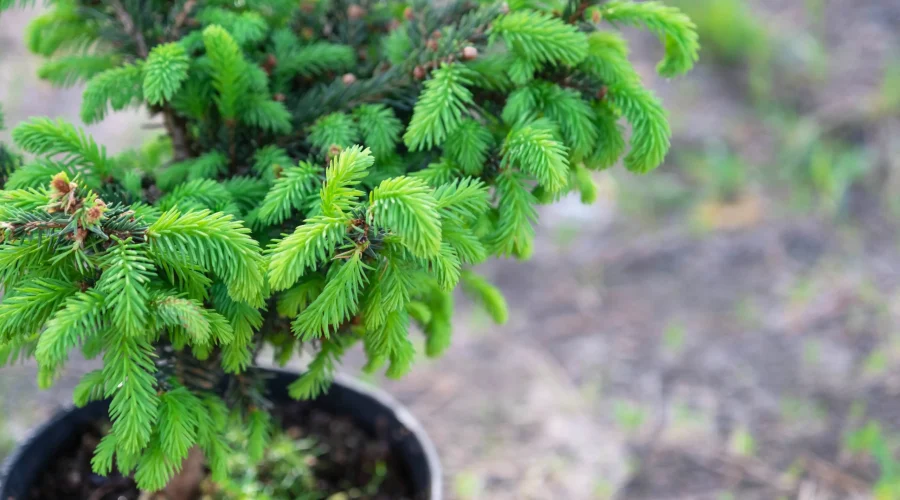
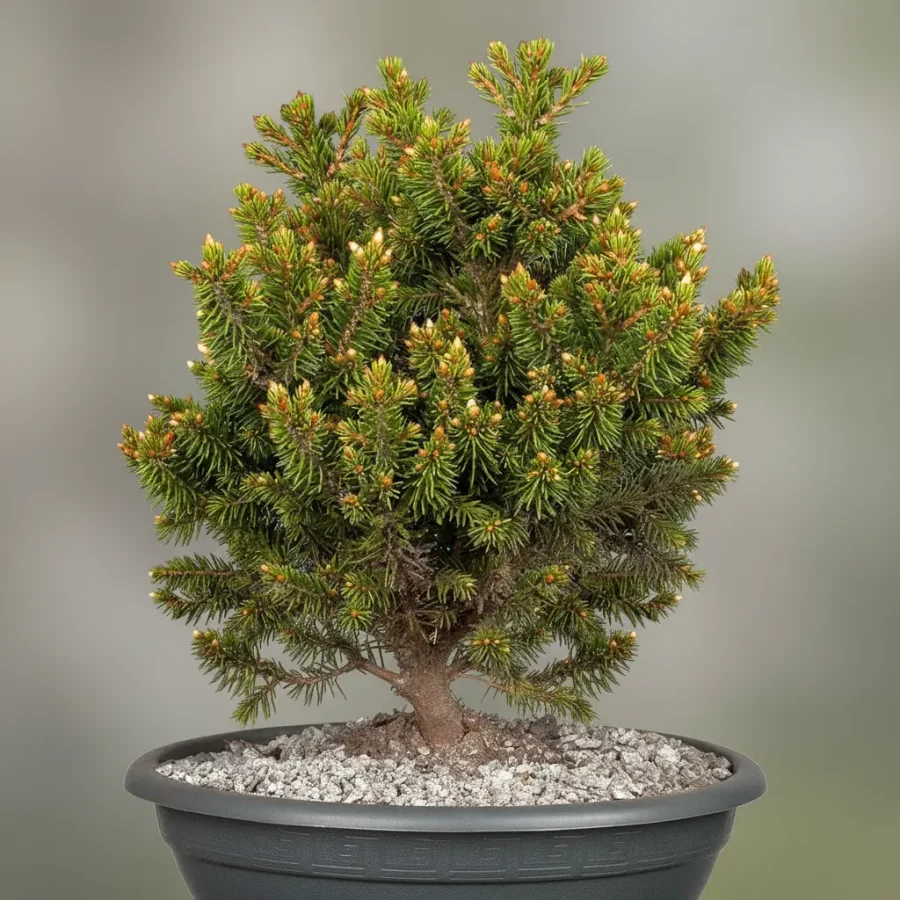
The Picea abies, commonly known as the Norway Spruce, is an elegant evergreen species cherished for its dense needle foliage and conical form. Its symmetrical silhouette and strong trunk give it a timeless presence, making it a popular choice among bonsai enthusiasts who admire natural landscapes in miniature.
The Norway Spruce combines beauty and endurance, it’s a patient grower that rewards steady care with lasting grace.
Picea Abies at a glance
Native to the cool mountain regions of Northern and Central Europe, the Picea abies thrives in fresh air, bright light, and moderate moisture. In nature, it forms vast alpine forests, adapting to cold winters and mild summers. As a bonsai, it maintains these same preferences: bright outdoor conditions, well-drained soil, and consistent seasonal rhythms.
This guide will walk you through every essential aspect of Picea abies bonsai care, from positioning and watering to pruning, wiring, and pest control. Whether you’re a beginner or an experienced grower, you’ll find valuable insights to help your tree thrive.
How often should I water my Picea Abies bonsai?
The Norway Spruce enjoys consistently moist soil but dislikes stagnation. Water thoroughly when the top layer of soil begins to dry, never allow it to dry out completely, yet avoid keeping it waterlogged. During the growing season (spring to early autumn), this often means watering once daily, or twice during very hot, windy weather.
In winter, when growth slows, reduce watering frequency but keep the soil slightly damp to protect the fine roots. Spruces also appreciate humidity, occasional misting helps maintain needle health, especially in dry or heated environments.
Personal Experience Insight: “I’ve found that my Picea abies handles occasional dry soil quite well, but keeping a consistent watering schedule reduces stress and improves overall health.”
How much light does my Picea Abies need?
Your Picea abies bonsai should receive at least six hours of sunlight each day. Full sun promotes dense needle growth, short internodes, and a strong trunk. Ideally, place your bonsai outdoors where it can enjoy morning and early afternoon sun. The light helps maintain vibrant colour and prevents the inner branches from thinning out.
In summer, when temperatures rise above 28 °C, it benefits from light afternoon shade to avoid excessive drying of the needles. A location with filtered sunlight, such as near a wall or under a mesh canopy. Creates the perfect balance between brightness and protection.
During spring and autumn, full sun exposure is ideal. These are the periods of most active growth and bud formation, and good light helps develop strong new shoots.
In winter, the Picea abies remains outdoors in a bright, airy spot. Even during dormancy, it appreciates light and fresh air. If temperatures drop below –10 °C, protect the roots by placing the pot on insulating material or covering it lightly with mulch. Never keep your spruce bonsai indoors for extended periods, artificial light and stagnant air weaken it quickly.
What's the best temperature for my Picea Abies?
The ideal temperature range for this species is between 5 °C and 25 °C (41 °F – 77 °F), a range that allows it to maintain dense needle growth, strong roots, and steady metabolism throughout the year. The Norway Spruce prefers stability over extremes; while it can tolerate short periods of frost or summer warmth, it grows best when temperature changes are gradual and the air remains fresh and humid.
During spring and autumn, mild days between 10 °C and 20 °C (50 °F – 68 °F) provide the perfect balance for growth and recovery. In these seasons, new buds form along the branches, and the tree hardens naturally before winter.
Summer requires more attention, the Picea abies can handle heat up to around 28–30 °C (82–86 °F), but prolonged exposure to dry, hot air can dehydrate the needles. Placing the bonsai where it receives morning sun and afternoon shade helps prevent leaf burn, while misting the foliage or using a humidity tray keeps the environment stable. The soil should remain evenly moist, never dry or waterlogged, especially during warm days.
In winter, the tree enters dormancy and benefits from exposure to cold air. It can withstand light frost down to –10 °C (14 °F) if its roots are protected, but should be sheltered from deep or prolonged freezing. An unheated greenhouse, balcony corner, or cold frame provides the ideal winter environment, bright, cold, and ventilated. Avoid bringing the spruce indoors, as warm, dry air disrupts its rest cycle and weakens future growth. Consistent airflow and humidity are just as crucial as temperature.
Fertilising your Picea Abies
Feed your spruce regularly but gently. Begin in early spring, once new buds start to swell, and continue until late summer. Use a balanced fertiliser every two weeks during active growth. Switch to a low-nitrogen formula in late summer to strengthen the roots before winter.
Organic pellets or slow-release fertilisers are ideal, as they provide steady nutrition without shocking the roots. Avoid feeding immediately after repotting or during the cold dormant period.
Personal Experience Insight: “Switching to a high-potassium fertilizer towards autumn has helped my Picea abies harden off for winter and improved back budding the following spring.”
Do I need to prune my Picea Abies?
Pruning spruce bonsai requires patience and precision. The Norway Spruce grows continuously through the warm season, so trimming can be done gradually rather than all at once.
Pinch or cut new shoots once they have extended, leaving a few pairs of needles to encourage dense back budding. Avoid cutting old wood directly. new shoots rarely emerge from bare sections. For major branch adjustments, structural pruning is best done in late winter, before active growth begins.
Wiring can be performed in late autumn or winter when growth is slower. The branches of Picea abies are flexible but can be brittle — bend carefully and check the wires frequently to avoid marks.
When to repot an Picea Abies?
Repot young spruces every 3–4 years, and mature specimens every 5–6 years. The best time is early spring, just before the buds start to open.
Use a well-draining mix such as 60% akadama, 20% pumice, and 20% lava rock. Avoid heavy organic soils. When repotting, prune about one-third of the root mass and remove older, thick roots to stimulate new fine roots.
After repotting, place the bonsai in partial shade for two to three weeks and keep the soil evenly moist. Avoid fertilising for a month to let the roots recover.
Common Problems
Needles turning brown or dropping may indicate overwatering or poor drainage. If the inner branches lose needles while the tips stay green, it’s often due to insufficient light.
Watch for spider mites and aphids, especially in warm, dry periods, misting the foliage regularly and using a gentle neem oil solution keeps them under control.
With proper care, Picea abies remains a durable and striking bonsai, embodying the calm strength of alpine forests through every season.
Written by Luca Valagussa
Founder and bonsai master of Treevaset
Formerly in finance, Luca turned his lifelong passion for bonsai into his profession to make bonsai art simple, inspiring, and accessible to everyone.