
Pinus Mugo Bonsai Care Guide (Mugo Pine)
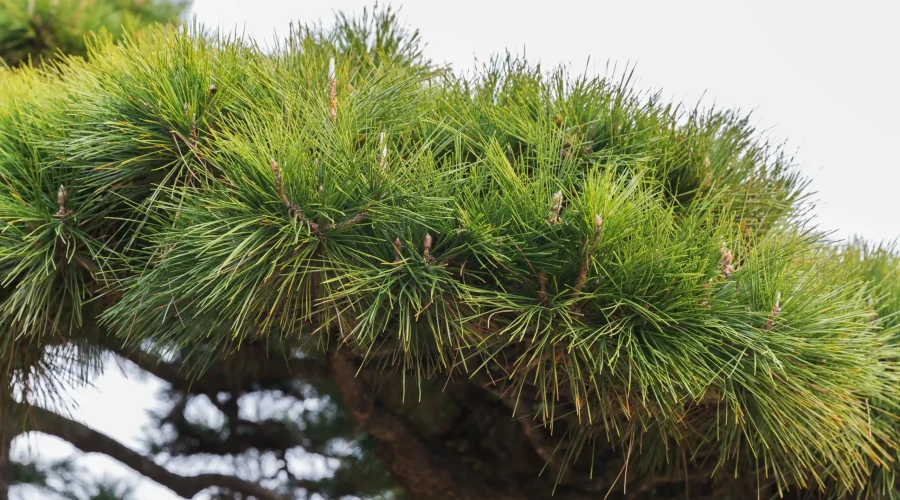
The Pinus mugo, or Mugo Pine, is a hardy, slow-growing conifer native to the mountainous regions of Central and Southern Europe. Known for its rugged bark, dense clusters of short needles, and strong alpine character, it embodies resilience and timeless beauty. As a bonsai, the Mugo Pine is admired for its ability to develop powerful movement, compact foliage, and a natural appearance reminiscent of wild, wind-shaped mountain pines.
Proper care is essential to maintain its strength, prevent common issues, and help the tree express its full potential in the bonsai pot.
Watch the Full Mugo Pine Bonsai Tutorial
Pinus mugo at a glance
Native to the Alps and Carpathians, the Mugo Pine is perfectly adapted to harsh mountain environments. It tolerates cold winters, bright sunlight, strong winds, and poor soil conditions. These natural traits make it one of the most forgiving species for outdoor bonsai cultivation.
Its naturally low, spreading habit allows for compact, powerful bonsai designs with rich movement and aged character.
Thinking about growing your own Mugo Pine from the very beginning?
Explore our hand-selected Pinus mugo Young Pre-Bonsai and start shaping your tree today.
How often should I water a Pinus mugo bonsai?
Watering a Pinus mugo bonsai is all about balance. This species prefers slightly moist soil but cannot tolerate soggy conditions. During the growing season (spring to early autumn), water thoroughly once the top layer feels dry. In warm or windy weather, this may mean watering every one to two days, especially for trees in small pots that dry out quickly.
In cooler months, reduce watering as growth slows. During winter dormancy, keep the soil just slightly moist to protect the fine roots. Always water until liquid drains from the bottom of the pot. Consistent, even watering promotes strong root development, compact needles, and healthy colour.
How much light does a Pinus mugo need?
Mugo Pines thrive in full sun and should receive at least six hours of direct light per day during the growing season. This bright exposure encourages short needles, strong budding, and dense foliage.
Place your bonsai outdoors in an open, sunny location with excellent airflow. In very hot climates, provide light afternoon shade to prevent excessive drying, and protect the pot from overheating by shading or wrapping it.
In winter, the tree remains outdoors in a bright, sheltered spot. The Mugo Pine benefits from cold temperatures during dormancy, which keeps its seasonal rhythm healthy.
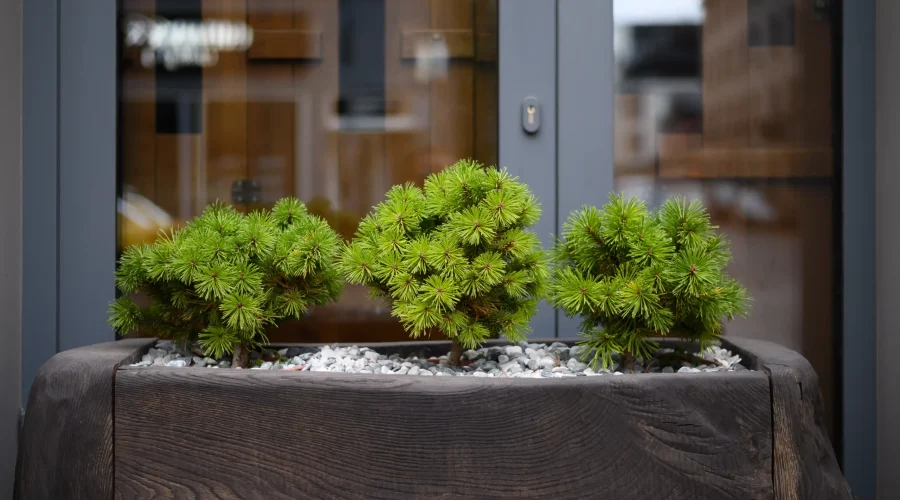
What's the best temperature for my Pinus mugo?
The Pinus mugo grows best between –5 °C and 25 °C (23 °F – 77 °F). It can tolerate summer heat up to around 30 °C (86 °F) as long as the soil does not dry out completely and the roots stay cool.
During winter, it easily withstands frost and snow, the danger lies in the roots freezing solid. If temperatures drop below –10 °C (14 °F) for extended periods, protect the pot with mulch or place the tree in a cold frame or unheated greenhouse.
Avoid overwintering indoors, as warmth disrupts dormancy and weakens the tree.
Fertilising your Pinus mugo
The Mugo Pine responds well to controlled, consistent feeding. Begin fertilising in early spring when new candles start extending, and apply an organic or balanced fertiliser every two to three weeks.
Stop fertilising once new shoots harden. Overfeeding or extended fertilising into late summer can cause overly long needles and weak growth. Controlled feeding promotes compact foliage, strong wood, and balanced energy distribution.
Pruning and wiring
Pruning a Mugo Pine requires patience. In spring, pinch new candles by hand to control length and encourage even growth across the canopy. Structural pruning is best done in early spring or late autumn, outside periods of active growth.
Wiring is ideally performed from late summer to early autumn, when branches are flexible but stable. Check wires regularly, as the bark can scar easily. For major bends, use guy wires, which reduce stress and minimise the risk of cracks or breaks.
Remove older needles in late summer to improve light penetration and airflow.
When should I repot a Pinus mugo?
Mugo Pines are unique: they prefer repotting in late summer, not spring. This timing aligns with their natural root growth cycle and significantly reduces stress.
Younger trees require repotting every three years. Older or mature trees may go five years or more between repottings. When repotting:
prune thick roots lightly
preserve as many fine feeder roots as possible
never reduce foliage at the same time
use a fast-draining mix of akadama, pumice, and lava rock (1:1:1)
After repotting, keep the tree in partial shade for one to two weeks until it resumes normal activity.
Common Problems
Mugo Pines are resilient but vulnerable to:
overwatering
root rot
insufficient sunlight
spider mites
pine aphids
needle blight
Strong airflow, proper watering, bright sun, and well-draining soil are the best preventive measures.
With balanced care, the Pinus mugo becomes one of the most rewarding alpine conifers in bonsai, compact, powerful, and full of natural character.

Written by Luca Valagussa
Founder and bonsai master of Treevaset
Formerly in finance, Luca turned his lifelong passion for bonsai into his profession to make bonsai art simple, inspiring, and accessible to everyone.