
How To Care for an Ulmus Minor
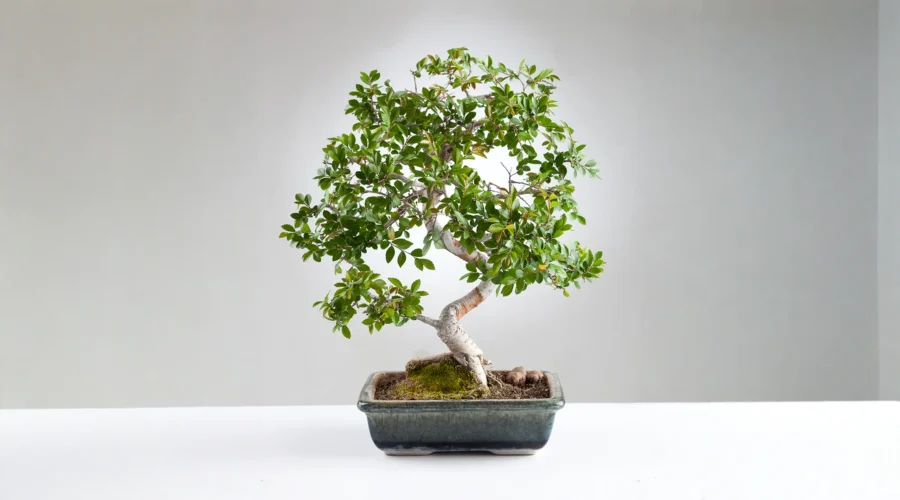
The Ulmus minor, or Field Elm, is a graceful deciduous tree cherished for its small serrated leaves, elegant ramification, and deeply textured bark that gains character with age. Native to Europe and Western Asia, it embodies resilience and adaptability, qualities that make it one of the most rewarding species for bonsai cultivation.
Its ability to recover quickly from pruning and tolerate a wide range of climates has made the Field Elm a timeless favourite among enthusiasts of all levels, but also one of the more delicate bonsai trees, the Field Elm can handle aggressive pruning and frequent repotting, making it ideal for shaping.
Watch the Full Ulmus Minor Bonsai Tutorial
Ulmus Minor at a glance
The Field Elm thrives outdoors and appreciates the change of seasons. It enjoys full sun to partial shade and develops denser foliage and finer branching when grown in bright light. In very hot regions, some afternoon shade helps prevent leaf scorch.
During winter dormancy, it withstands frost and even light freezing, but protection from harsh winds or prolonged frost is recommended for trees in shallow pots. Its rapid growth allows for easy shaping, and the species naturally develops an elegant, compact form with strong branching patterns.
Thinking about growing your own Ulmus Minor from the very beginning?
Explore our hand-selected Ulmus Minor Young Pre-Bonsai and start shaping your tree today.
How often should I water my Ulmus Minor bonsai?
This species loves moisture but hates stagnation, so the goal is to keep the soil evenly moist at all times, without ever letting it dry out completely or become waterlogged. During the growing season, from spring through early autumn, check your bonsai daily and water thoroughly whenever the top layer of soil begins to feel slightly dry. In hot weather or windy conditions, you may need to water once a day, especially if your tree is in a small or shallow pot that dries quickly.
In autumn, as growth slows and the leaves start to change colour, reduce the frequency of watering gradually. During winter dormancy, the Field Elm requires much less water, just enough to keep the root ball lightly moist. Completely dry soil can damage fine feeder roots, while too much water in cold weather can lead to root rot.
Always water slowly and evenly until you see a gentle flow from the bottom of the pot, ensuring the entire root system receives moisture.
How much light does my Ulmus Minor need?
The Ulmus minor, or Field Elm bonsai, thrives in bright light and full sun. Ideally, it should receive at least six hours of direct sunlight per day throughout the growing season. Exposure to abundant natural light encourages compact growth, smaller leaves, and dense branching, all essential traits for developing fine ramification and a balanced bonsai silhouette.
Place your Field Elm outdoors in an open, airy location where it can enjoy morning and midday sun. In regions with very hot summers, providing light afternoon shade helps protect the delicate leaves from scorch, especially for newly repotted or young trees. Proper airflow is also key — fresh air prevents fungal issues and keeps the foliage vibrant.
During winter dormancy, the Ulmus minor prefers cool conditions with plenty of indirect light. It can stay outdoors as long as temperatures remain above freezing, but when frost becomes severe, move it to a sheltered, bright spot such as a cold frame, unheated greenhouse, or protected balcony. Avoid placing it indoors, as indoor light is too weak and the dry air disrupts its natural rest cycle.
What's the best temperature for my Ulmus Minor?
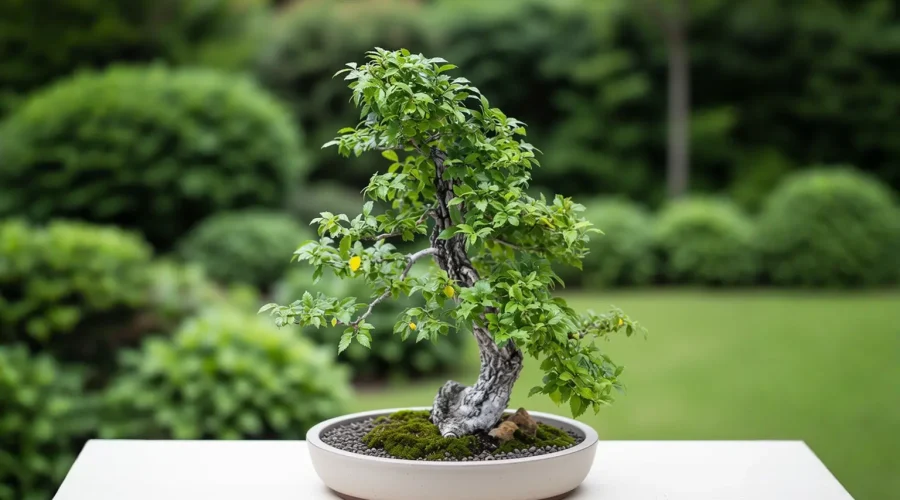
Its ideal temperature range lies between 10 °C and 25 °C (50 °F – 77 °F), though it can tolerate brief extremes on either side thanks to its hardy nature. This adaptability is one of the reasons why the Field Elm is so popular, it handles both warm summers and cool winters with ease when given proper care.
During spring and autumn, moderate temperatures create perfect growing conditions. In these seasons, the tree produces new shoots, small serrated leaves, and fine ramification. Warm days and cool nights help strengthen its roots and enhance leaf colour. In summer, the Ulmus minor tolerates heat well but benefits from occasional shade during the hottest part of the day, especially if temperatures exceed 30 °C (86 °F). Keep the soil moist and ensure good airflow to prevent leaf scorch or dehydration.
In winter, the Field Elm enters dormancy. It can withstand frost and light freezes, but protection is important when temperatures fall below –5 °C (23 °F). Place the bonsai in a sheltered outdoor location, such as a cold frame, balcony corner, or unheated greenhouse. Avoid keeping it indoors, as warmth and dry air interfere with dormancy and can weaken the tree.
Fertilising your Ulmus Minor
The Field Elm is a vigorous grower and appreciates regular feeding. Apply a balanced organic fertiliser every two weeks during the growing season, from early spring until late summer. You may switch to a lower-nitrogen formula in early autumn to strengthen roots and prepare the tree for winter.
Avoid fertilising during the dormant period. Consistent nutrition supports strong back-budding and fine ramification, essential for achieving the refined branch structure that defines a mature Ulmus minor.
Do I need to prune my Ulmus Minor?
This species responds exceptionally well to pruning. During the growing season, allow new shoots to extend to five or six leaves, then cut back to two or three to encourage compact, dense foliage. Structural pruning and heavier shaping are best performed in late winter, before new buds open.
Wiring can be applied almost any time of year, but check regularly to avoid wire marks on the bark, which can thicken quickly during active growth. The Field Elm’s flexibility makes it ideal for both formal and informal bonsai styles.
When to repot an Ulmus Minor?
Repot young Ulmus minor bonsai every two years and older specimens every three to four years, ideally in early spring before buds open. Use a well-draining soil mix such as akadama, pumice, and lava rock in equal parts. Avoid overly compact soils that retain excess water. When repotting, prune thick roots moderately and keep plenty of fine feeder roots to ensure healthy regrowth. After repotting, place the tree in partial shade for two to three weeks to allow recovery.
Common Problems
The Field Elm is generally very resistant but can occasionally attract aphids, spider mites, or scale insects during warm months. Check the undersides of leaves regularly and treat early with neem oil or insecticidal soap if needed. Yellowing leaves often indicate overwatering or poor drainage, while slow growth may suggest lack of nutrients or light.
With proper care, balanced watering, full sunlight, and steady pruning, the Ulmus minor develops into a refined bonsai of remarkable grace and endurance, embodying the perfect harmony between strength and delicacy.
Written by Luca Valagussa
Founder and bonsai master of Treevaset
Formerly in finance, Luca turned his lifelong passion for bonsai into his profession to make bonsai art simple, inspiring, and accessible to everyone.