
How To Care for an Chaenomeles Japonica
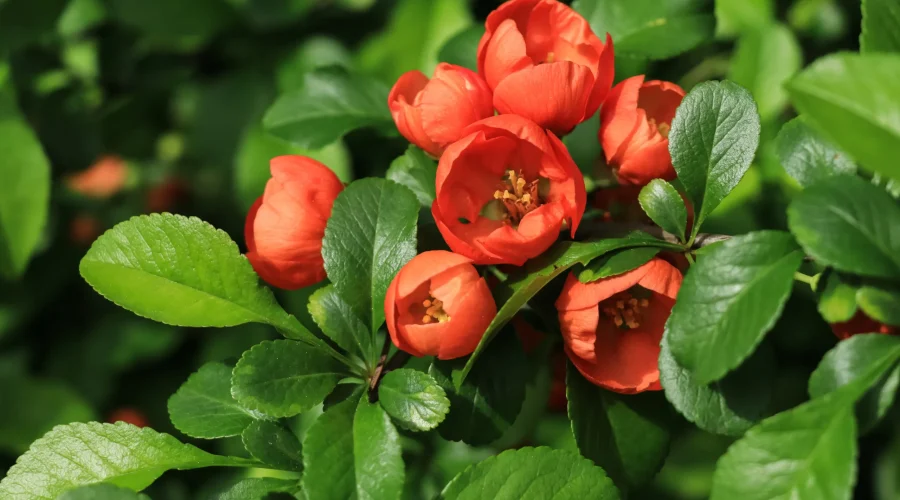
The Chaenomeles japonica, or Japanese Flowering Quince, is a symbol of vitality and early spring. Known for its vibrant red, pink, or white blossoms that appear before the leaves, it adds a touch of colour and optimism to any bonsai collection. Compact, resilient, and full of character, this species is an excellent choice for beginners and experienced bonsai enthusiasts alike.
Watch the Full Chaenomeles Japonica Bonsai Tutorial
Chaenomeles Japonica at a glance
Chaenomeles japonica originates from Japan and thrives in temperate climates with distinct seasons. It’s a deciduous shrub species that adapts beautifully to bonsai cultivation. Loved for its flowers and small decorative fruits, it performs best outdoors in bright light with good air circulation.
In this guide, I’ll cover everything you need to know about growing and maintaining a healthy Chaenomeles Japonica bonsai. This is not just a generic care guide, I’ll integrate my first-hand experience, providing advanced tips and avoiding common mistakes.
Thinking about growing your own Chaenomeles Japonica from the very beginning?
Explore our hand-selected Pinus mugo Young Pre-Bonsai and start shaping your tree today.
How often should I water my Chaenomeles bonsai?
The Chaenomeles enjoys soil that is consistently moist but never waterlogged. In spring and summer, check your bonsai every day, the top layer of soil should start to feel slightly dry before you water again. When in doubt, use your fingertips: if the surface feels dry, it’s time to water. Always water thoroughly until you see a little excess draining from the bottom of the pot; this ensures that all the roots receive hydration.
During spring, the tree uses more water to support new shoots and blossoms, so you may need to water once or even twice a day in warm weather. In summer, higher temperatures and increased evaporation also demand frequent attention. In contrast, autumn and winter require much less water, the tree slows its growth and enters dormancy, meaning the soil should stay slightly damp but never soggy.
How much light does my Chaenomeles Japonica need?
The ideal light condition for a Chaenomeles japonica bonsai is full sun for most of the day, ideally six or more hours of direct sunlight. A bright outdoor location — such as a terrace, balcony, or garden spot with open exposure — is perfect. Sunlight not only encourages healthy leaves but also plays a vital role in forming flower buds for the next season.
In very hot climates, where temperatures regularly exceed 30 °C (86 °F), a bit of protection from harsh midday sun can help prevent leaf burn and premature drying of the soil. A light shade net or positioning the tree where it receives morning sun and afternoon shade often works best.
During winter, when the bonsai is dormant, it can remain outdoors in a bright, sheltered spot. Natural light is still beneficial even though the tree has shed its leaves — it helps regulate its biological rhythm and prepares it for the next flowering season.
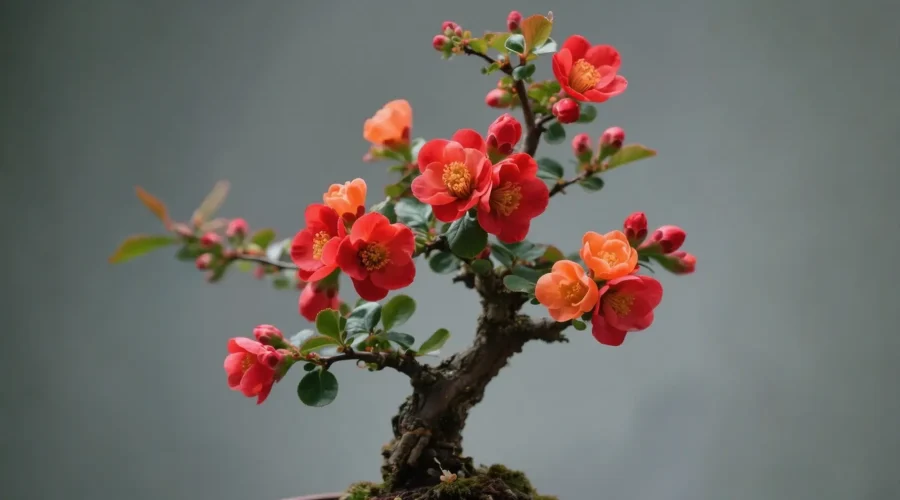
What's the best temperature for my Chaenomeles Japonica?
The optimal temperature range for a Chaenomeles japonica bonsai is between 10 °C and 25 °C (50 °F – 77 °F). Within this range, the tree can grow steadily and produce abundant blossoms without stress. It tolerates short periods of heat or cold, but extremes on either side can weaken the plant over time.
During spring and autumn, temperatures between 12 °C and 20 °C (54 °F – 68 °F) provide the perfect conditions for growth and flower development. These seasons are when your bonsai shows its best colours and vitality.
In summer, the Japanese Quince can handle warmer days up to about 30 °C (86 °F), but avoid exposing it to scorching midday sun or dry, hot wind. A bit of afternoon shade will protect the leaves and flowers from dehydration.
In winter, your bonsai benefits from a period of rest in cool conditions. It can tolerate light frost and temperatures just below 0 °C (32 °F) for short durations, but it’s best to protect it from prolonged freezing. Moving it to a sheltered location — such as an unheated greenhouse, cold frame, or garage — keeps it safe while still allowing it to experience the chill it needs to reset for spring.
Fertilising your Chaenomeles Japonica
Feed your bonsai regularly during the growing season to maintain its energy for flowering. Start in early spring, just before buds open, using a balanced fertiliser every two weeks. After flowering, continue feeding to support fruit formation and new shoot growth.
Stop fertilising by mid autumn to allow the plant to harden before winter. Organic fertilisers or liquid feeds diluted in water both work well, avoid high-nitrogen formulas, as they can reduce flower production.
Personal Tip: I switch to a low-nitrogen, high-potassium fertilizer in late summer, which significantly boosts my bonsai’s flowering performance the following season.
Do I need to prune my Chaenomeles Japonica?
Pruning your Chaenomeles japonica requires a balance between structure and bloom. Flower buds form on short shoots from the previous year’s growth, so pruning immediately after flowering is ideal. Remove long, unneeded shoots but keep branches that have flowered, they will produce buds again next season.
Winter pruning can be done for structural corrections, but avoid heavy cutting before spring to preserve flowering potential. Use sharp, clean bonsai scissors to prevent tearing or infection.
Personal Tip: I always mark flowering branches in late spring to avoid cutting them by mistake in summer pruning.
When to repot an Chaenomeles Japonica?
Repotting should be done every two to three years ,the best time to repot a Chaenomeles Japonica bonsai is in early spring, just before the buds start to open. At this moment, the tree is still dormant but about to awaken, which helps it recover quickly from the repotting process. Repotting too late, once leaves or flowers have appeared, can stress the tree and interrupt its blooming cycle.
When you repot, carefully remove the tree from its container and gently loosen the roots. Trim away thick or tangled ones, keeping the fine feeder roots that will support new growth. Use a well-draining bonsai soil mix, ideally a blend of akadama, pumice, and a small portion of organic matter to retain moisture. Avoid heavy garden soil, as it can suffocate the roots.
- Well-draining soil mix: akadama, pumice, and a small portion of organic matter like fine bark or composted soil to retain moisture.
Trim thick or circling roots and keep fine feeder roots healthy. After repotting, water well and place the tree in partial shade for two weeks to help it recover.
Common Problems
If your Chaenomeles japonica fails to flower, it’s usually due to insufficient sunlight or over-pruning. Aphids can appear on young shoots in spring, don’t panic, a gentle spray of water or neem oil usually keeps them under control.
Yellowing leaves often signal poor drainage or excessive fertilisation. Maintaining balance in light, moisture, and feeding will keep your bonsai strong and blooming each year.

Written by Luca Valagussa
Founder and bonsai master of Treevaset
Formerly in finance, Luca turned his lifelong passion for bonsai into his profession to make bonsai art simple, inspiring, and accessible to everyone.