Home › Bonsai Essentials › Bonsai for Beginners
Bonsai for Beginners
You don’t need talent, rare trees or ten years of patience to start bonsai. You need a healthy young tree, the right pot, and a handful of decisions made in the right order. These guides cover exactly that — written for your first tree, in plain language, by the nursery that grows them.
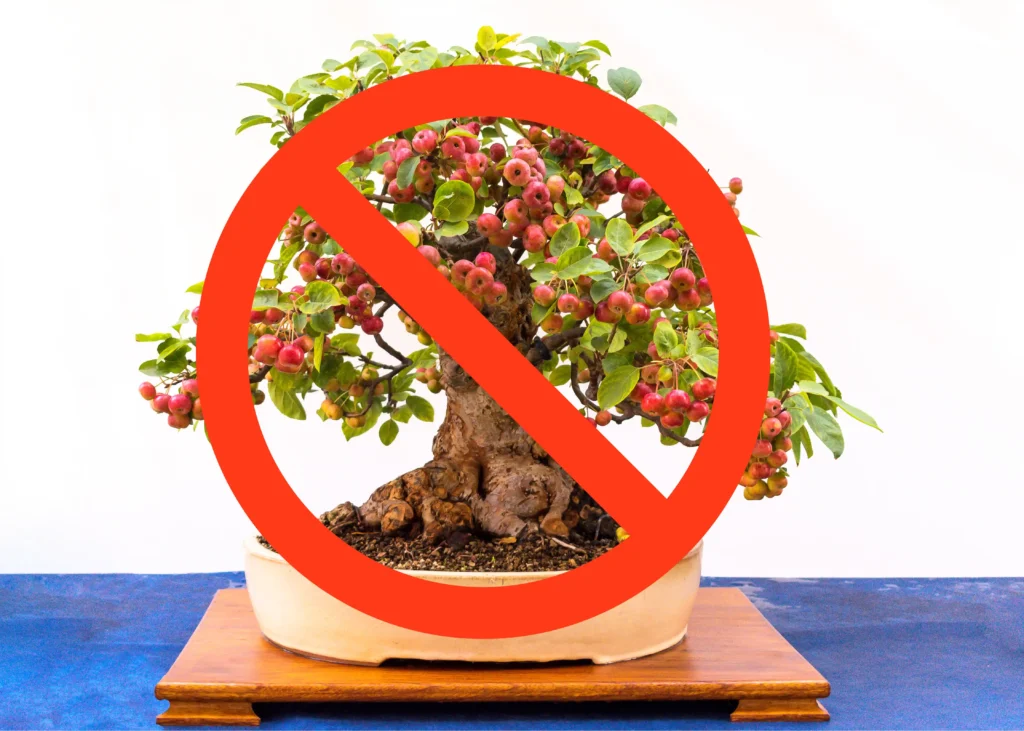
5 Trees You Should Never Try to Bonsai (and What to Grow Instead)
The fastest way to give up on bonsai is starting with the wrong species. These five look tempting in a garden centre and fail on a windowsill — and the ones that will actually forgive your first mistakes.
Your first decisions
Once you have the right species, two things decide how your first year goes: how you repot it, and the first structural choices — where the trunk ends and where the first branch begins. Neither needs experience. Both are easier to get right the first time than to fix later.
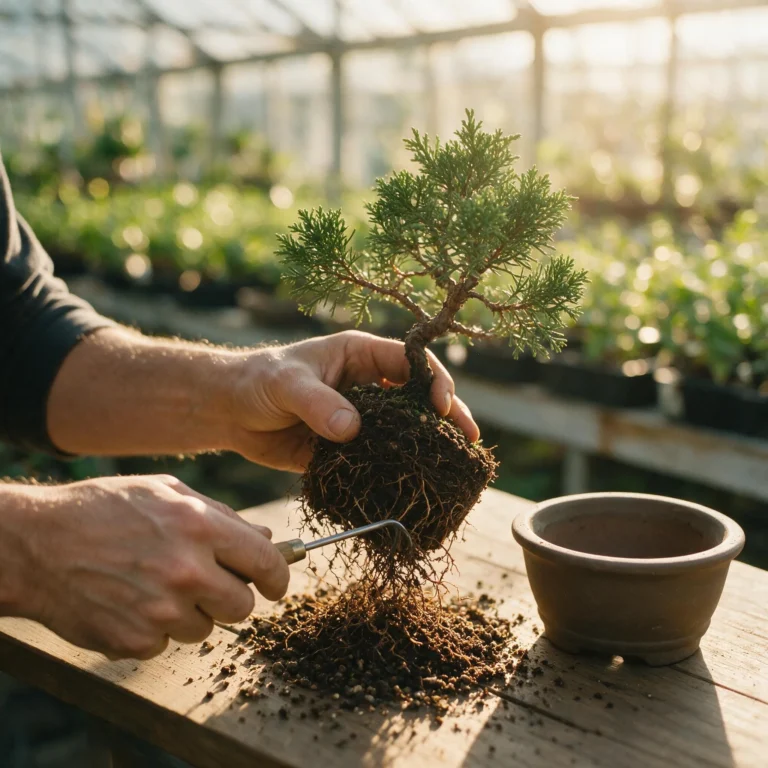
How to Repot Your Bonsai
When to repot, how much root you can safely remove, and the aftercare that decides whether the tree bounces back.
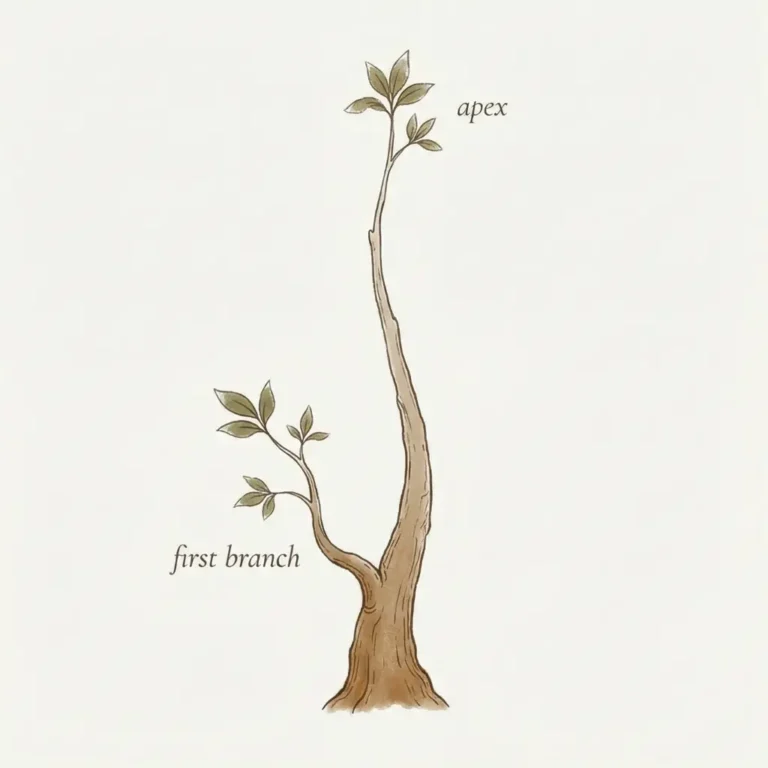
Apex and First Branch, Explained Simply
The two decisions that define a bonsai’s silhouette — simple enough to make on your very first tree.
Skip the guesswork
Our Starter Kits put everything in one box: a field-grown tree that forgives beginner mistakes, the right pot and soil, tools, and step-by-step instructions from Luca’s nursery.
Already have a tree and not sure what it needs?
Book a 1-to-1 with Luca and get answers specific to your tree — no question too basic.