Not every tree is meant to become a bonsai.
It’s true that technically any tree can be trained, but some species will fight you every step of the way. They grow wrong, don’t branch properly, refuse to reduce their leaves, or simply collapse under bonsai techniques.
To save you time, frustration, and a few dead trees, here are the five worst trees to bonsai, and more importantly, the perfect alternatives you’ll enjoy working with instead.
Enjoying this tutorial? Subscribe to our YouTube channel for weekly bonsai content →
Why Some Trees Shouldn’t Be Bonsai
Bonsai is about working with the tree’s natural biology, not against it.
When a species naturally has:
- huge leaves
- no branching points
- extremely brittle wood
- long internodes
- giant flowers or fruits
It becomes nearly impossible to create a balanced, realistic miniature tree.
Choosing the right species is the secret to a rewarding bonsai journey.
Let’s break down the five species to avoid.
1. Palm Trees
Palm trees look exotic, tropical, and beautiful, but they are among the worst candidates for bonsai.
Why they fail
- They have only one terminal bud
- If you cut the top → the tree dies
- Zero ramification
- No taper
- No ability to form a tree-like structure
You can’t shape them, wire them, or develop branches.
Once the top is gone, it’s literally game over.
Better alternative: Ficus species
If you want indoor-friendly, tropical vibes, ficus bonsai are:
- Forgiving
- Easy to shape
- Perfect for beginners
- Great indoors
Try Ficus Microcarpa, Ficus Retusa, or Ficus Benjamina.
2. Horse Chestnut (Aesculus hippocastanum)
Why they fail
- Enormous leaves
- Difficult or impossible to reduce
- Poor back-budding
- Long internodes
- Always looks out of proportion
Unless you have a massive, old trunk in a very large bonsai style, you end up with a small trunk + giant comical leaves.
Better alternative: Trident Maple (Acer buergerianum)
Trident maples offer:
- excellent leaf reduction
- strong ramification
- fast healing
- beautiful color
- perfect proportions
Ideal for beginners and experienced growers.
3. Eucalyptus
Why they fail
They smell amazing and grow extremely fast, but…
- leaves stay massive
- branches are very brittle
- wiring often snaps them
- tree sheds constantly
- grows tall and straight, not branched
They simply don’t respond to bonsai styling.
Better alternatives
Choose species with beautiful bark and manageable leaves:
- Chaenomeles japonica (Japanese Quince)
- Cercis siliquastrum
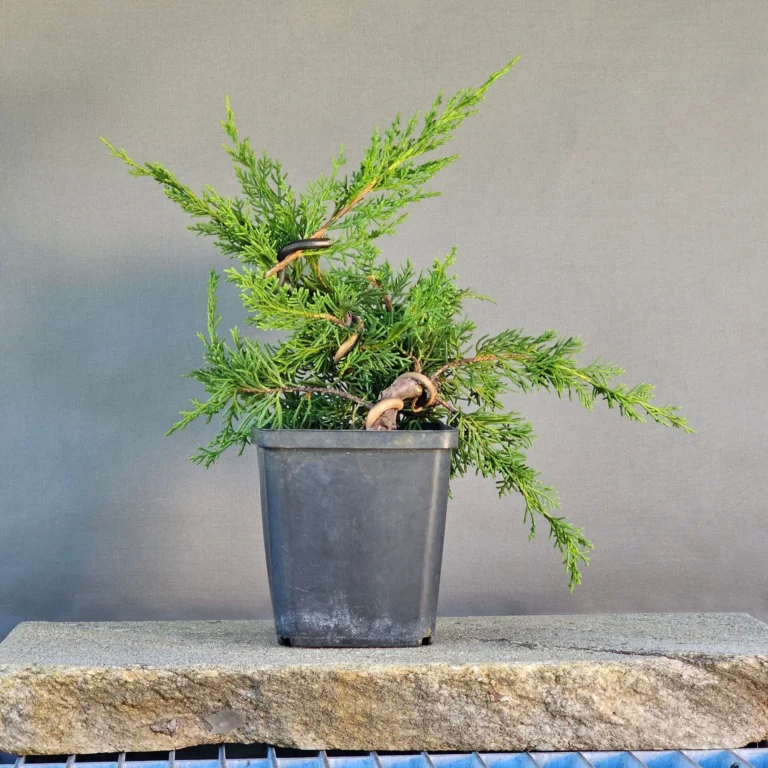
- Chinese Juniper (Juniperus chinensis)
Smaller leaves + better branching + real bonsai structure.
4. Silver Maple & Sugar Maple
Why they fail
Not all maples are bonsai-friendly. These ones in particular have:
- large floppy leaves
- long internodes
- poor fine ramification
- extremely fast growth but very coarse branching
Even with constant pruning, you never get delicate branches.
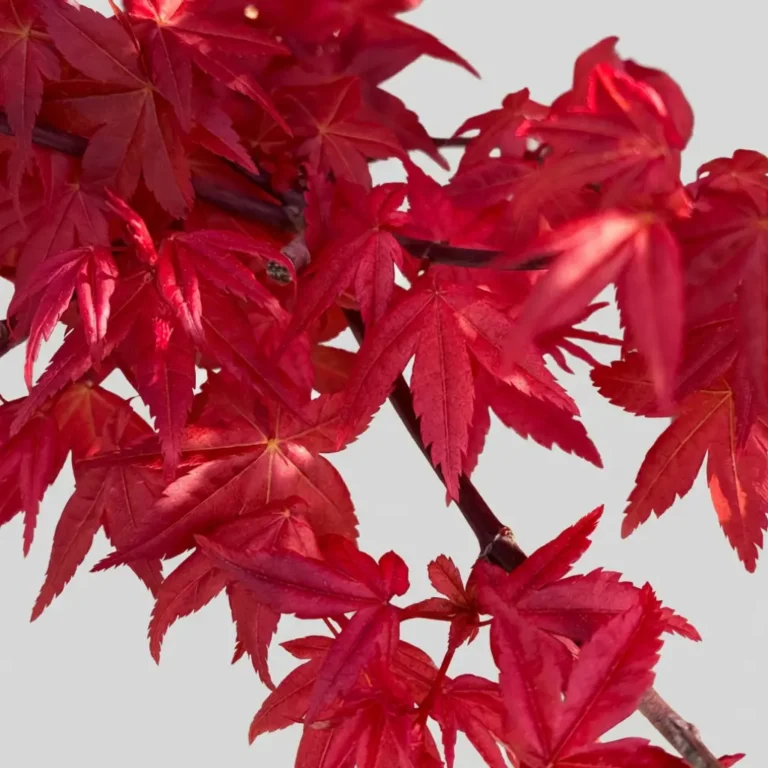
Better alternative: Japanese Maple (Acer palmatum)
There’s a reason this species is a bonsai legend:
- small leaves
- great color
- compact internodes
- predictable growth
- tons of cultivars
A must-have for any bonsai enthusiast.
5. Big Fruit Trees (Apple, Pear, Peach)
Why they fail
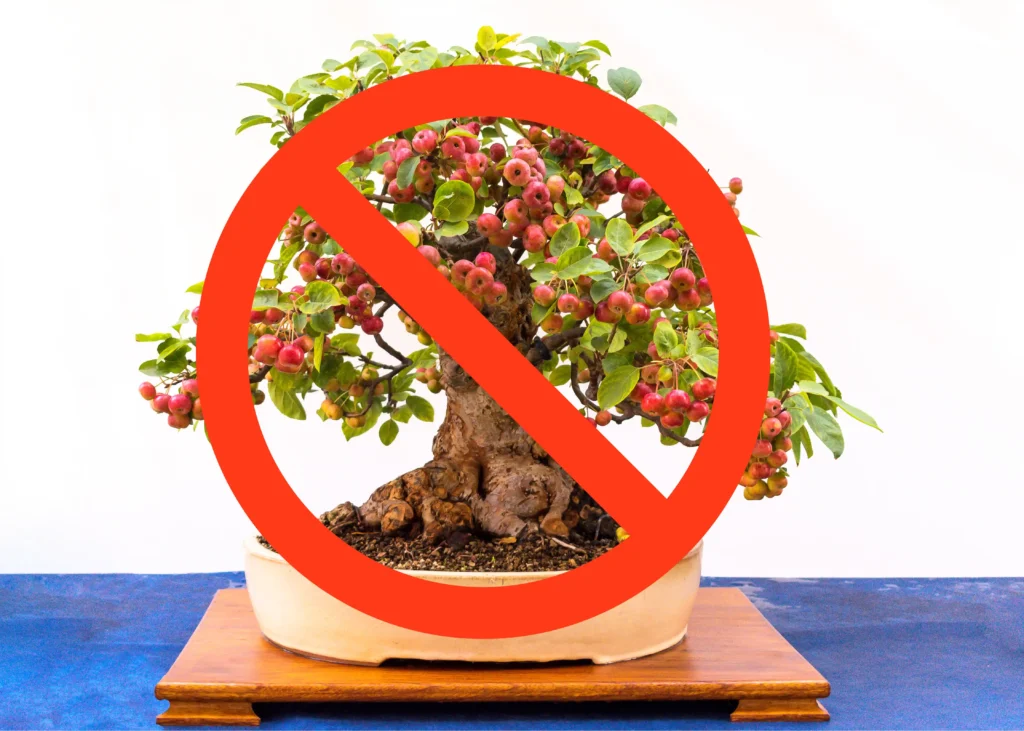
Yes, they’re beautiful…but the fruits are enormous.
You spend years building an elegant tree only for it to grow:
A giant apple the size of the entire canopy. Instantly ruins scale and realism.
They also struggle with:
- coarse branching
- disease
- unpredictable back-budding
Better alternatives
Choose species that produce naturally small, bonsai-friendly fruit:
- Crab apple (Malus)
- Cherry species (Prunus)
- Hawthorn (Crataegus)
These still give you flowers and fruit—just in the right scale.
Can Any Tree Become a Bonsai?
Technically yes. But that doesn’t mean you should.
Bonsai is about choosing a species that wants to work with you.
Pick a tree that:
- buds easily
- reduces leaf size
- back-buds well
- tolerates pruning
- responds to wiring
And your learning curve becomes 10× faster and 10× more fun.
Anyone can play bonsai… with the right species. Every alternative on this list is a species you can find as a young pre-bonsai — already selected for the traits that make bonsai enjoyable.
Start with a Species That Wants to Work with You
If you want the simplest possible start, our Ready to Play Kit pairs a beginner-friendly tree from our nursery with a handmade pot and everything you need for the first steps.
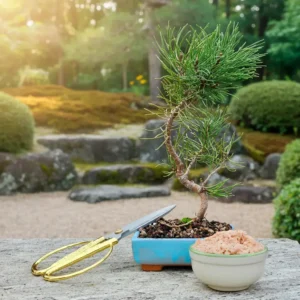
Ready to Play Bonsai Starter Kit
49 €
In stockKnowing which trees to avoid is half the purchase; the other half is recognising good raw material when you see it. For that side of the decision, read what a pre-bonsai is and how to choose your first tree.
Looking for the opposite, a species that forgives beginners? Start with a hardy outdoor conifer: our guide to juniper bonsai explains why it is the classic first tree.