
How To Care for an Acer Buergerianum
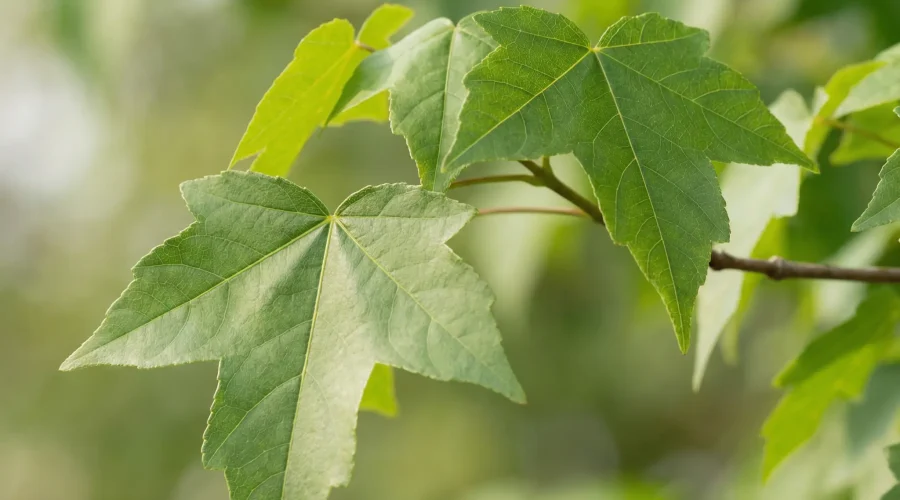
The Acer buergerianum, known as the Trident Maple, is one of the most beloved deciduous bonsai species. Famous for its strong roots, smooth bark, and leaves that turn vibrant shades of orange and red in autumn, this species combines beauty with resilience. It’s the perfect choice for anyone who enjoys shaping bonsai with character and structure, while still appreciating the gentle seasonal rhythm of nature.
However, while Trident Maples are generally hardy, they require specific care routines to reach their full potential. This guide will cover watering, fertilization, pruning, repotting, wiring, and pest prevention, in resume, all key aspects to maintaining a healthy Acer Buergerianum.
Watch the Complete Acer Buergerianum Bonsai Care
In this step-by-step video guide, you’ll learn how to water, prune, and repot your Trident Maple correctly, keeping it healthy and beautifully shaped all year long.
Whether you’re a beginner or already experienced with bonsai, this tutorial gives you clear, practical tips to understand your tree’s rhythm and help it thrive naturally.
Acer Buergerianum at a glance
Native to China, Korea, and Japan, the Trident Maple thrives in warm temperate climates and is widely used in Japanese bonsai culture for its forgiving nature and elegant appearance. It grows faster than Acer palmatum and develops a powerful nebari, the visible root flare that adds age and strength to the tree’s look.
Thinking about growing your own Acer Buergerianum from the very beginning?
Explore our hand-selected Acer Buergerianum Young Pre-Bonsai and start shaping your tree today.
How often should I water my Acer Buergerianum bonsai?
During the growing season, from early spring to late summer, your Trident Maple will need daily watering, sometimes even twice a day in hot weather. The frequency depends on several factors: temperature, humidity, soil composition, and pot size. The best indicator is the soil itself, once the top layer feels slightly dry to the touch, it’s time to water again.
When watering, always do it thoroughly until water flows from the bottom of the pot. This ensures that the entire root system receives moisture and that excess salts are flushed away. Avoid shallow watering, as it encourages roots to stay near the surface instead of growing deep and strong.
In autumn, as the tree prepares for dormancy, gradually reduce watering frequency. The cooler air and slower growth mean the soil stays moist longer. During winter, keep the soil just slightly damp, enough to prevent the roots from drying out, but not so wet that it becomes stagnant. A light watering every few days is usually sufficient, depending on the environment.
How much light does my Acer Buergerianum need?
Your Trident Maple bonsai should receive at least six hours of direct sunlight each day during the growing season. Full sun encourages vigorous branching, strong roots, and dense foliage. In regions with mild temperatures, placing the bonsai in full sun from morning to evening is ideal.
However, in hot climates, where summer temperatures exceed 30 °C (86 °F), some protection during the hottest part of the day is beneficial. A spot with morning sun and light afternoon shade prevents leaf burn and keeps the tree’s moisture levels balanced. If you notice the edges of the leaves turning brown, it may be a sign of excessive heat or low humidity — simply move the bonsai to a slightly shadier position.
During spring and autumn, the sun’s intensity is perfect for healthy photosynthesis and for developing the tree’s signature red-orange hues. In winter, when the tree is dormant and leafless, it can remain outdoors in a bright but sheltered spot. Even without leaves, exposure to natural light helps regulate its biological rhythm and supports a strong start in spring.
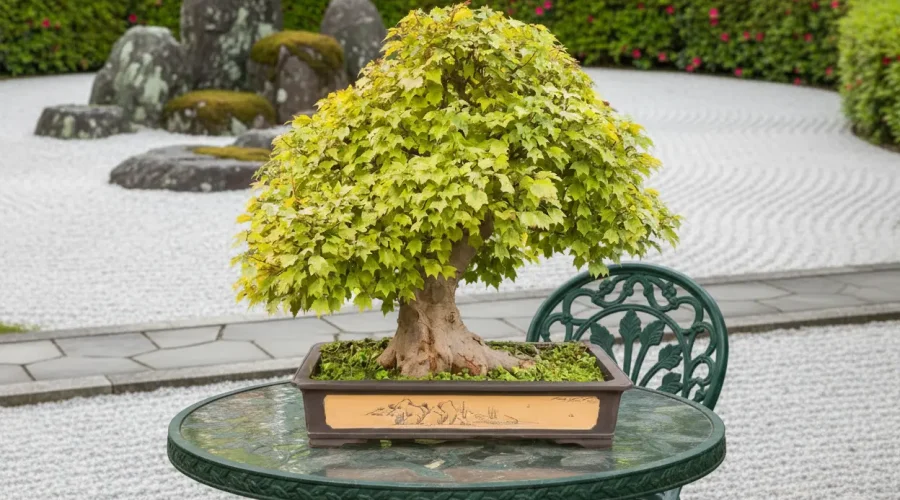
What's the best temperature for my Acer Buergerianum?
The ideal temperature range for an Acer buergerianum bonsai is 10 °C to 30 °C (50 °F – 86 °F). Within this range, the tree develops healthy roots, vibrant leaves, and controlled internodal growth. It appreciates the warmth of summer but also needs a cool winter dormancy to reset and regain energy for the next growing cycle.
During spring and autumn, moderate temperatures between 15 °C and 25 °C (59 °F – 77 °F) provide perfect conditions for strong root activity and brilliant leaf colouration. These seasons are when your Trident Maple displays its full charm, shifting gradually from bright green to deep orange and red.
In summer, the tree can comfortably handle heat up to 30 °C (86 °F), but protection from extreme midday sun is beneficial in hotter climates. A few hours of afternoon shade will prevent leaf burn and help the soil maintain even moisture. If you notice the leaf tips turning brown, it’s usually a sign that the combination of heat and low humidity is too strong — simply move the bonsai to a slightly shadier spot or mist the foliage lightly in the morning.
In winter, the Trident Maple needs a cool resting period. It can tolerate brief frosts down to about –5 °C (23 °F), but avoid exposing it to prolonged freezing. A sheltered place like an unheated greenhouse, garage, or cold frame is ideal. The goal is to let it rest in cold air without the danger of frozen roots.
Fertilising your Acer Buergerianum
The Trident Maple is a vigorous feeder and appreciates regular nutrition. Start fertilising in early spring, right after buds open, and continue until late summer. A balanced fertiliser (e.g., NPK 10-10-10) works well. In early autumn, switch to a low-nitrogen fertiliser to strengthen the roots and prepare the tree for dormancy.
Consistent, moderate feeding encourages steady growth without producing oversized leaves. Both organic pellets and diluted liquid fertilisers are suitable options.
If you want to encourage finer ramification, use lower nitrogen formulations throughout the year to keep internodes shorter.
Do I need to prune my Acer Buergerianum?
Pruning is one of the most enjoyable aspects of cultivating a Trident Maple. During the growing season, trim new shoots back to one or two leaves once they’ve developed four to six. This helps maintain a refined silhouette and encourages fine ramification.
Structural pruning is best done in late winter before buds open. The wood of Acer buergerianum heals quickly, which makes it ideal for carving or creating natural-looking cuts. Wiring can be done in both spring and autumn, but check regularly, the branches thicken fast, and wires can leave marks.
When to repot an Acer Buergerianum?
Repotting should be done every two to three years for young trees and every four to five years for mature ones.
The best time is late winter or early spring, right before new growth begins.
Use a well-draining soil mix, such as akadama and pumice in equal parts. The Trident Maple appreciates oxygen around its roots, so avoid compact soil. When repotting, trim thicker roots to promote a fine, fibrous root system, this is key for good nebari development.
After repotting, protect the bonsai from strong sun and wind for two weeks.
Common Problems
Brown leaf edges usually mean the soil has dried out too much or the tree has been exposed to hot, dry wind. Pale leaves can indicate nutrient deficiency, while weak growth often comes from root congestion.
Check for pests like aphids in early spring; a gentle rinse or neem oil treatment usually keeps them away. The Acer buergerianum is a resilient species, and most issues resolve quickly with proper care.
Written by Luca Valagussa
Founder and bonsai master of Treevaset
Formerly in finance, Luca turned his lifelong passion for bonsai into his profession to make bonsai art simple, inspiring, and accessible to everyone.