
Bonsai Structural Development Fundamentals
Bonsai structural development is not the result of decorative styling, it is the consequence of structural decisions made early and executed with consistency over time. Before working with refined material or Acer palmatum cultivars, it is essential to understand the foundational principles that determine long-term tree evolution: apex logic, branch hierarchy, trunk direction, root balance, and species suitability. Serious bonsai work begins long before refinement. It begins with understanding how growth behaves, how dominance is established, and how early structural choices influence everything that follows.
Core Principles of Bonsai Structural Development
Every bonsai is shaped by a limited number of structural decisions that define its future trajectory.
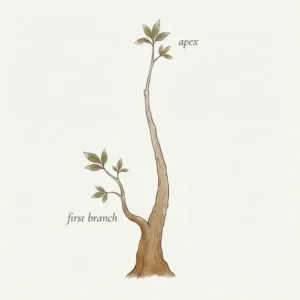
- Apex positioning determines visual hierarchy and controls apical dominance, a fundamental botanical principle that governs vertical growth behaviour.
- Primary branch placement establishes balance and movement.
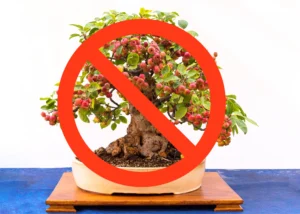
- Species selection limits or expands development potential depending on internode behaviour and growth response.
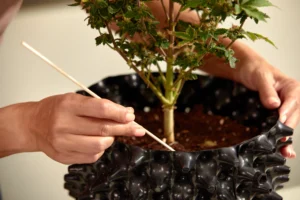
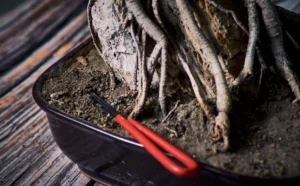
- Pot choice and repotting timing directly influence root development and energy distribution.
Understanding these principles transforms bonsai from surface styling into structured development.
Structural Design Principles
These topics address irreversible structural choices that define the long-term architecture of a tree.
Technical Development & Maintenance
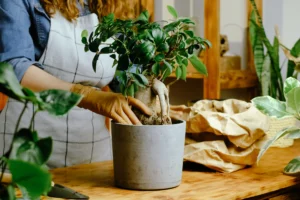
Once structure is defined, technical management becomes essential to control growth, balance, and root dynamics.
Applying Structural Principles to Cultivar Development
Once the foundations of bonsai structural development are understood, development decisions become precise rather than experimental. These principles are particularly relevant when working with Acer palmatum cultivars and structured Young Pre-Bonsai material, where early structural choices define long-term potential. Explore curated material selected for serious development.