
Buy Bonsai Pot: The Ultimate Guide to Choosing the Perfect Home for Your Bonsai
Introduction: Why the Right Bonsai Pot Matters?
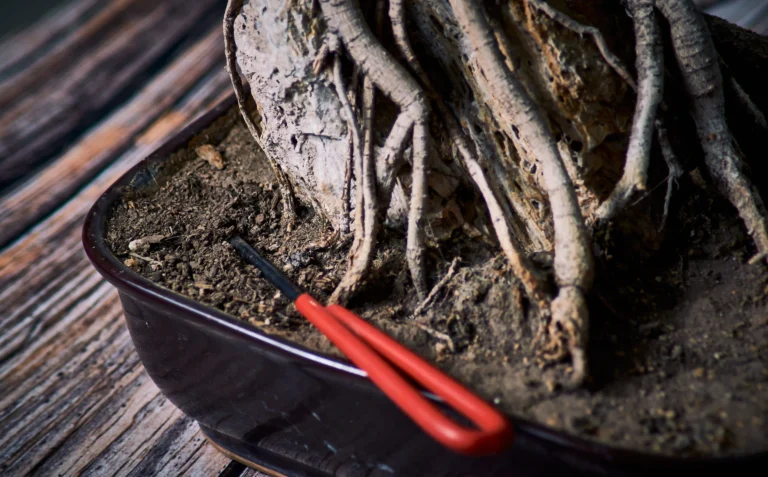
Everyone knows that the word bonsai essentially means growing a tree in a pot. But not just any pot! The right bonsai pot is crucial because it influences not only the tree’s aesthetics but also its health, stability, and longevity. A well-chosen pot enhances the beauty of the bonsai, complements its shape, and even affects how the tree develops over time.
But what makes a bonsai pot special? How is it different from a regular flower pot? Why do experienced bonsai growers pay so much attention to materials, shapes, and colors? In this guide, we will dive deep into everything you need to know before you buy a bonsai pot, helping you choose the best option for your miniature tree.
Types of Bonsai Pots: Shapes, Sizes, and Styles
There are countless bonsai pot shapes, but they generally fall into three main categories:
- Round pots – Often used for more delicate, feminine, and curved trees with soft movements. These shapes emphasize elegance and fluidity.
- Rectangular pots – A perfect match for strong, powerful, and masculine bonsai trees that convey stability and authority.
- Oval pots – A balanced choice, suitable for many different bonsai styles, offering both grace and strength.
Each shape complements a particular bonsai style. Just like clothing enhances a person’s personality, a bonsai pot should harmonize with the tree’s natural aesthetics. A rugged, twisted juniper looks stunning in a solid, robust pot, while a delicate maple needs something more refined and elegant.
Beyond shape, size is also important. A bonsai pot should be large enough to provide stability but not so large that it overwhelms the tree. The goal is balance: the pot should frame the tree rather than steal attention from it.
Material Matters: Stoneware vs. Earthenware
Not All Clay Is the Same
When you buy a bonsai pot, one of the biggest differences from a standard flower pot is the material. High-quality bonsai pots are made from stoneware, not earthenware.
What does this mean?
✔️ Stoneware pots are fired at much higher temperatures, leading to a semi-vitrification process that makes them stronger, more durable, and frost-resistant. This is crucial because when temperatures drop below zero, water inside the clay pores expands, potentially cracking a low-quality pot.
✔️ Earthenware pots (like the red clay ones used for flowers) are cheaper but much more fragile. Over time, especially in freezing conditions, they tend to crack and break.
If you want your bonsai to last for years without needing a replacement pot, stoneware is the way to go.
Color and Texture: Finding the Perfect Match
A bonsai pot is more than just a container—it’s an artistic frame. The color and texture of the pot should complement the tree’s bark, leaves, and overall character.
Contrast vs. Harmony
There are two main ways to match pot colors to bonsai trees:
- Harmony – The pot color mirrors the tree’s natural tones. For example, a bonsai with silvery-green foliage (like an olive tree) looks great in a grayish-green pot.
- Contrast – The pot color creates a striking visual difference. A tree with red flowers (like a cherry blossom) pops beautifully in a green pot, since green is red’s complementary color.
Glazed vs. Unglazed
- Unglazed pots have a natural, raw texture and are often used for conifers and evergreens. Their earthy, rugged look blends well with trees that have rough bark.
- Glazed pots have a smooth, glossy finish and are commonly used for deciduous trees like maples and flowering bonsai. Their vibrant colors highlight the tree’s beauty and seasonal changes.
The choice of texture adds another layer of artistic balance. A rough-barked tree in a rugged pot enhances a natural, aged look, while a refined, smooth-barked tree in a glossy pot creates a sophisticated elegance.
Bonsai Pots and Bonsai Styles: The Ideal Combinations
Pairing the right bonsai pot with the right tree is an art. Here are some common pairings used by experienced growers:
🌿 Delicate, feminine trees (e.g., maple, flowering cherry) → Round or oval pots with smooth lines and softer colors (white, blue, light green).
🌲 Powerful, masculine trees (e.g., pine, juniper, oak) → Rectangular or square pots with sharp corners and deep colors (brown, dark blue, dark green).
🍁 Seasonal color-changing trees (e.g., Acer palmatum, Trident Maple) → Glazed pots that highlight their vibrant autumn colors.
🏞️ Ancient, rugged trees (e.g., Yamadori bonsai with deadwood features) → Unglazed, textured pots that enhance the sense of age and resilience.
The relationship between the bonsai and its pot is like a dancer and their stage—the pot should elevate the tree’s character without overshadowing it.
Where to Buy the Best Bonsai Pots?
If you’re ready to buy a bonsai pot, where should you look?
Online Stores vs. Local Shops
🛒 Online Shops
✔️ Wider selection – Access to international brands and unique styles.
✔️ Convenience – Shop from home and compare prices easily.
✔️ Detailed specifications – Many online stores provide exact dimensions and materials.
🏬 Local Bonsai Nurseries
✔️ See the pot in person – No surprises with size, color, or quality.
✔️ Get expert advice – Bonsai specialists can guide your choice.
✔️ Immediate purchase – No waiting for shipping.
Click here to explore our collection and find the perfect home for your bonsai!
Why Buy Your Bonsai Pot From Us?
✅ Wide selection – We offer a variety of ceramic bonsai pots in different shapes, sizes, and colors to perfectly match your tree.
✅ Premium quality – Our pots are made from high-fired stoneware, ensuring durability and frost resistance.
✅ Expertly curated – Each pot is hand-selected to meet the needs of serious bonsai enthusiasts.
✅ Fast shipping & secure packaging – We ensure that your bonsai pot arrives in perfect condition.
Conclusion: Your Bonsai Deserves the Perfect Home
A bonsai is not just a tree—it’s a living work of art, and its pot is an essential part of that masterpiece. Choosing the right shape, size, material, color, and texture can elevate your bonsai’s beauty and ensure its long-term health.
If you’re investing time and effort into growing a bonsai, make sure it has the right home. Whether you prefer a traditional Japanese handmade pot or a modern ceramic design, finding the perfect match will bring harmony and balance to your tree.
Now that you know everything about buying a bonsai pot, it’s time to find the perfect one for your miniature masterpiece! 🌱✨