
Thread Grafting in Bonsai: How to Create a Branch Exactly Where You Want It
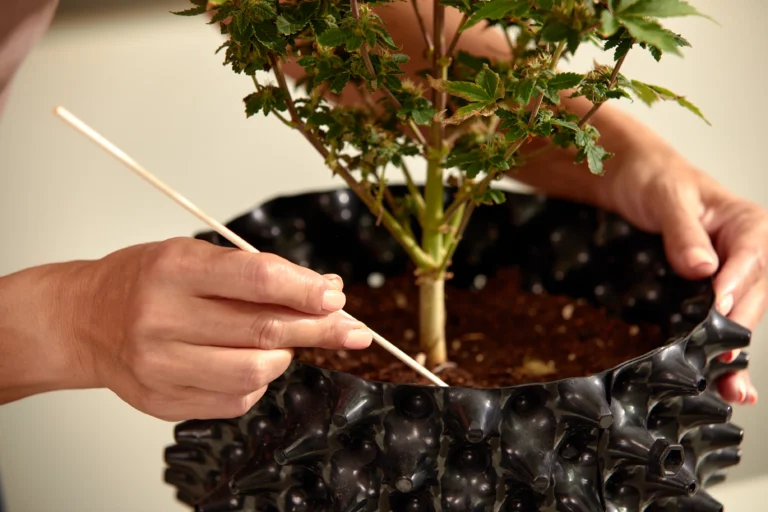
When a bonsai refuses to grow a branch in the position you need, there is a reliable and elegant solution used by professionals: thread grafting.
This technique allows you to create a branch exactly where the design requires it, even in species that do not back-bud easily.
In this guide, Luca demonstrates how thread grafting works, how to know when the graft has taken, and when it is safe to cut the original branch.
What Is Thread Grafting?
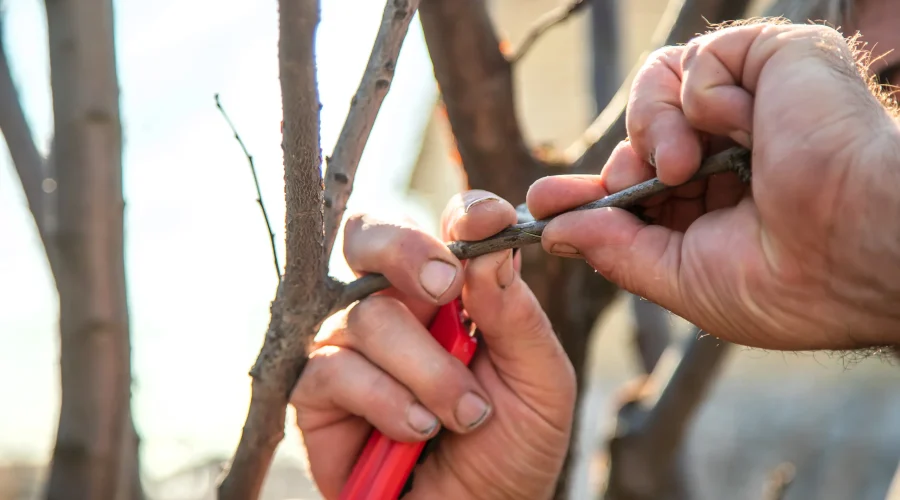
Thread grafting is a bonsai technique in which an existing branch is passed through a hole drilled in the trunk so that it can emerge on the other side, exactly where a new branch is needed.
The concept is simple
You “thread” a young branch straight through the trunk so that it grows out of the desired side. Over time, the cambium layers of the branch and trunk fuse, creating a completely natural-looking new branch exactly where the design requires it.
It is one of the most reliable grafting methods because the branch remains attached and fed by the original tree while the graft heals.
Thinking About Building a Bonsai from Scratch?
Starting with young material gives you the freedom to design your tree’s entire structure.
How Thread Grafting Works Step-by-Step
1. Select a Young, Flexible Branch
The branch must be long enough to pass through the trunk and still grow outward on the opposite side.
Flexible growth is easier to thread without damage.
2. Drill a Clean Hole Through the Trunk
The hole must be slightly wider than the branch so the cambium is not scraped off.
The goal: allow the branch to pass through smoothly without friction.
3. Insert the Branch Through the Hole
The branch is pushed through the trunk so that it emerges on the opposite side.
Luca shows this clearly: the branch enters from the back and exits exactly where a new branch is needed.
4. Let It Grow and Thicken
As the branch grows, something important happens
The trunk thickens, gradually tightening around the branch until the cambium layers of both parts merge.
At this point, the inserted branch becomes fully integrated into the trunk — not held by pressure, but biologically fused.
How Do You Know When the Graft Has Taken?
Luca explains the key indicator:
When the branch becomes thicker than its original base, the sap is no longer returning through the entry point. It is already connected to the trunk on the exit side.
This means:
- The graft is feeding through the trunk
- The original portion of the branch is no longer essential
- The connection is established and stable
When this happens, it is safe to remove the original part.
When to Cut the Original Branch
Once the grafted branch is fully fused, you can cut off the portion that fed it originally.
What you are left with. A perfectly positioned, completely natural-looking branch that appears to have grown there from the beginning.
No scars, no unnatural angles, no forced appearance. Just a clean, well-placed branch.
Why Thread Grafting Is So Effective
Thread grafting works extremely well on species that do not back-bud reliably, such as:
- Apple
- Pine
- Juniper
- Hornbeam
- Many fruit trees
It gives you complete control over branch placement and allows you to build an ideal bonsai structure even when the tree does not cooperate naturally.
For advanced styling or correcting design flaws, this technique is indispensable.
Watch the Full Video of How to Repot Your Bonsai - Bonsai Repotting: 5 Proven Tips
Thinking About Building a Bonsai from Scratch?
Starting with young material gives you the freedom to design your tree’s entire structure.
Written by Luca Valagussa
Founder and bonsai master of Treevaset
Formerly in finance, Luca turned his lifelong passion for bonsai into his profession to make bonsai art simple, inspiring, and accessible to everyone.