
Home › Bonsai Essentials › Bonsai Techniques
Bonsai Techniques
You have trees. Now comes the work that turns them into bonsai: pruning, grafting, air layering, building structure season after season. Every technique here is documented on real material in Luca’s nursery — what was done, why, and what happened next.
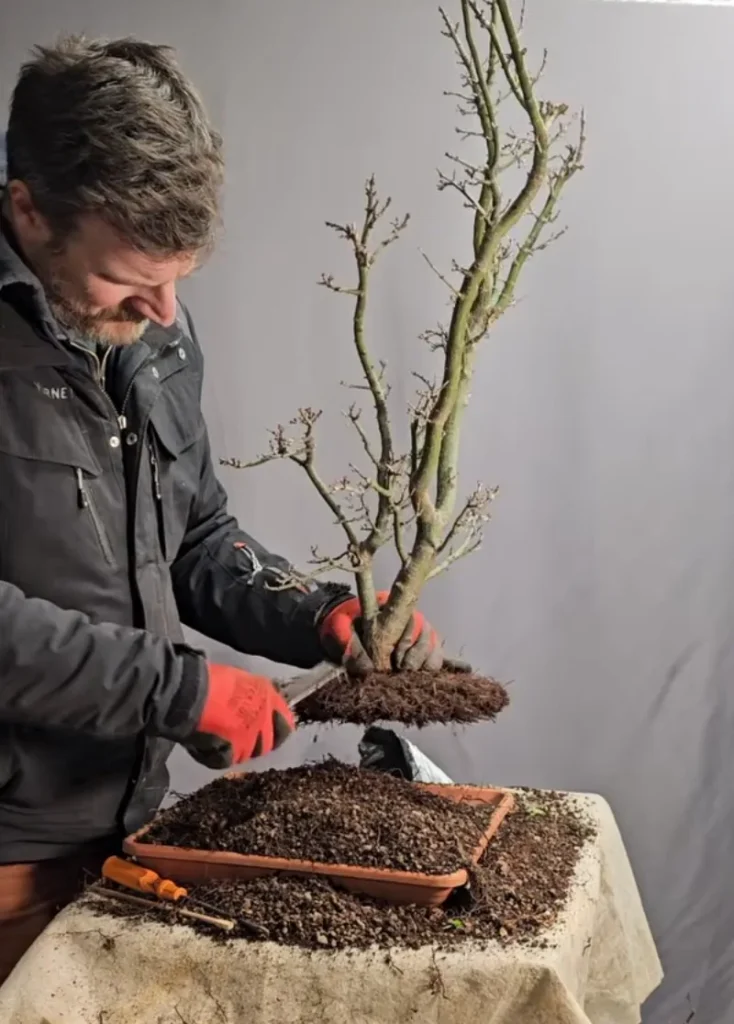
Acer Palmatum Shishigashira: 19 Years of Development
From a year-long air layer to nebari work and sokan styling — nearly two decades of decisions on one tree, and what each one taught us.
Pruning & Ramification
Pruning is where most bonsai are made — and where most are ruined. These guides cover when to prune, how hard to cut back, and how to use summer pruning and selective defoliation to build fine ramification, with the timing and species-specific responses that decide the outcome.
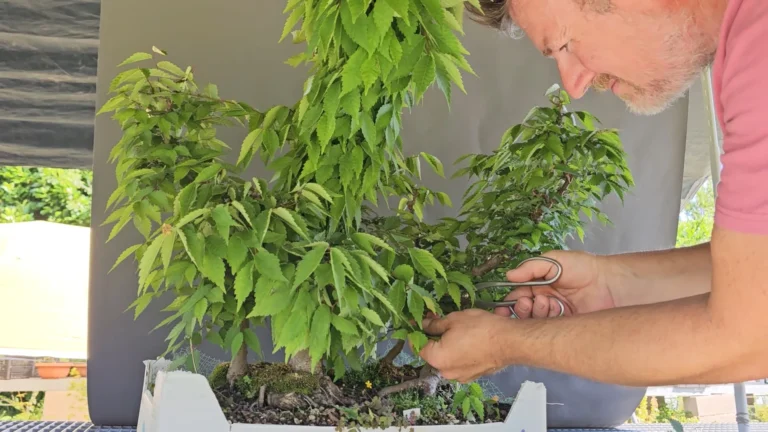
Zelkova Forest: Summer Pruning and Defoliation for Fine Ramification
Branch selection, leaf-size pruning and selective defoliation on a six-trunk Zelkova serrata forest.
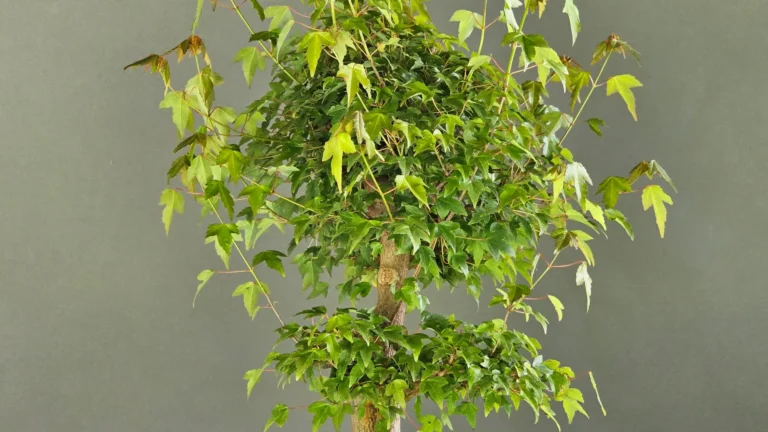
Trident Maple: Summer Pruning and Nebari Recovery
The two-leaf rule, back-bud strategy — and the wire mistake that cost a full growing season.
Grafting & Air Layering
Grafting and air layering let you place branches and roots exactly where the design needs them, instead of waiting years for luck. On developed material they become design tools: a branch thread-grafted into a bare inner section, or radial nebari built in a single season.
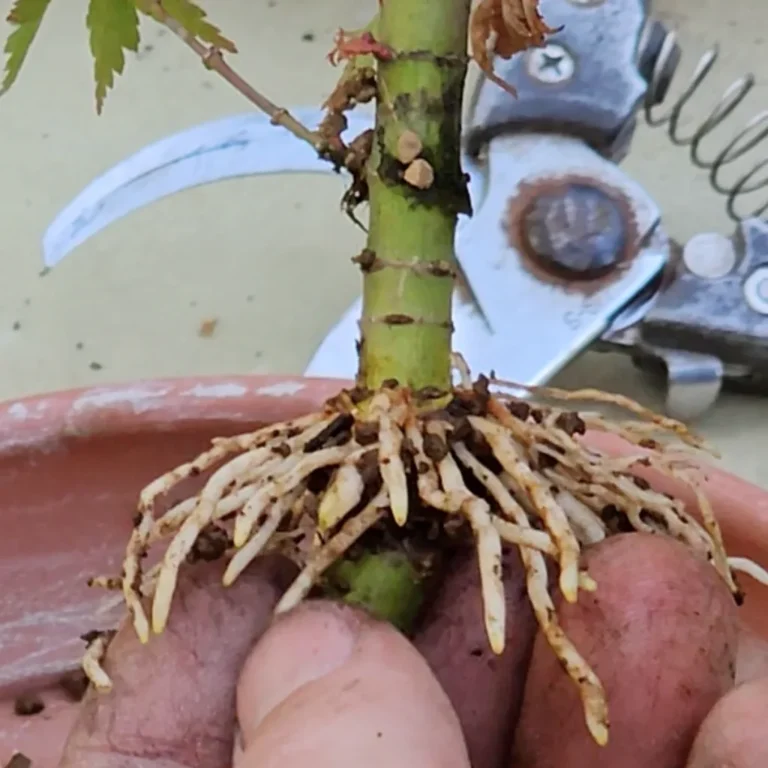
Air Layering: How to Build Perfect Nebari from Day One
Radial nebari from day one — the cut, the substrate, and how to separate and pot the layer.
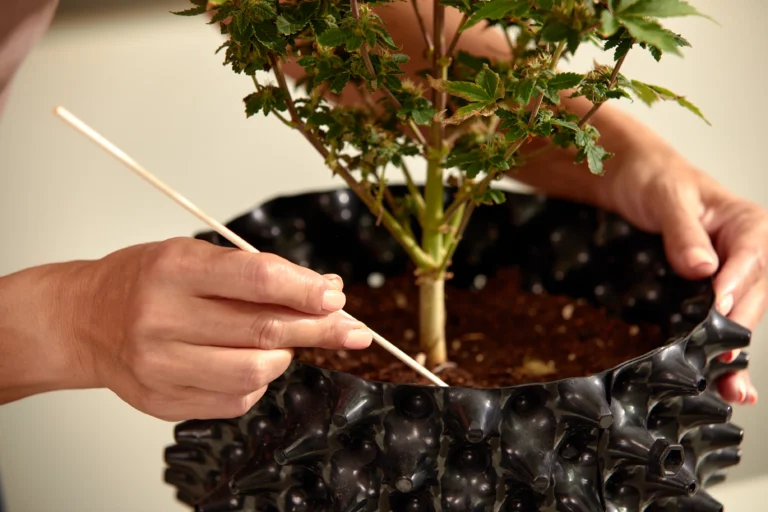
Thread Grafting: How to Create a Branch Exactly Where You Want It
How the graft fuses, when to cut the original branch, and where this precision technique makes sense.
Roots & Nebari
The part of the tree nobody sees until it matters. How to build a radial root base from the seedling stage, how much root a tree can really lose, and what a repotting session reveals when the nebari has hidden flaws.
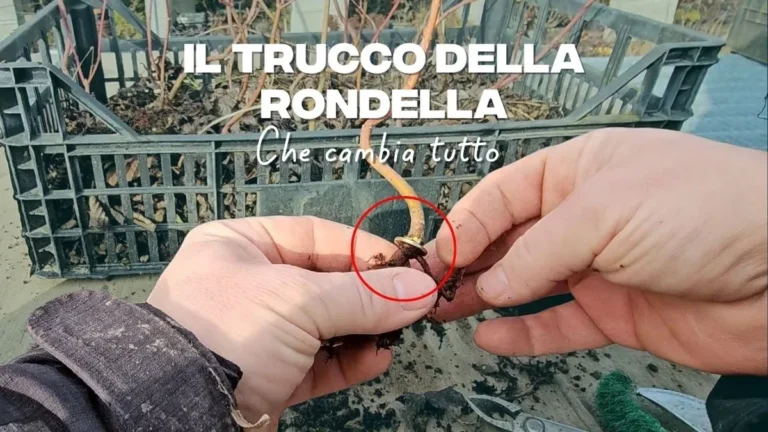
Bonsai Nebari: How to Build Radial Roots from Day One
The washer trick on seedlings and the incision method for thicker trunks — radial roots by construction, not by luck.
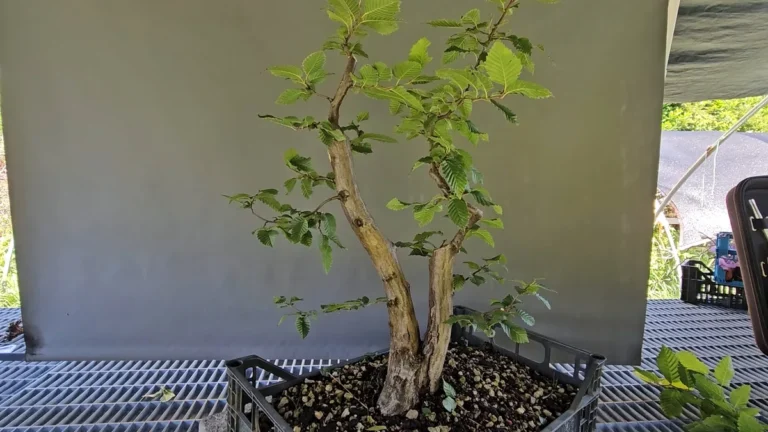
Bonsai Root Pruning: How Much Is Too Much?
We removed most of a collected hornbeam’s roots and came back five months later for the verdict — with both videos.
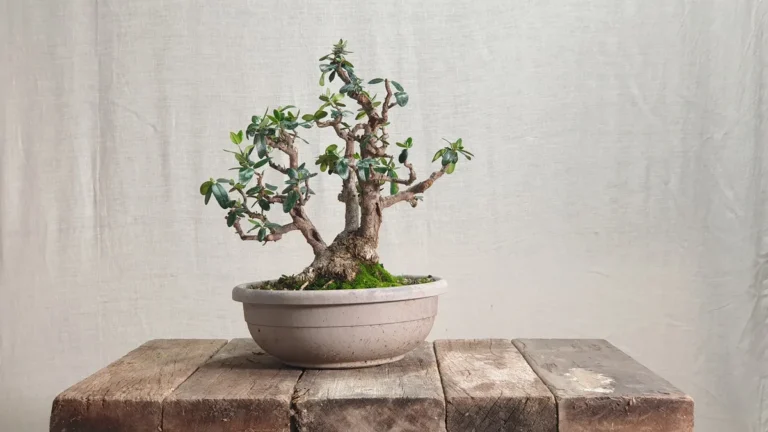
Repotting a Wild Olive Bonsai: Fixing a Nebari with Hidden Flaws
Clay, vertical roots and an unnatural step under a spectacular triple-trunk base — and why the best fix is burying the nebari.
Structure & Development
Styling decisions play out over years, not weekends. These guides cover the long game: managing apical dominance and energy balance, keeping internodes short, and how choices made on young material shape the trunk lines you will live with for decades.
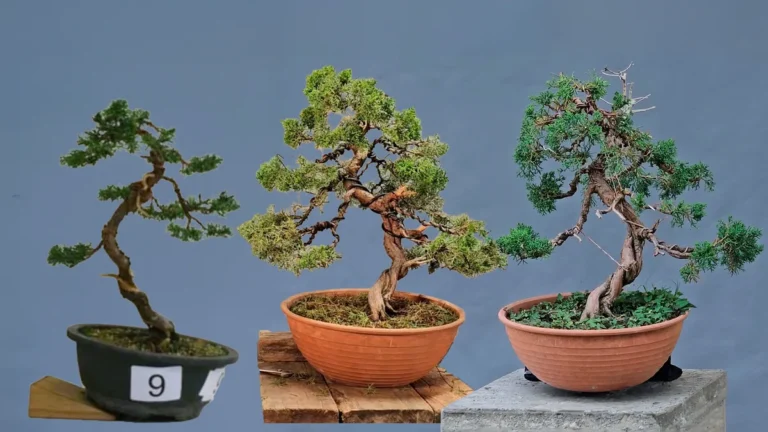
Juniper Bonsai Styling: Changing the Front of a Competition-Winning Itoigawa
Why the front that won in 2014 was abandoned, why the two best branches had to go, which stubs become jin and why only the primaries get wire this year.
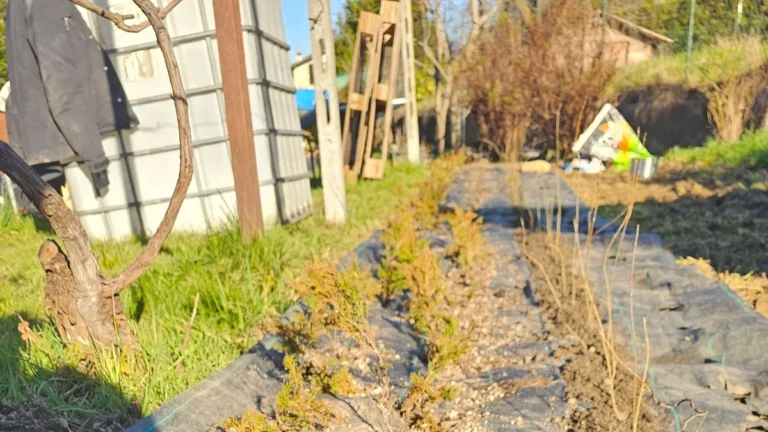
What Is a Pre-Bonsai? How to Choose Your First Tree
Base, trunk line, age and species: what separates good raw material from a garden-centre shrub, with video from our field.
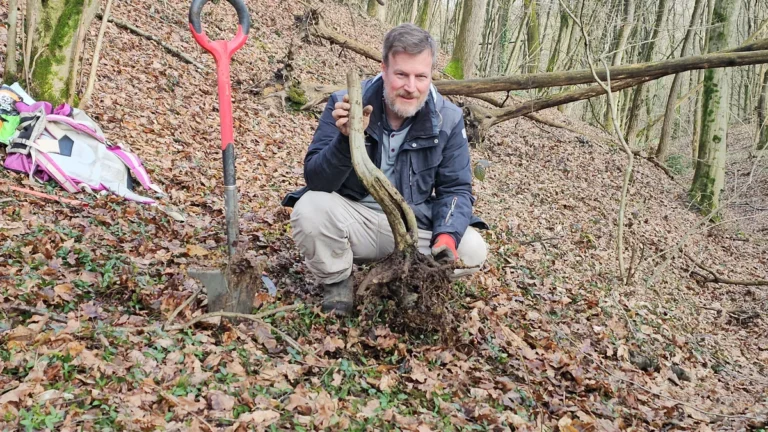
Yamadori Hornbeam Bonsai: Choosing the Front and First Styling
Front, apex and first branches on a Carpinus betulus collected in February — and why the big cut waits until late summer.
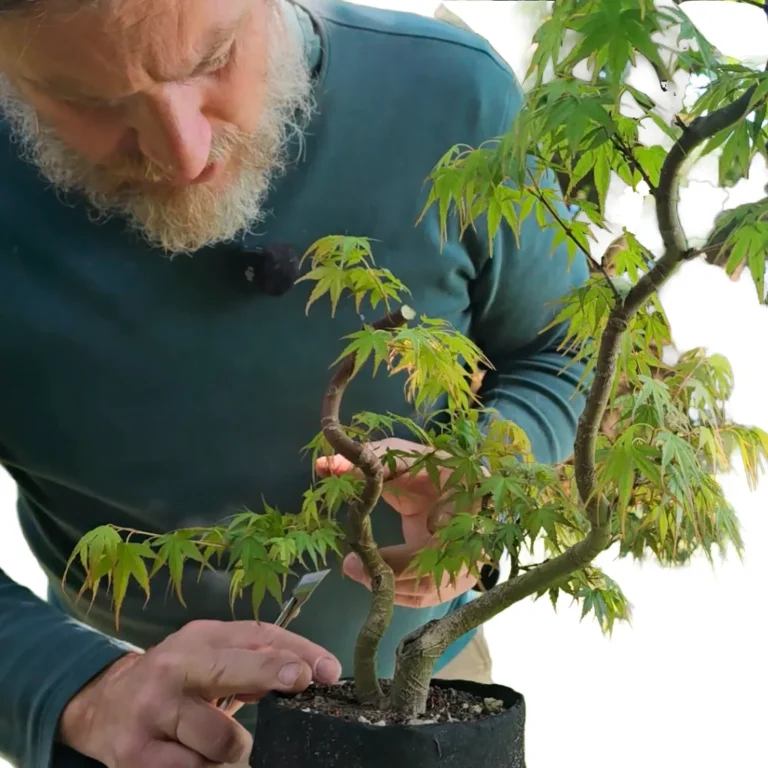
Twin Trunk (Sokan): Managing Apical Dominance
The son trunk almost always outgrows the father — the exact pruning sequence to rebalance energy.
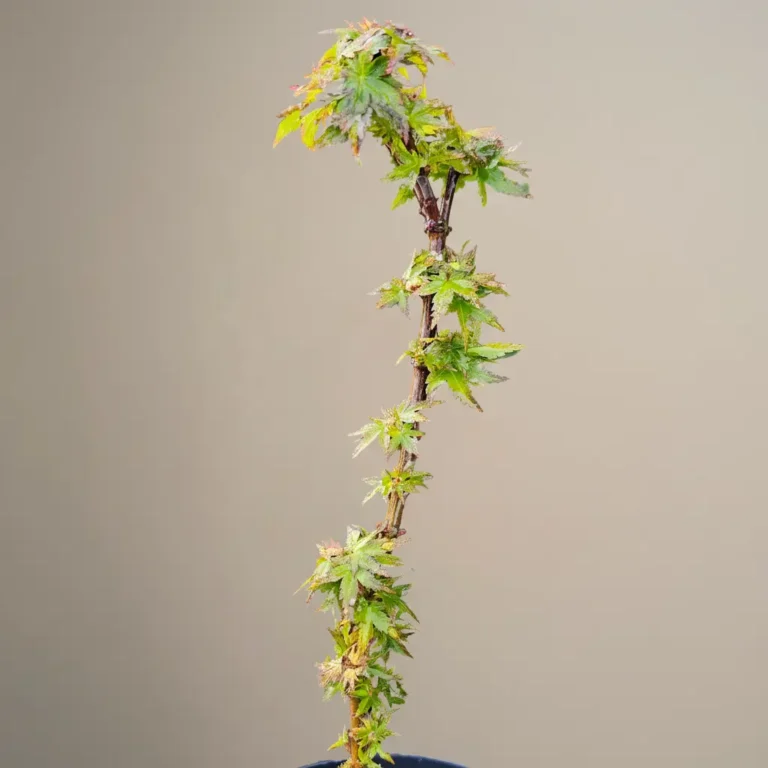
Acer Palmatum: Bonsai Development Guide
Growth behaviour, internode dynamics and back-budding response across the training phases.
Put it into practice
Every technique here needs material you can afford to experiment on. Our Young Pre-Bonsai start at €8 — field-grown, healthy, and ready for their first styling decisions.
Stuck with your own tree?
Book a 1-to-1 with Luca and get answers specific to your material.