EU delivery included from €70 · Shipped to 18 countries

Trident Maple (Acer buergerianum) – Young Pre-Bonsai

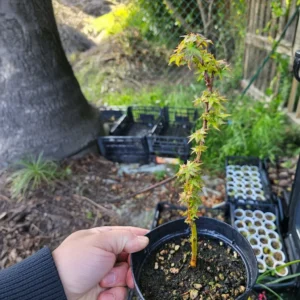
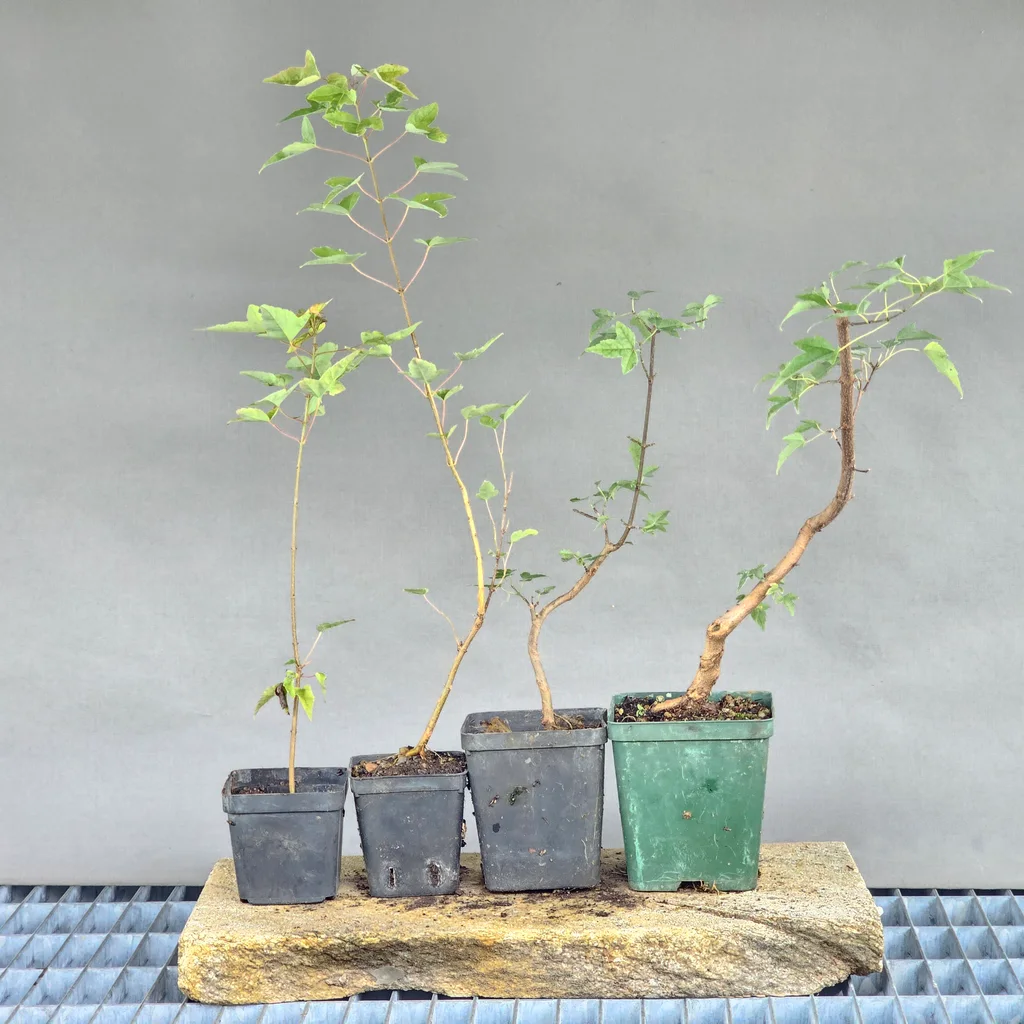
The trident maple (Acer buergerianum) is the most rewarding classic among bonsai maples: vigorous, sun-loving and quick to build both trunk and fine branching. Choose one of four development stages — from a straight seedling at least one year old to a tree with its initial branch structure — each including one more season of professional work in our nursery. Own production, grown from seed — never imported for resale.

Price range: 8 € through 40 €

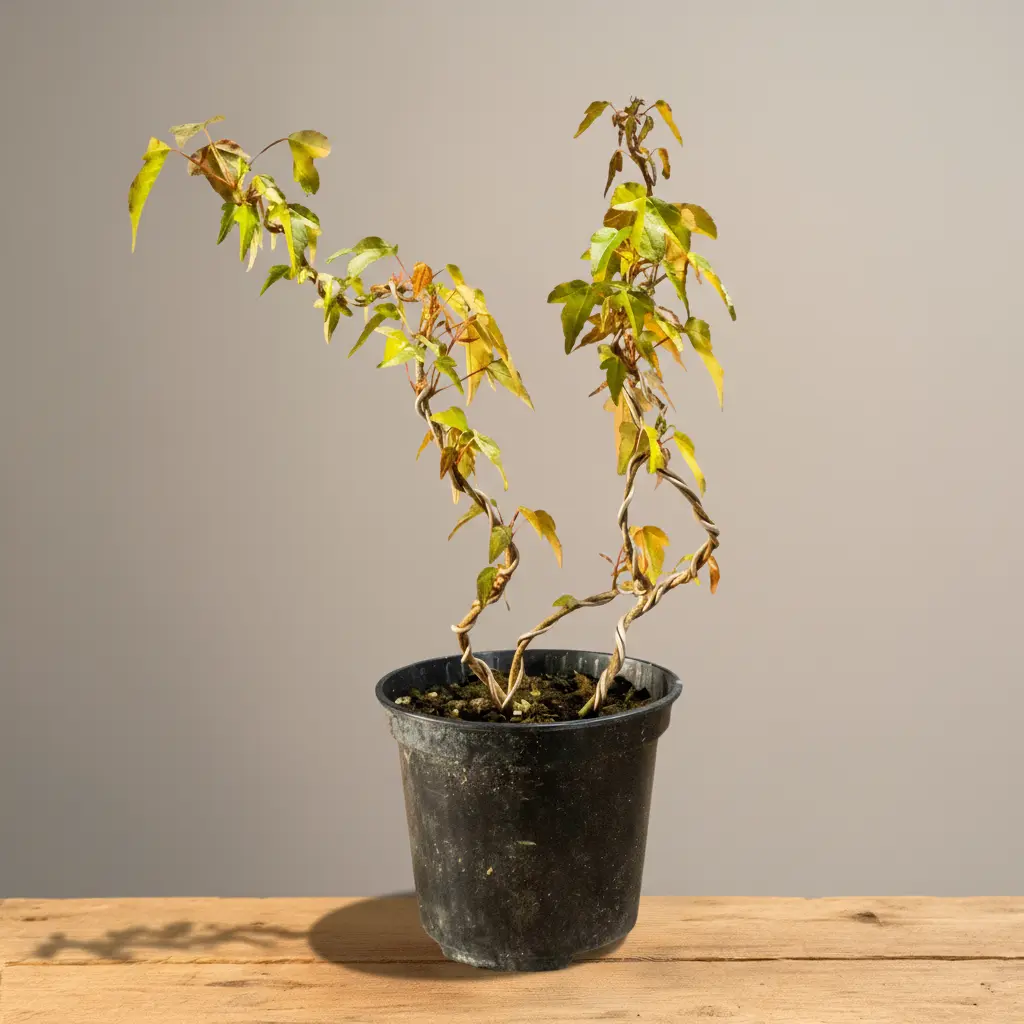
Depending on training stage and season, your tree may ship with the training wire still on or already removed. Both are normal.
Secure payments with:

Before you buy

Each tree is unique and photos are for reference. You can request current photos of available trees before buying.

Care details

Sun

Full sun for most of the year.

Water

Keep soil consistently moist but well-drained.

Feed

Every two weeks during the growing season.

Repot

Every 2–3 years in early spring before buds open.

Soil

Neutral to slightly acidic.

Prune

Cut new shoots to 1–2 leaves once they carry 4–6; structural work in late winter.

Plan its future

Every tree has more than one path. Book a 1-to-1 consultation with Luca to map out styling and next steps for this exact material, from €29.

Complete your collection

You may also like…

Acer buergerianum — characteristics & bonsai use

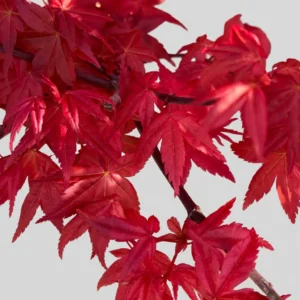
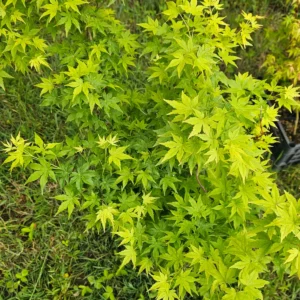
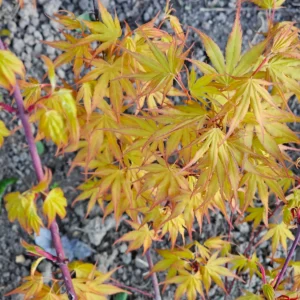
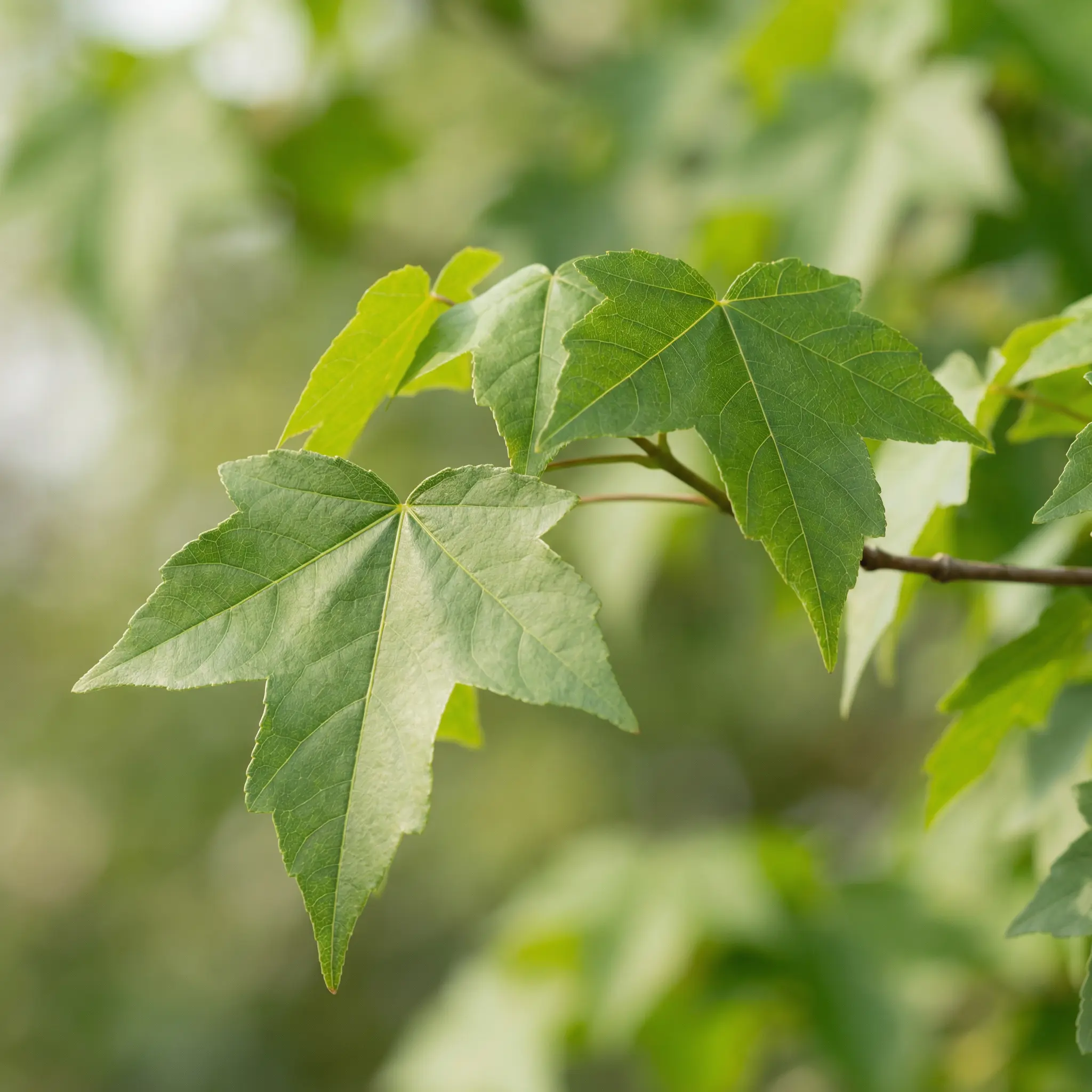
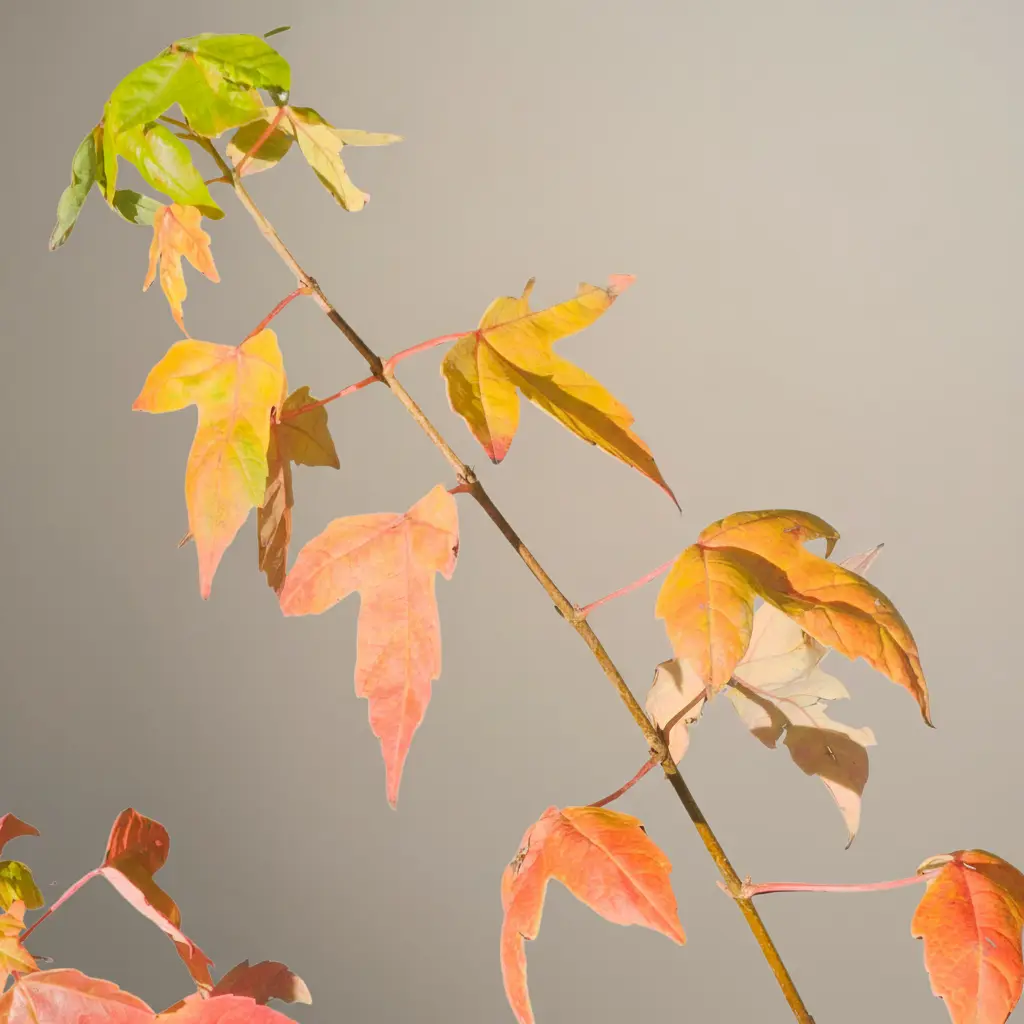
Acer buergerianum, the trident maple, is the deciduous workhorse of bonsai. Native to China, Korea and Japan, it grows faster, heals faster and back-buds more generously than almost any other broadleaf species used for bonsai. The glossy, three-lobed leaves are naturally small and reduce further with technique, new growth flushes bronze-red before hardening to deep green, and autumn turns the canopy orange to crimson. The young bark is smooth; with age it flakes into a handsome patchwork that lends older trunks an air of maturity.

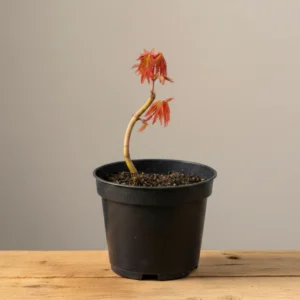
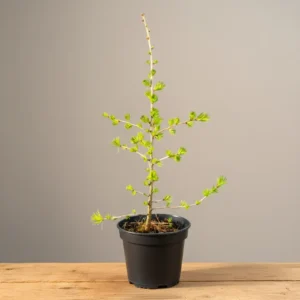
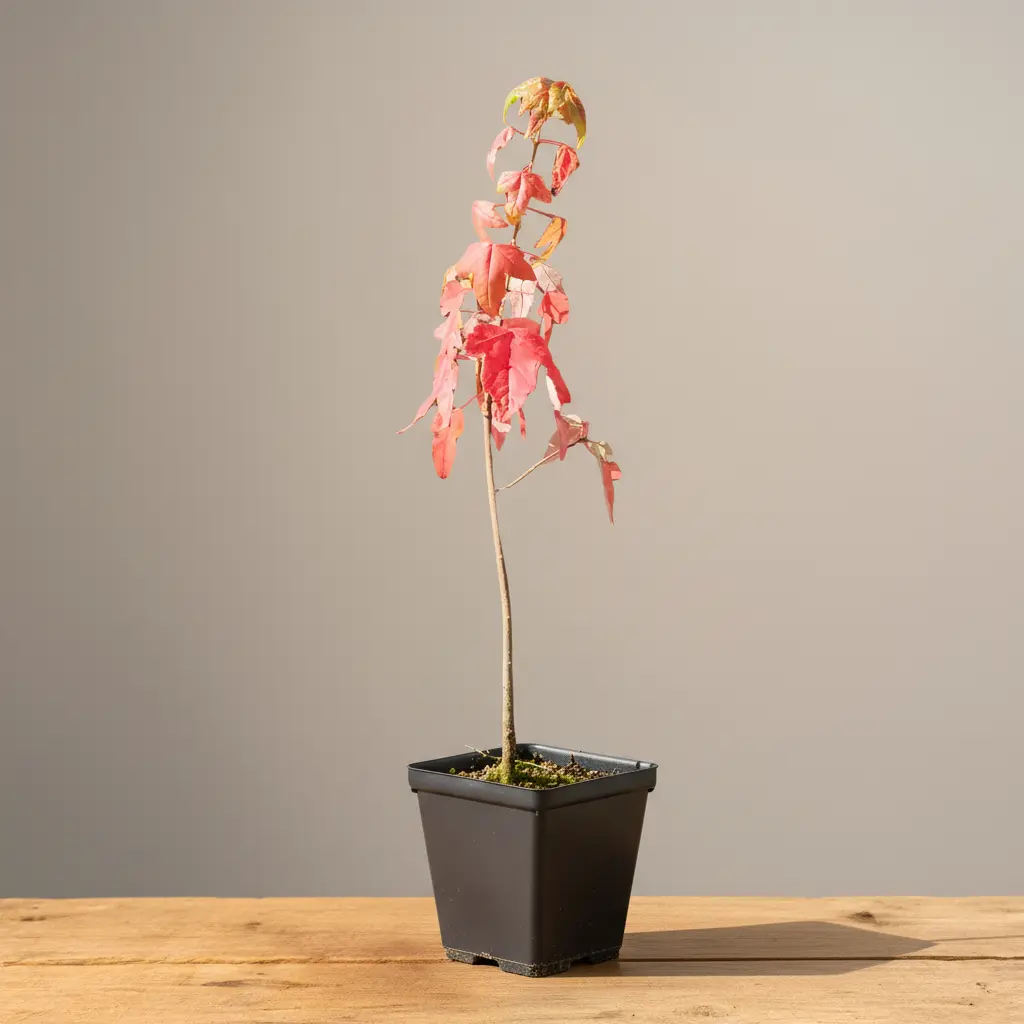
Every tree in this listing was sown and raised in our own nursery — we grow all development stages ourselves rather than importing finished stock, and we sell from every one of those stages. Each of the four stages represents roughly one more season of professional work. Stage 1 is the raw material: a vigorous seedling with a straight trunk, at least one year old. In stage 2 the trunk has been wired and given its base movement — the character line that can never be added to an older, stiffer tree. Stage 3 adds a worked root base: the strong downward roots are reduced and the lateral roots selected and spread, the foundation of the flat, radial nebari this species is famous for. By stage 4 the first branches are being selected and built: what you receive is a defined prototype of a tree, ready for you to refine.

In bonsai use the trident forgives almost everything. It thrives in full sun, where its internodes stay short and its leaves small; it responds to trimming with dense new shoots; and cuts that would scar a Japanese maple for years roll over quickly with clean callus. It suits everything from shohin to medium informal upright and slanting designs, and its nebari develops faster than that of any other maple — see our article on summer pruning and nebari work on Acer buergerianum for how we build that root base. Compared with its refined cousin the Japanese maple, the trident is tougher, sunnier and faster — the ideal maple to learn structural work on, and the one professionals reach for when they want visible progress every single season.

Cultivation note: the trident maple is a thirsty tree — in full summer sun a well-rooted pot can need water daily, and leaves scorch if the rootball dries out. In winter, protect pots from hard frost: the fleshy roots are more frost-sensitive than the hardy top. Check wired branches monthly in the growing season; this species thickens fast and wire marks are persistent.

Why buy from Treevaset

Grown specifically for bonsai

not garden-centre stock.

European distribution, limited batches

shipped EU-wide — no customs, no import risk.

Support from experienced growers

Luca answers personally.

Grown for bonsai from seed, own production

quality controlled from day one, seed to tree.

Feedback from growers

★★★★★ 4.9/5 · 100+ verified reviews on eBay

Markus ★★★★★ Google · Translated from German

Super personal service and wonderful rare Acer varieties. When the courier had delivery problems, Luca was easy to reach and immediately arranged a replacement. Absolute recommendation!

Acer Palmatum Cultivars
Silpap ★★★★★ eBay · Translated from Italian

Extremely happy with my Acer palmatum — it's exactly what I wanted. Serious, kind and competent, with an excellent quality-price ratio. I'll definitely buy again.

Young Pre-Bonsai
Matlor ★★★★★ eBay · Translated from German

Very well packaged, a beautiful larch, exactly as described. Clear recommendation.

Outdoor Bonsai
Airvik ★★★★★ eBay · Translated from Italian

Everything perfect — the little plant arrived well packed and healthy, and I used it right away for a root graft.

Young Pre-Bonsai
Kirogalgo ★★★★★ eBay · Translated from French

A lovely larch with a beautiful trunk base. Perfect packaging and fast shipping.

Young Pre-Bonsai
Roberto ★★★★★ Google · Translated from Italian

Excellent seller — professional, kind, and the bonsai arrived perfect and healthy. Bomb-proof packaging, highly recommended!

Bonsai

FAQs

Which development stage should I choose?
Stage 1 is raw material — ideal for group plantings, fusion projects or training from zero. Stage 2 already has its trunk movement wired in. Stage 3 adds a worked, radial root base, and stage 4 adds the first branch structure. Each step up simply includes one more season of professional work — none of them is “wrong” for a beginner. In age terms, stage 1 trees are at least one year old, stage 2 at least two, stage 3 at least three and stage 4 at least four.
Depending on the stage and the season, your tree may ship with the training wire still on or already removed. Both are normal. If the wire starts biting into a thickening branch, remove it — its job is already done.
The trident. It takes full sun without leaf burn, grows and thickens faster, heals pruning cuts quickly and tolerates the occasional watering mistake better than Acer palmatum. Japanese maples reward you with finer leaves and colour, but the trident is the maple to learn structural work on — many enthusiasts keep both.
In stages 3 and 4 the root base has been worked during the early years: strong downward roots are reduced and the lateral roots selected and spread evenly around the trunk. This builds the flat, radial nebari the trident maple is famous for — invisible in the pot photos, but the foundation of a mature bonsai and very slow to fix if neglected.
The species itself is hardy, but in a pot its fleshy roots are more frost-sensitive than the branches. Below sustained hard frost, move the tree to an unheated greenhouse, coldframe or bright garage, and never let the substrate sit frozen and waterlogged. In mild-winter regions it can stay outside all year.
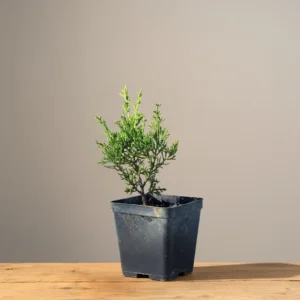
Acer buergerianum trident maple young pre-bonsai grown from seed in a square nursery pot

Trident Maple (Acer buergerianum) – Young Pre-Bonsai

Price range: 8 € through 40 €