
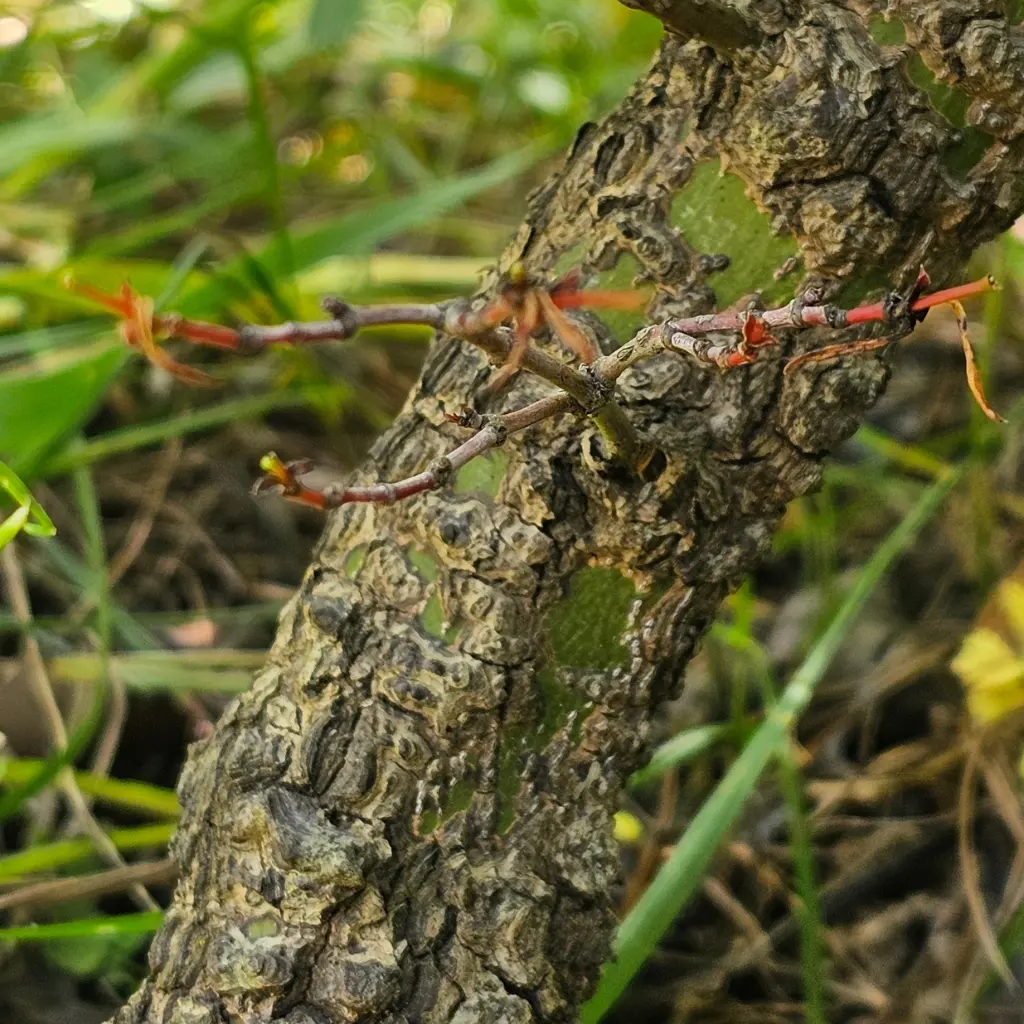
Acer palmatum ‘Arakawa’ – Japanese Maple for Bonsai
25 € – 60 €Price range: 25 € through 60 €
- Healthy arrival guarantee
- Free EU shipping from €70
- Photos of trees in stock available on request
Before you buy
Each tree is unique and photos are for reference. You can request current photos of available trees before buying.
Care details
Full morning sun; protect from intense afternoon sun in peak summer.
Keep soil consistently moist with good drainage; do not allow to dry out completely.
High nitrogen during trunk development; moderate, balanced feeding during refinement.
Every 2–3 years in early spring before bud break.
Slightly acidic to neutral, free-draining substrate; akadama-based mix recommended.
Prune after new shoots harden; wire in autumn after leaf drop. Wire marks fade naturally as bark texture develops.
Every tree has more than one path. Book a 1-to-1 consultation with Luca to map out styling and next steps for this exact material, from €29.
Complete your collection
You may also like…
- Bonsai
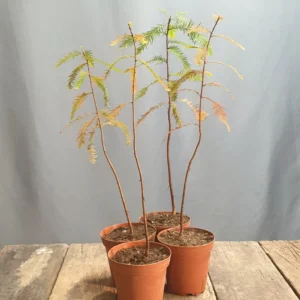
Japanese Maple Yamamomiji (Acer palmatum) – Young Pre-Bonsai
8 € – 40 €Price range: 8 € through 40 € Select options This product has multiple variants. The options may be chosen on the product page - Bonsai
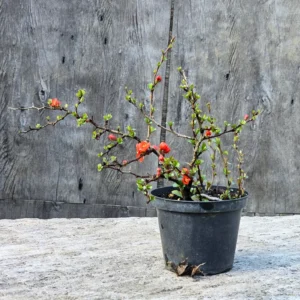
Flowering Quince Bonsai ‘Chojubai’ (Chaenomeles japonica)
35 € – 125 €Price range: 35 € through 125 € Select options This product has multiple variants. The options may be chosen on the product page
Acer palmatum 'Arakawa' — Characteristics & Bonsai Use
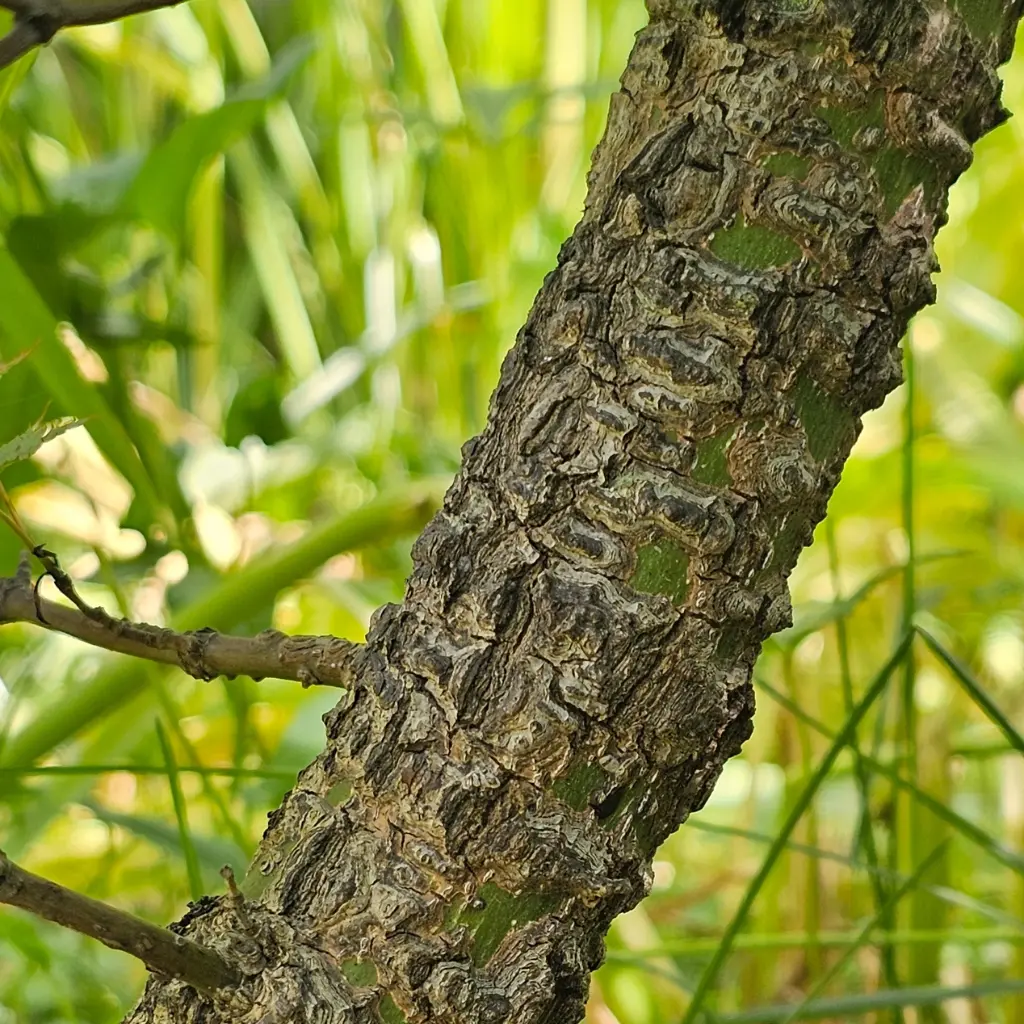
‘Arakawa’ is the original and most recognised rough bark Japanese maple — the name itself means “rough bark” in Japanese (ara = rough, kawa = bark). Among the hundreds of Acer palmatum cultivars, it is one of very few that develop corky, fissured bark resembling mature pine bark, a trait that adds trunk character, visual maturity and year-round interest that smooth-barked maples cannot match.
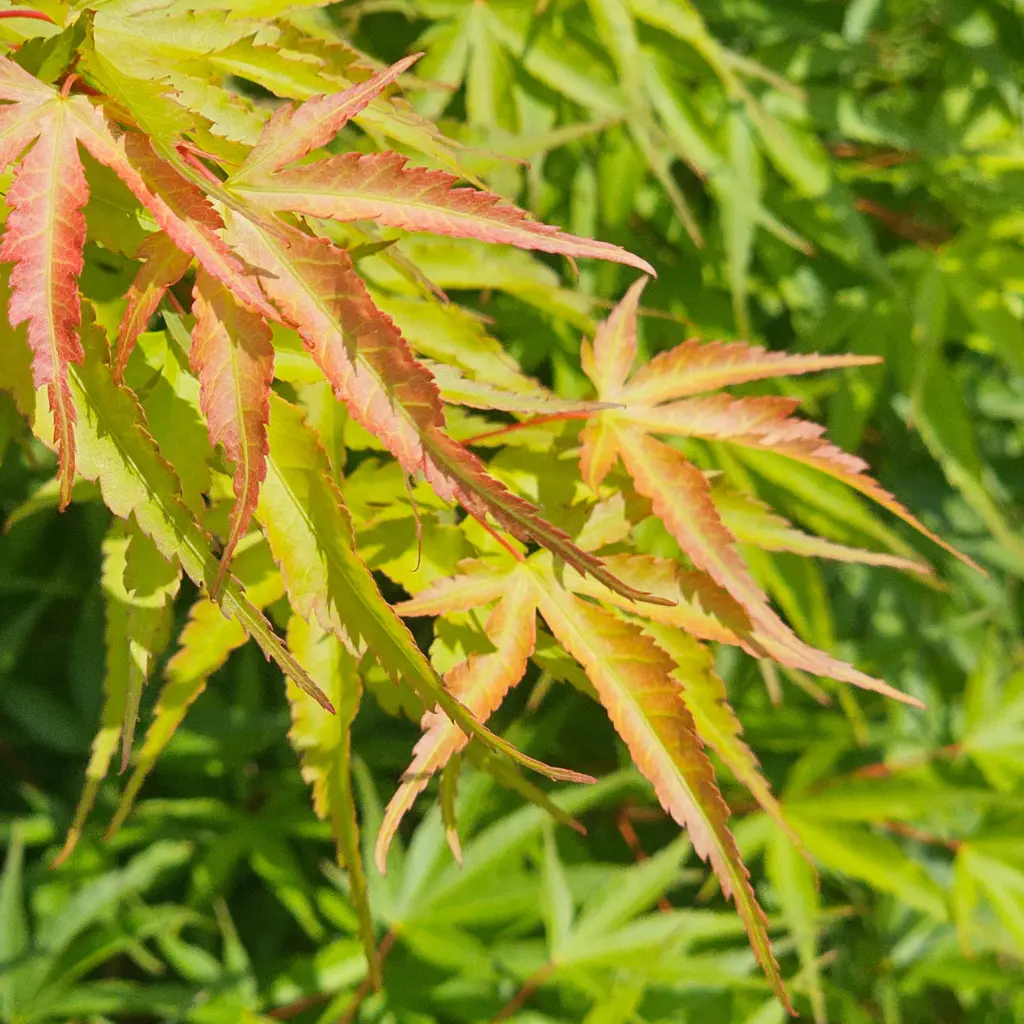
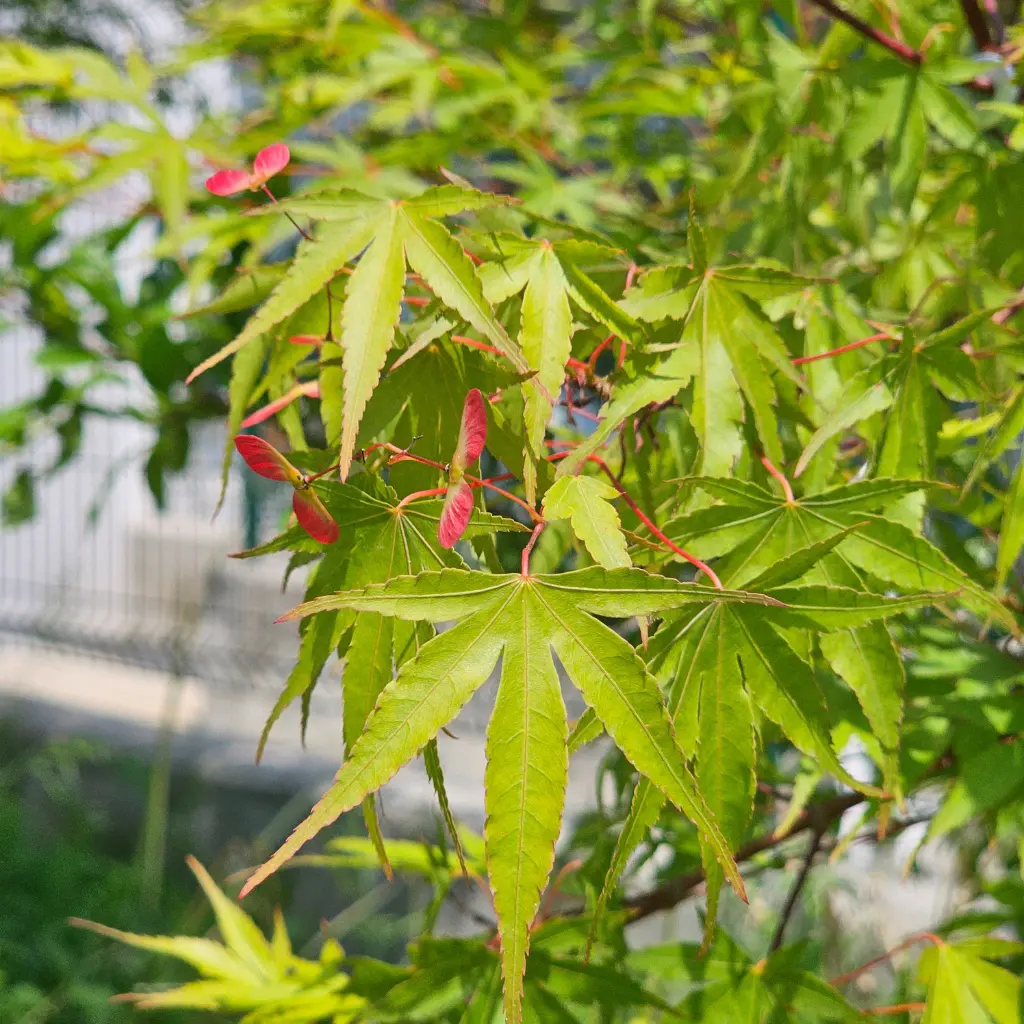
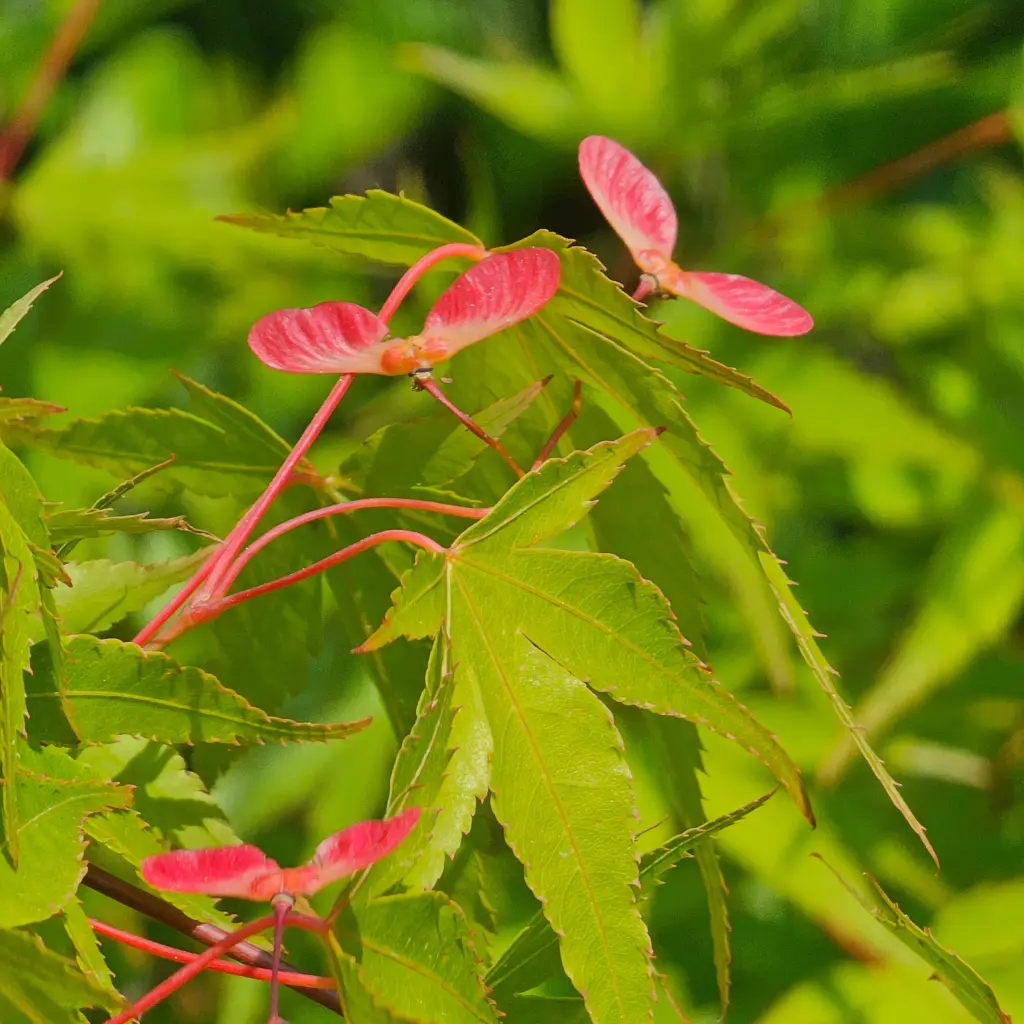
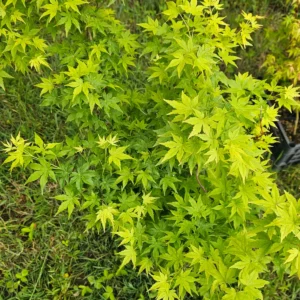
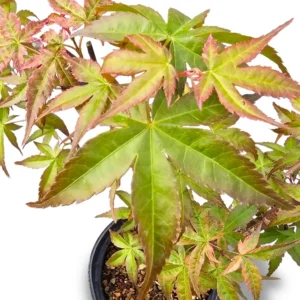
Young shoots emerge red, turning deep green or deep red depending on sun exposure. Around year four, the bark transitions to grey and begins cracking into the characteristic scales that define the cultivar. This progression deepens over the following years, creating increasingly pronounced texture. In open ground, Arakawa reaches 3 to 5 metres — a vigorous, upright grower with fast pace, long internodes and large leaves that support rapid trunk caliper increase.
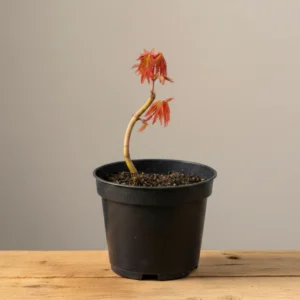
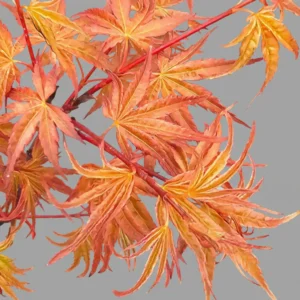
What makes Arakawa particularly valuable for bonsai is the combination of bark character with strong development momentum. The trunk thickens quickly under open cultivation, and as the bark texture develops, wire marks become less visible over time — a practical advantage during structural training phases. Seasonally, the cultivar delivers understated spring colour (light green with red margins), stable summer green, and one of the most dramatic autumn displays among Japanese maples: deep orange and purple before leaf drop. For bonsai, informal upright and slanting styles suit it well, where the bark texture adds credibility to designs that suggest age and exposure. The larger plants on offer are air-layered specimens that start life with a flat, radial root base.
Cultivation note: Arakawa must be cutting-propagated to develop rough bark from the base. Grafted specimens only develop bark above the graft union, creating a visible mismatch at the trunk base. All Treevaset Arakawa are grown from cuttings. During early development, allow free growth and use sacrifice branches to build trunk caliper — the bark character will follow naturally from year four onward.
- Deciduous Japanese maple with rough, cracking bark that develops pine-bark scales — the original and most iconic rough-bark Acer palmatum.
- Vigorous upright growth suited for trunk building and early structural work.
- Autumn is the season it shows off: after understated spring green, the foliage turns deep orange and purple — one of the most dramatic autumn displays among Japanese maples.
Why buy from Treevaset
not garden-centre stock.
shipped EU-wide — no customs, no import risk.
cutting-propagated to preserve the cultivar.
Compare Japanese maple cultivars
| Cultivar | Leaf size | Internodes | Growth habit | Spring colour | Bark | Adult size |
|---|---|---|---|---|---|---|
| Orihime | Very small | Short | Dwarf, compact | Light green, bronze margins | Smooth | 1–2m |
| Kotohime | Small | Very short | Dwarf, compact | Green, pink-red margins | Smooth | 1–2m |
| Sei Hime | Small | Short | Dwarf, compact | Yellow-green | Smooth | 1–2m |
| Seigen | Medium | Medium | Semi-dwarf, upright | Red-purple | Smooth | 1–2m |
| Beni Chidori | Medium | Medium | Semi-dwarf, upright | Pink to orange | Smooth | 2–4m |
| Beni Tsukasa | Medium | Medium | Semi-dwarf, upright | Light red, pink tones | Smooth | 2–4m |
| Katsura | Medium | Medium | Upright | Orange to yellow | Smooth | 1–2m |
| Ukon | Medium | Medium | Upright, fast | Emerald green, yellow accents | Smooth | 2–4m |
| Deshojo | Large | Long | Upright, vigorous | Deep red, pink tones | Smooth | 2–4m |
| Allen’s Gold | Large | Long | Upright, vigorous | Golden-chartreuse, pink-red margins | Rough | 3–5m |
| Arakawa | Large | Long | Upright, vigorous | Light green, red margins | Rough (corky) | 3–5m |
Feedback from growers
★★★★★ 4.9/5 · 100+ verified reviews on eBay
Super personal service and wonderful rare Acer varieties. When the courier had delivery problems, Luca was easy to reach and immediately arranged a replacement. Absolute recommendation!
Acer Palmatum CultivarsExtremely happy with my Acer palmatum — it's exactly what I wanted. Serious, kind and competent, with an excellent quality-price ratio. I'll definitely buy again.
Young Pre-BonsaiVery well packaged, a beautiful larch, exactly as described. Clear recommendation.
Outdoor BonsaiEverything perfect — the little plant arrived well packed and healthy, and I used it right away for a root graft.
Young Pre-BonsaiA lovely larch with a beautiful trunk base. Perfect packaging and fast shipping.
Young Pre-BonsaiFAQs
Is Acer palmatum Arakawa suitable for bonsai beginners?
What is the difference between Arakawa and Allen's Gold?
Why must Arakawa be cutting-propagated for bonsai?
When does Arakawa bark start cracking?
Can I grow Arakawa Japanese maple indoors?
Related products
Related products
- Bonsai
Acer palmatum ‘Beni Chidori’ – Japanese Maple for Bonsai (Young Pre-Bonsai)
35 € – 45 €Price range: 35 € through 45 € Select options This product has multiple variants. The options may be chosen on the product page - Bonsai
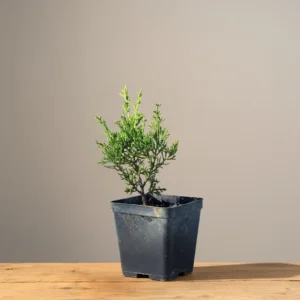
Itoigawa Juniper (Juniperus chinensis ‘Itoigawa’) – Young Pre-Bonsai
12 € – 17 €Price range: 12 € through 17 € Select options This product has multiple variants. The options may be chosen on the product page - Bonsai
Trident Maple (Acer buergerianum) – Young Pre-Bonsai
8 € – 40 €Price range: 8 € through 40 € Select options This product has multiple variants. The options may be chosen on the product page
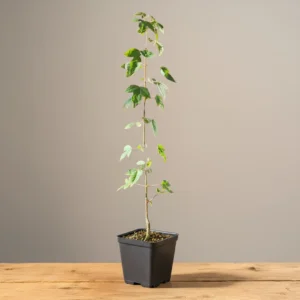

Acer palmatum ‘Arakawa’ – Japanese Maple for Bonsai
25 € – 60 €Price range: 25 € through 60 €