EU delivery included from €70 · Shipped to 18 countries

Acer palmatum ‘Kotohime’ – Japanese Maple for Bonsai

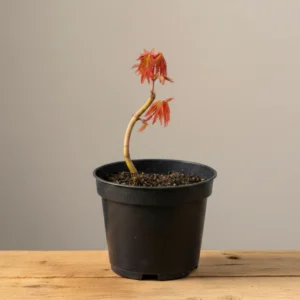
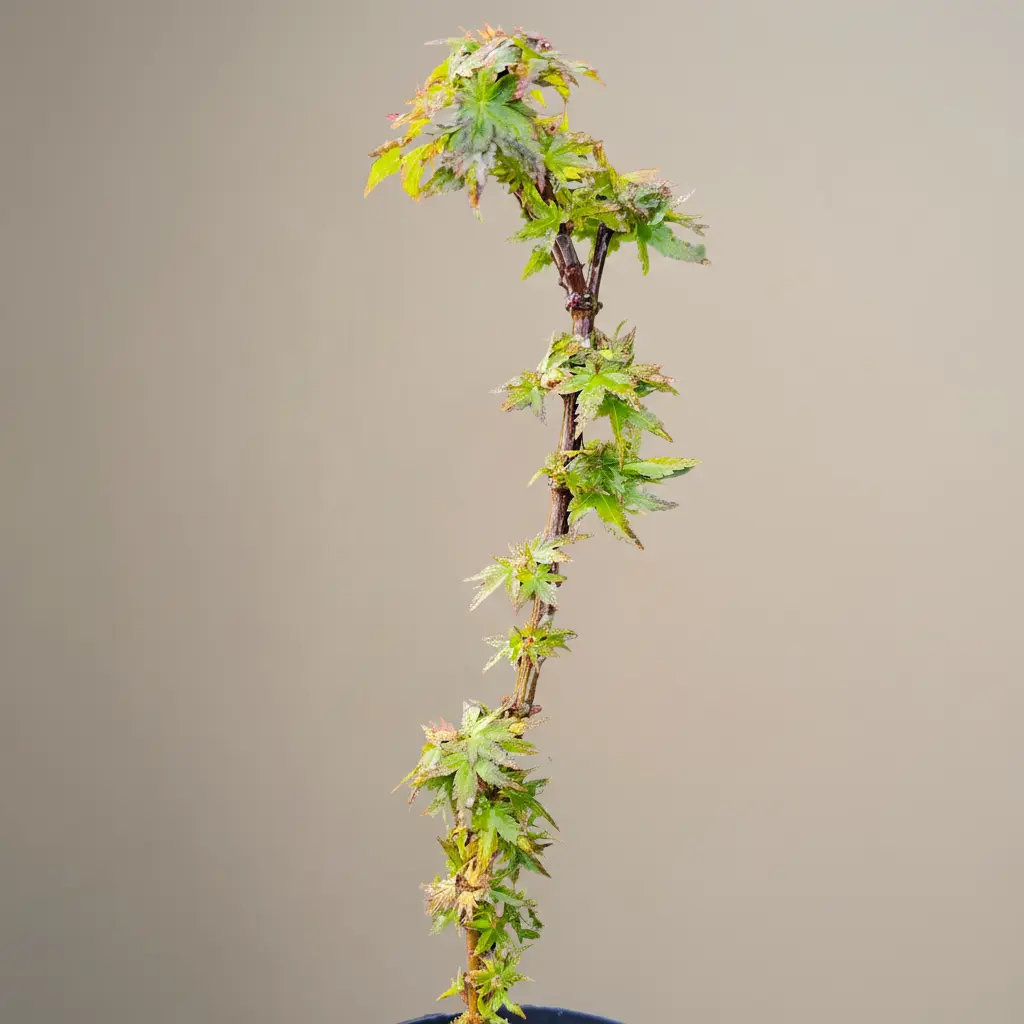
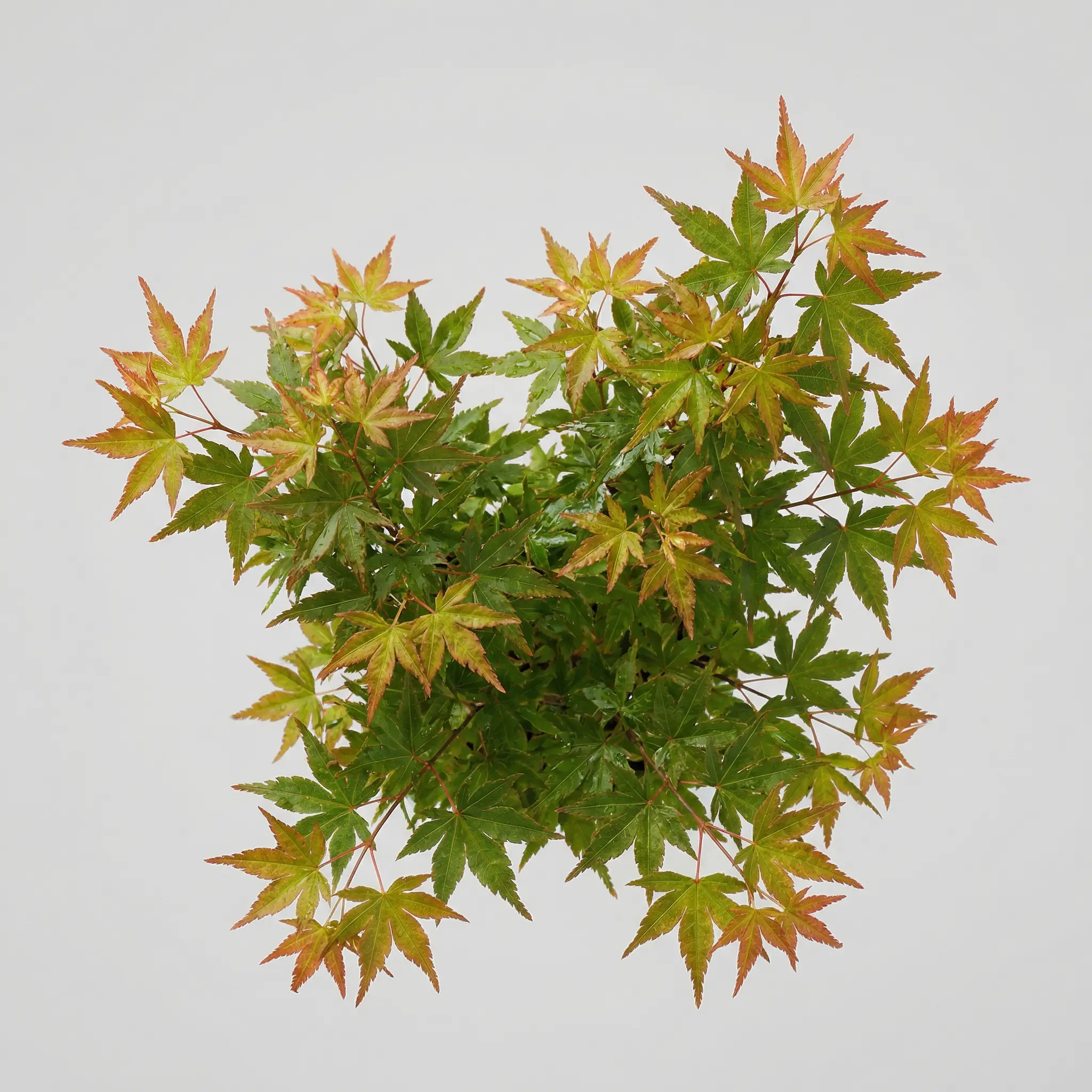
Kotohime is a dwarf Japanese maple that allows canopy control like a dense conifer — very short internodes and small leaves enable pads, negative spaces, and fine ramification rarely achievable with deciduous material. More vigorous than similar dwarfs, ideal for shohin, mame, and forest compositions. Non-grafted, cutting-propagated plants to preserve the true characteristics of the cultivar.

25 €

Out of stock

Gone for now: batches are small.

Leave your email and you’ll be first to know when the next batch is ready.

Before you buy

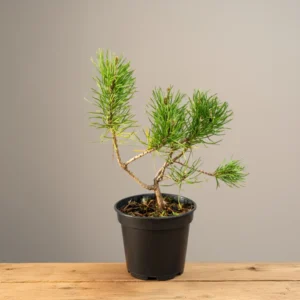
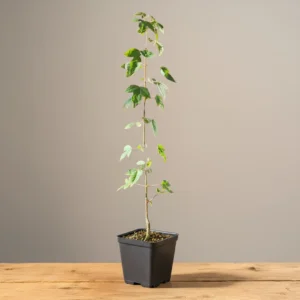
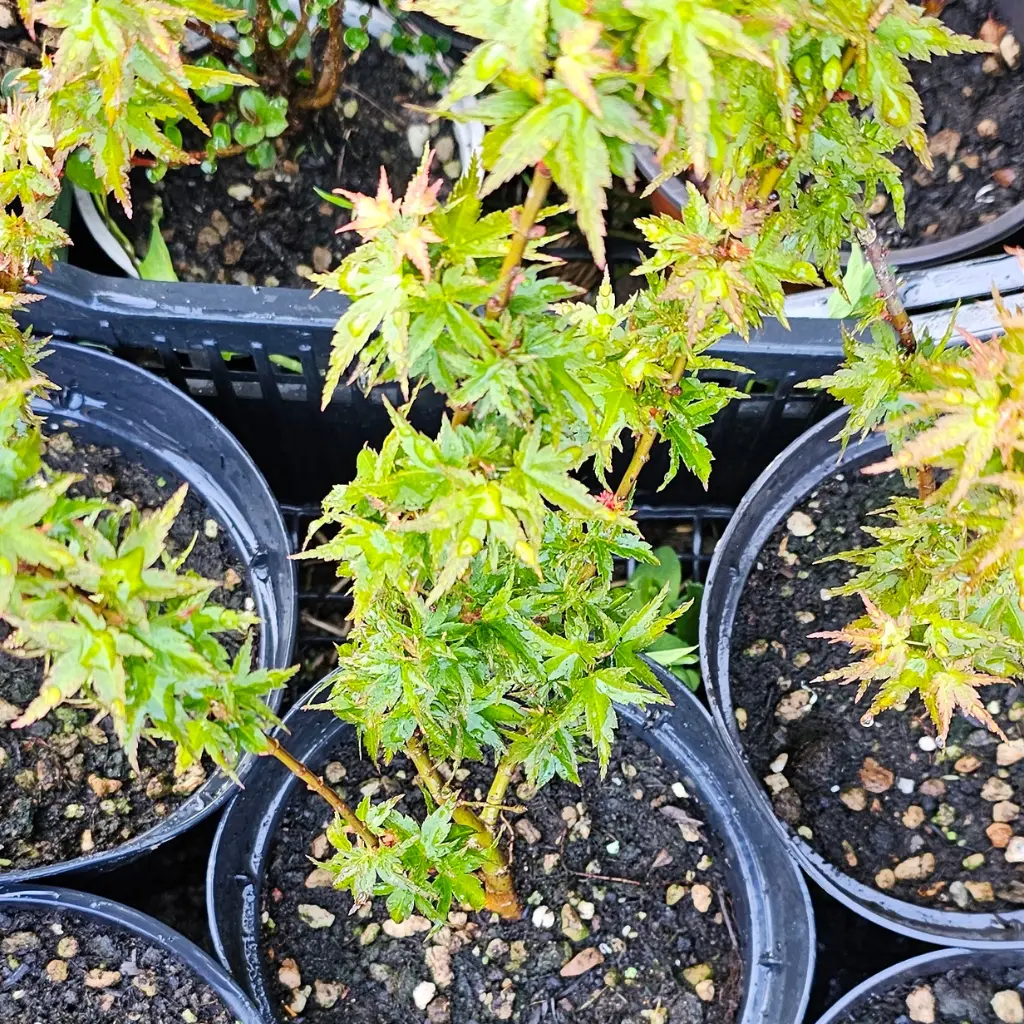
Each tree is unique and photos are for reference. You can request current photos of available trees before buying.

Care details

Sun

Good light exposure with protection from strong midday sun in warmer climates.

Water

Keep soil consistently moist with excellent drainage.

Feed

Light, balanced feeding during the growing season to support slow, controlled growth.

Repot

Every 2–3 years in early spring, before bud break.

Soil

Slightly acidic to neutral, free-draining substrate.

Prune

Prune selectively after shoot hardening to preserve compact internodes and structure.

Plan its future

Every tree has more than one path. Book a 1-to-1 consultation with Luca to map out styling and next steps for this exact material, from €29.

Complete your collection

You may also like…

Acer Palmatum ‘Koto Hime’ — Characteristics & Bonsai Use

‘Kotohime’ is a dwarf Japanese maple that behaves more like a dense conifer than a typical deciduous tree. Its very short internodes and small leaves allow growers to create pads and negative spaces with a level of control that few other Acer palmatum cultivars can offer. This makes it perfect for fine ramification work and multi-trunk or forest compositions where tight, layered canopies are the goal.

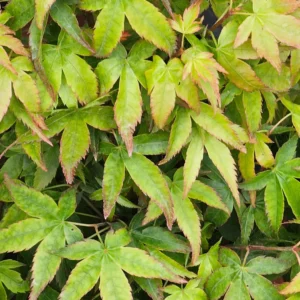
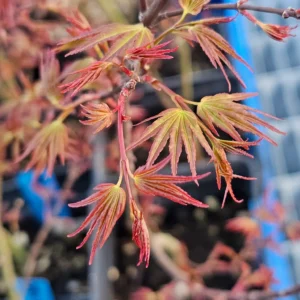
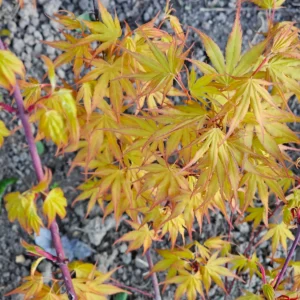
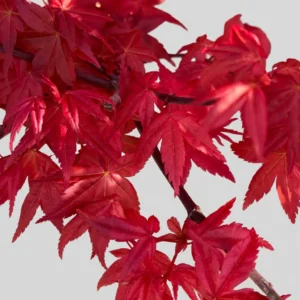
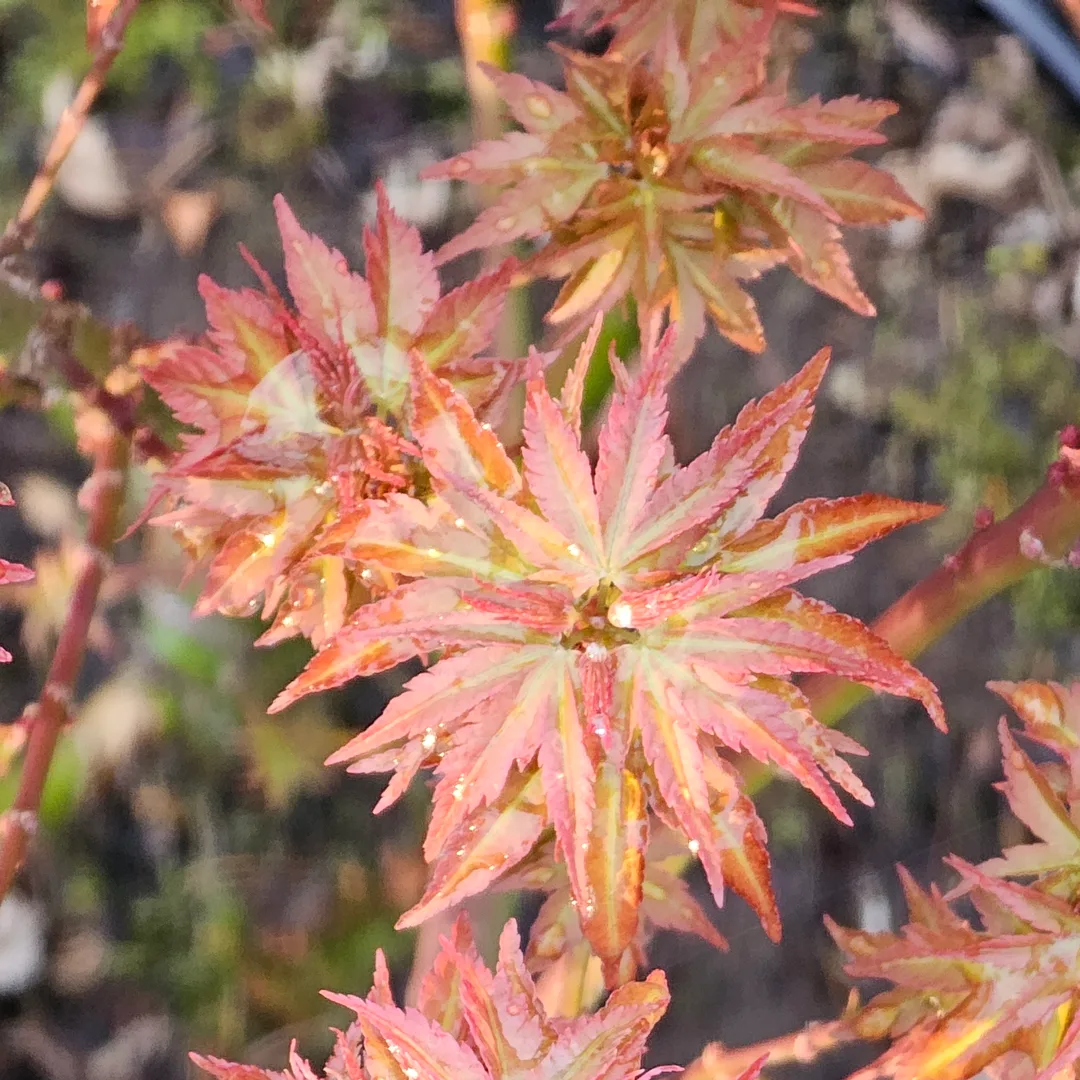
New foliage emerges green with pink and red margins, more intense at the top of new shoots. In summer, leaves turn light green, deepening with sun exposure. Autumn brings deep red tones. Growth pace is medium with a compact, upright habit — more vigorous than Shishigashira (a similar cultivar) but still naturally contained. Bark is smooth with visible internode separation, transitioning from light green to grey as it matures. In open ground, ‘Kotohime’ reaches 1 to 2 metres.

For bonsai purposes, the combination of controllable canopy volume, natural compactness, and reliable medium growth makes ‘Kotohime’ one of the most versatile dwarf cultivars available — equally suited for shohin, mame, and group plantings. Air-layered ‘Kotohime’ with the root base already formed are available as a separate listing.

Cultivation note: Unlike most dwarf cultivars, ‘Kotohime’ has enough vigour to build structure at a reasonable pace — don’t treat it as fragile. It responds well to regular pruning and can be pushed with balanced fertilisation during the growing season. The visible internode separation on the bark is a distinctive trait worth highlighting in the design. For forest or multi-trunk compositions, this cultivar is one of the best choices among Japanese maples.

Why buy from Treevaset

Grown specifically for bonsai

not garden-centre stock.

European distribution, limited batches

shipped EU-wide — no customs, no import risk.

Support from experienced growers

Luca answers personally.

Non-grafted, true-to-type plants

cutting-propagated to preserve the cultivar.

Compare Japanese maple cultivars

CultivarLeaf sizeInternodesGrowth habitSpring colourBarkAdult size
OrihimeVery smallShortDwarf, compactLight green, bronze marginsSmooth1–2m
KotohimeSmallVery shortDwarf, compactGreen, pink-red marginsSmooth1–2m
Sei HimeSmallShortDwarf, compactYellow-greenSmooth1–2m
SeigenMediumMediumSemi-dwarf, uprightRed-purpleSmooth1–2m
Beni ChidoriMediumMediumSemi-dwarf, uprightPink to orangeSmooth2–4m
Beni TsukasaMediumMediumSemi-dwarf, uprightLight red, pink tonesSmooth2–4m
KatsuraMediumMediumUprightOrange to yellowSmooth1–2m
UkonMediumMediumUpright, fastEmerald green, yellow accentsSmooth2–4m
DeshojoLargeLongUpright, vigorousDeep red, pink tonesSmooth2–4m
Allen’s GoldLargeLongUpright, vigorousGolden-chartreuse, pink-red marginsRough3–5m
ArakawaLargeLongUpright, vigorousLight green, red marginsRough (corky)3–5m

Feedback from growers

★★★★★ 4.9/5 · 100+ verified reviews on eBay

Markus ★★★★★ Google · Translated from German

Super personal service and wonderful rare Acer varieties. When the courier had delivery problems, Luca was easy to reach and immediately arranged a replacement. Absolute recommendation!

Acer Palmatum Cultivars
Silpap ★★★★★ eBay · Translated from Italian

Extremely happy with my Acer palmatum — it's exactly what I wanted. Serious, kind and competent, with an excellent quality-price ratio. I'll definitely buy again.

Young Pre-Bonsai
Matlor ★★★★★ eBay · Translated from German

Very well packaged, a beautiful larch, exactly as described. Clear recommendation.

Outdoor Bonsai
Airvik ★★★★★ eBay · Translated from Italian

Everything perfect — the little plant arrived well packed and healthy, and I used it right away for a root graft.

Young Pre-Bonsai
Kirogalgo ★★★★★ eBay · Translated from French

A lovely larch with a beautiful trunk base. Perfect packaging and fast shipping.

Young Pre-Bonsai
Roberto ★★★★★ Google · Translated from Italian

Excellent seller — professional, kind, and the bonsai arrived perfect and healthy. Bomb-proof packaging, highly recommended!

Bonsai

FAQs

Is Acer palmatum Koto Hime a good choice for bonsai beginners?
Koto Hime is one of the best cultivars for beginners. Despite being a dwarf with very short internodes and small leaves, it has surprising vigour — it pushes growth actively, responds well to pruning, and builds dense budding along old wood. This combination of compact form and forgiving growth makes it easier to develop than many other cultivars.
The standout trait is the combination of extremely short internodes with genuine vigour. Most dwarf cultivars are slow — Koto Hime is compact but actively growing, which means you can build structure faster than with Ori Hime or Sei Hime while still maintaining shohin proportions. It is also excellent for forest compositions because multiple trees develop at a manageable pace. See our cultivar comparison for a side-by-side overview.
All plants in this listing are cutting-propagated. The tree grows on its own roots with consistent dwarf behaviour from base to apex, and grafting is avoided entirely — grafted plants show a visible junction at the trunk base and a vigour mismatch between rootstock and scion, both problematic for bonsai development. If you want the root structure already solved, we also offer air-layered ‘Kotohime’ plants with radial nebari from day one.
Yes, it is one of the best cultivars for forest (yose-ue) compositions. The compact internodes, small leaves and manageable vigour allow multiple trees to grow together without one dominating the others. The visible internode separation on the bark also adds visual interest to trunk surfaces in group plantings.
No. Koto Hime needs outdoor conditions year-round, including a cold winter dormancy period below 10°C. Indoor environments lack the seasonal temperature changes that Acer palmatum requires to maintain vigour and health. Protect from severe frost below -10°C, but always keep outdoors.