Acer palmatum ‘Kotohime’ – Japanese Maple for Bonsai
25 €
Out of stock
Leave your email and you’ll be first to know when the next batch is ready.
- Healthy arrival guarantee
- Free EU shipping from €70
- Photos of trees in stock available on request
Before you buy
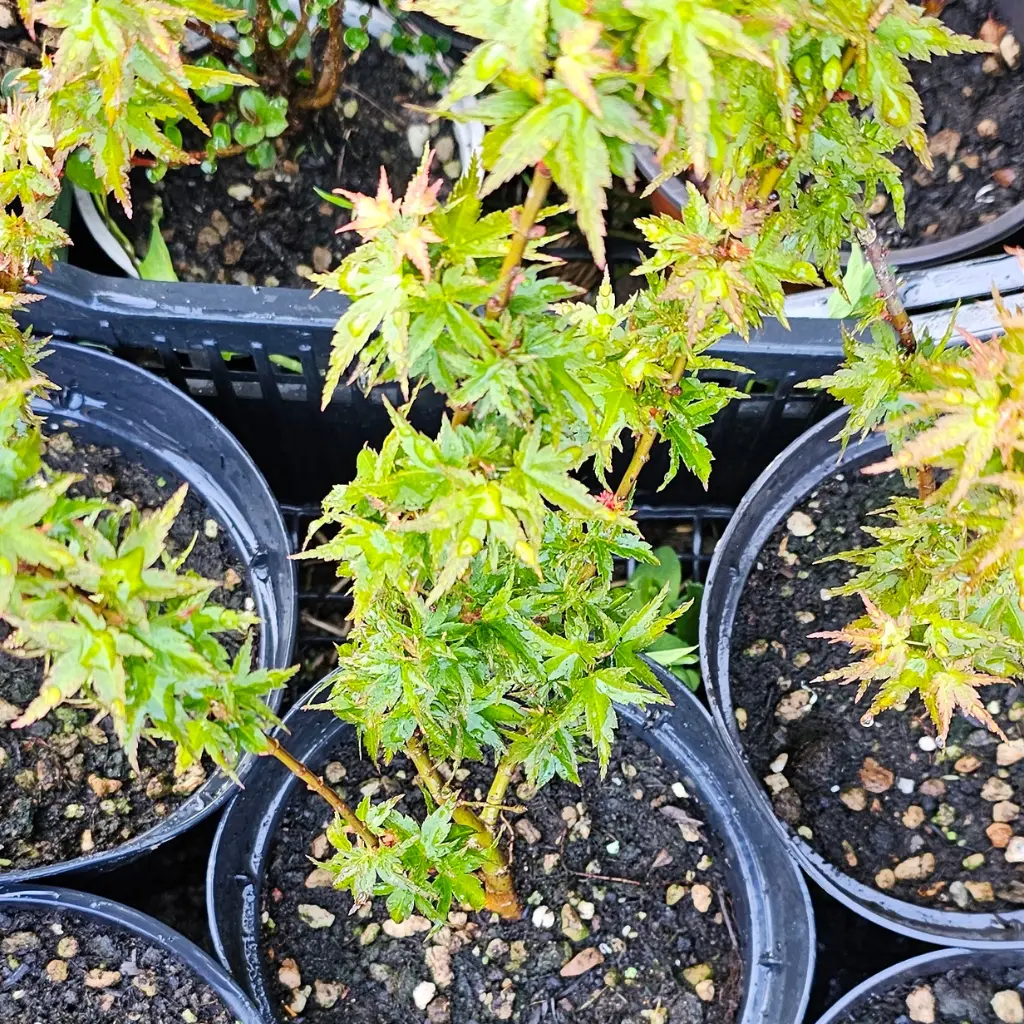
Each tree is unique and photos are for reference. You can request current photos of available trees before buying.
Care details
Good light exposure with protection from strong midday sun in warmer climates.
Keep soil consistently moist with excellent drainage.
Light, balanced feeding during the growing season to support slow, controlled growth.
Every 2–3 years in early spring, before bud break.
Slightly acidic to neutral, free-draining substrate.
Prune selectively after shoot hardening to preserve compact internodes and structure.
Every tree has more than one path. Book a 1-to-1 consultation with Luca to map out styling and next steps for this exact material, from €29.
Complete your collection
You may also like…
-
Bonsai
Japanese Maple Yamamomiji (Acer palmatum) – Young Pre-Bonsai
8 € – 40 €Price range: 8 € through 40 € Select options This product has multiple variants. The options may be chosen on the product page -
Bonsai
Acer palmatum ‘Orihime’ – Japanese Maple for Bonsai
35 € – 45 €Price range: 35 € through 45 € Select options This product has multiple variants. The options may be chosen on the product page
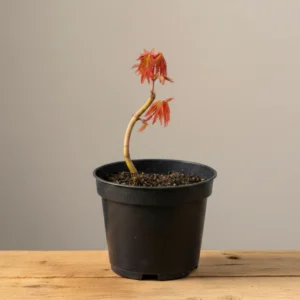
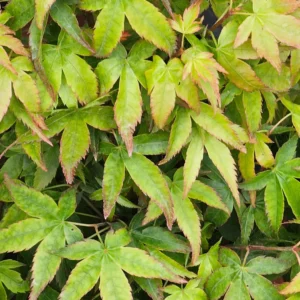
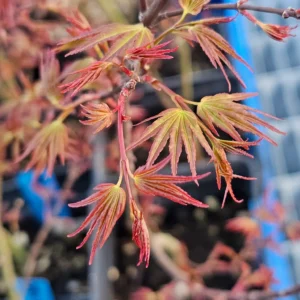
Acer Palmatum ‘Koto Hime’ — Characteristics & Bonsai Use
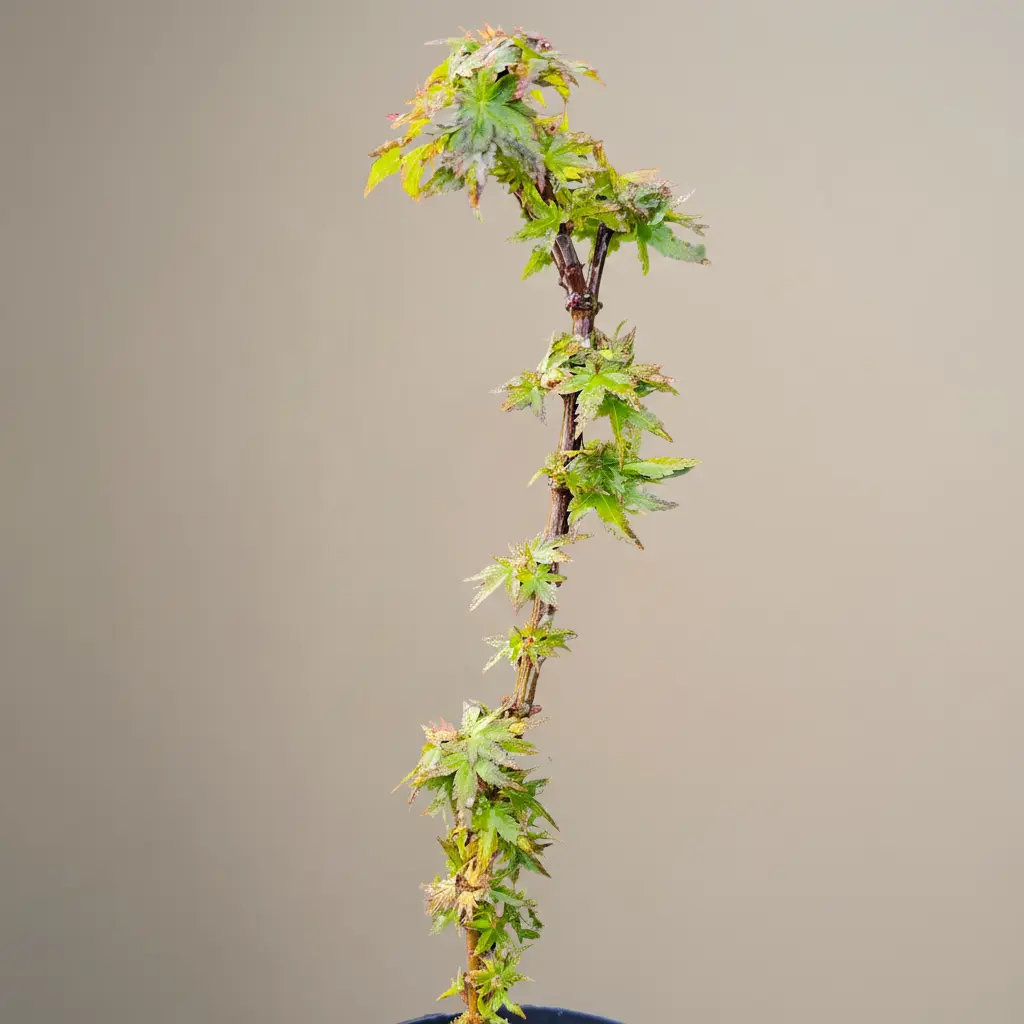
‘Kotohime’ is a dwarf Japanese maple that behaves more like a dense conifer than a typical deciduous tree. Its very short internodes and small leaves allow growers to create pads and negative spaces with a level of control that few other Acer palmatum cultivars can offer. This makes it perfect for fine ramification work and multi-trunk or forest compositions where tight, layered canopies are the goal.
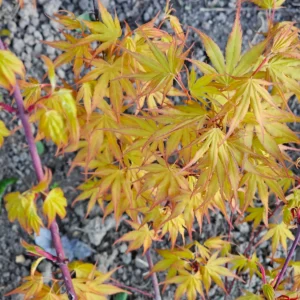
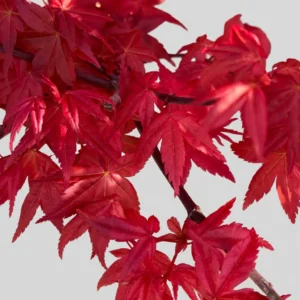
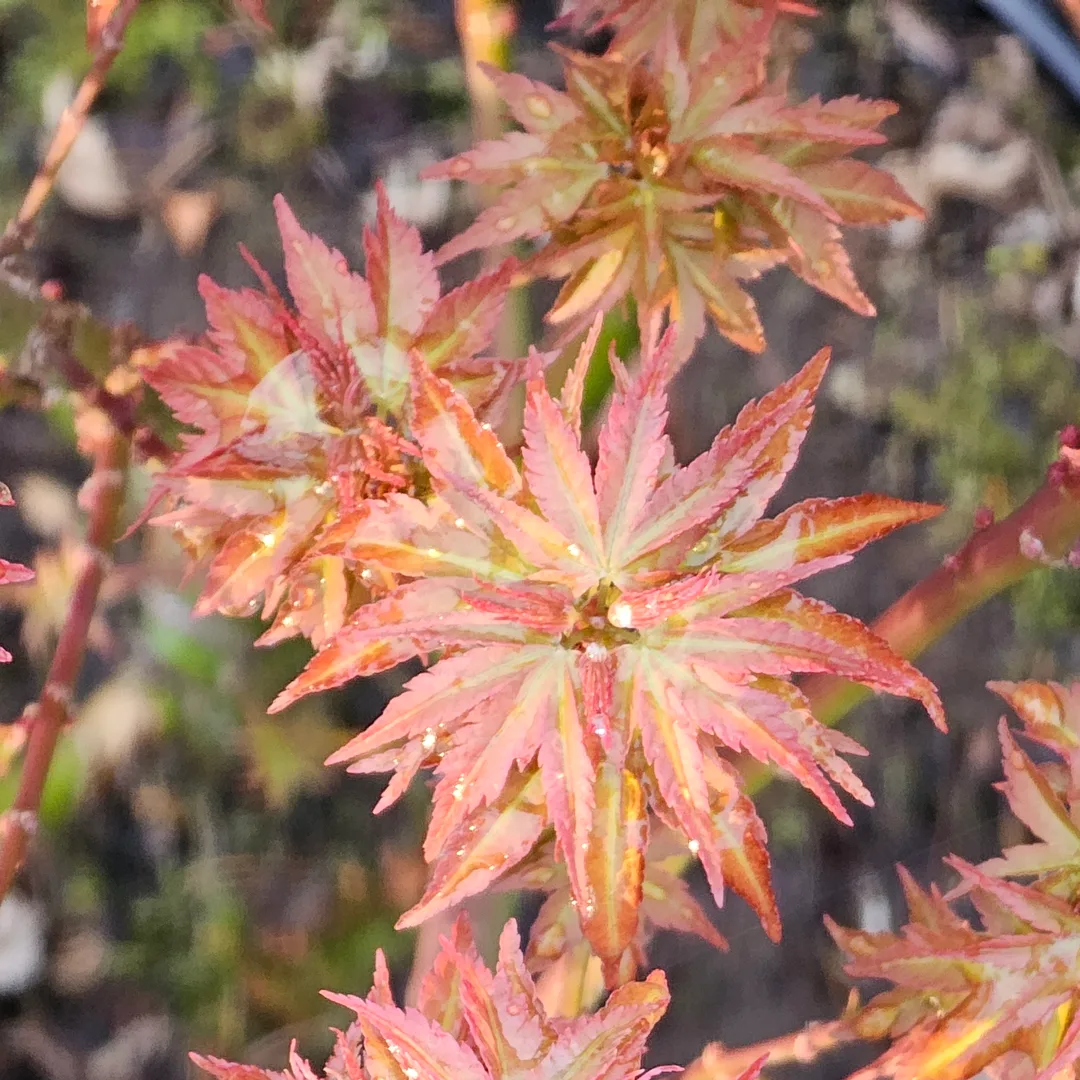
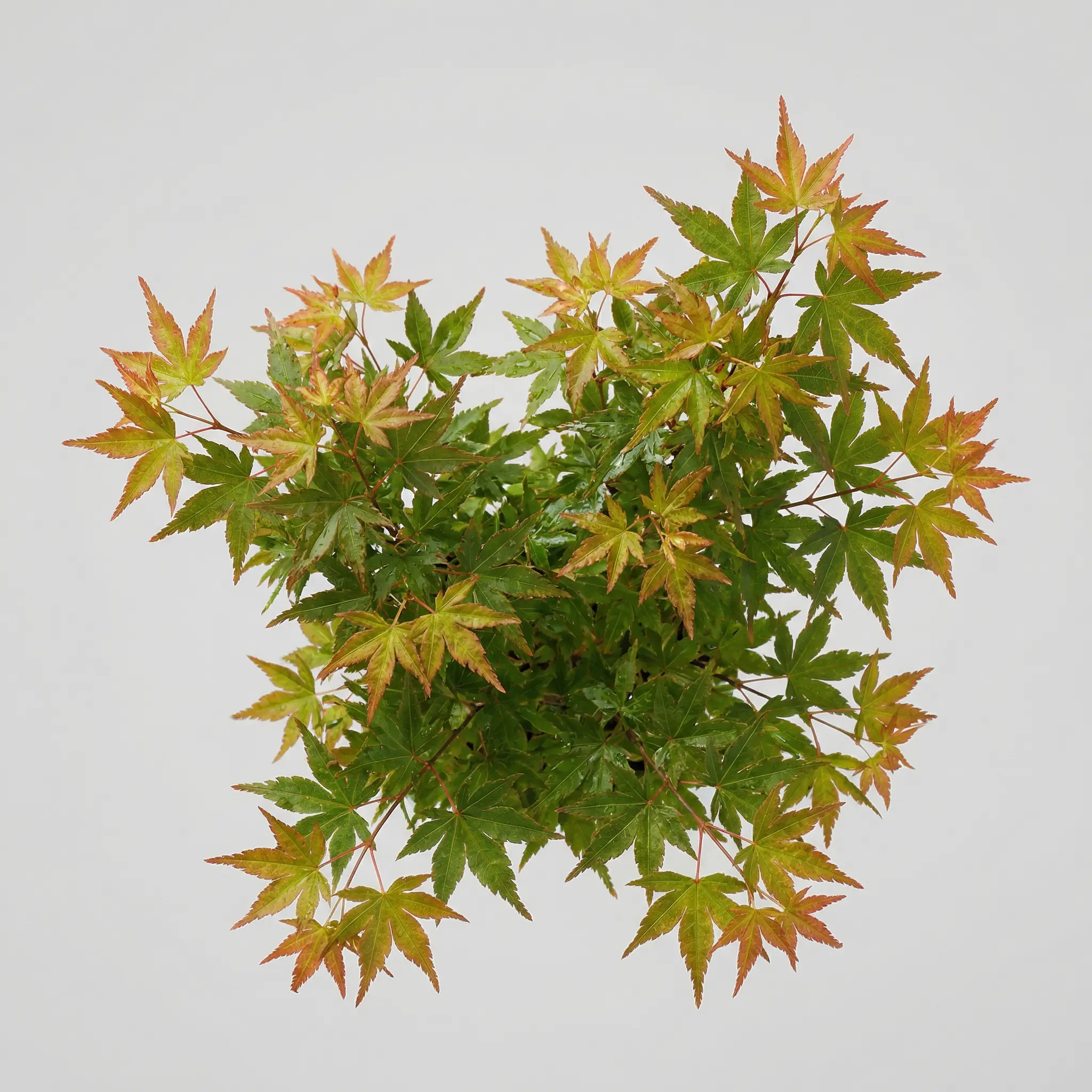
New foliage emerges green with pink and red margins, more intense at the top of new shoots. In summer, leaves turn light green, deepening with sun exposure. Autumn brings deep red tones. Growth pace is medium with a compact, upright habit — more vigorous than Shishigashira (a similar cultivar) but still naturally contained. Bark is smooth with visible internode separation, transitioning from light green to grey as it matures. In open ground, ‘Kotohime’ reaches 1 to 2 metres.
For bonsai purposes, the combination of controllable canopy volume, natural compactness, and reliable medium growth makes ‘Kotohime’ one of the most versatile dwarf cultivars available — equally suited for shohin, mame, and group plantings. Air-layered ‘Kotohime’ with the root base already formed are available as a separate listing.
Cultivation note: Unlike most dwarf cultivars, ‘Kotohime’ has enough vigour to build structure at a reasonable pace — don’t treat it as fragile. It responds well to regular pruning and can be pushed with balanced fertilisation during the growing season. The visible internode separation on the bark is a distinctive trait worth highlighting in the design. For forest or multi-trunk compositions, this cultivar is one of the best choices among Japanese maples.
- Dwarf Japanese maple with very short internodes and small leaves — allows canopy control like a dense conifer, including pads and negative spaces.
- Medium growth pace with compact upright habit, well suited for shohin, mame, and forest compositions.
- Seasonal colour beyond the structure: new shoots flush green edged with pink and red, then the whole canopy turns deep red in autumn.
Why buy from Treevaset
not garden-centre stock.
shipped EU-wide — no customs, no import risk.
cutting-propagated to preserve the cultivar.
Compare Japanese maple cultivars
| Cultivar | Leaf size | Internodes | Growth habit | Spring colour | Bark | Adult size |
|---|---|---|---|---|---|---|
| Orihime | Very small | Short | Dwarf, compact | Light green, bronze margins | Smooth | 1–2m |
| Kotohime | Small | Very short | Dwarf, compact | Green, pink-red margins | Smooth | 1–2m |
| Sei Hime | Small | Short | Dwarf, compact | Yellow-green | Smooth | 1–2m |
| Seigen | Medium | Medium | Semi-dwarf, upright | Red-purple | Smooth | 1–2m |
| Beni Chidori | Medium | Medium | Semi-dwarf, upright | Pink to orange | Smooth | 2–4m |
| Beni Tsukasa | Medium | Medium | Semi-dwarf, upright | Light red, pink tones | Smooth | 2–4m |
| Katsura | Medium | Medium | Upright | Orange to yellow | Smooth | 1–2m |
| Ukon | Medium | Medium | Upright, fast | Emerald green, yellow accents | Smooth | 2–4m |
| Deshojo | Large | Long | Upright, vigorous | Deep red, pink tones | Smooth | 2–4m |
| Allen’s Gold | Large | Long | Upright, vigorous | Golden-chartreuse, pink-red margins | Rough | 3–5m |
| Arakawa | Large | Long | Upright, vigorous | Light green, red margins | Rough (corky) | 3–5m |
Feedback from growers
★★★★★ 4.9/5 · 100+ verified reviews on eBay
Super personal service and wonderful rare Acer varieties. When the courier had delivery problems, Luca was easy to reach and immediately arranged a replacement. Absolute recommendation!
Acer Palmatum CultivarsExtremely happy with my Acer palmatum — it's exactly what I wanted. Serious, kind and competent, with an excellent quality-price ratio. I'll definitely buy again.
Young Pre-BonsaiVery well packaged, a beautiful larch, exactly as described. Clear recommendation.
Outdoor BonsaiEverything perfect — the little plant arrived well packed and healthy, and I used it right away for a root graft.
Young Pre-BonsaiA lovely larch with a beautiful trunk base. Perfect packaging and fast shipping.
Young Pre-Bonsai