EU delivery included from €70

Acer palmatum ‘Seigen’ – Japanese Maple for Bonsai (Young Pre-Bonsai)

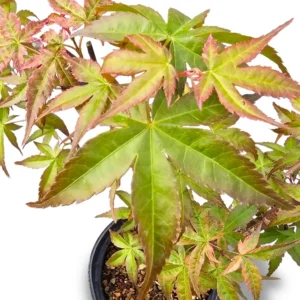
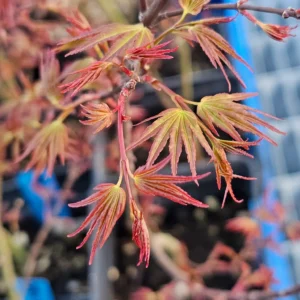
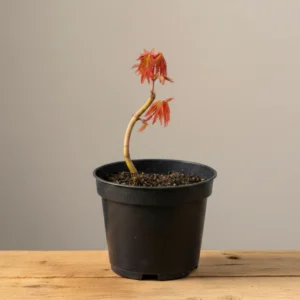
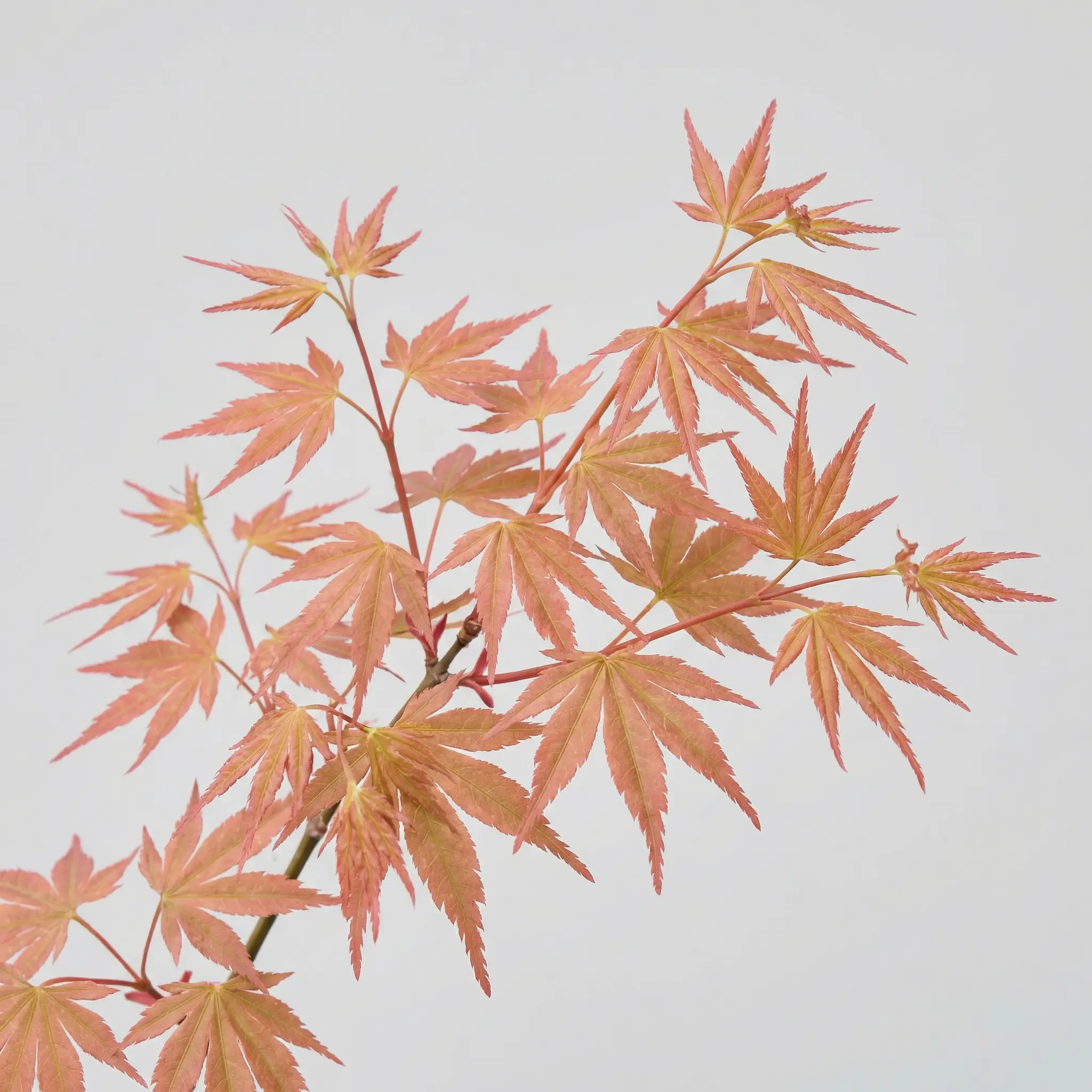
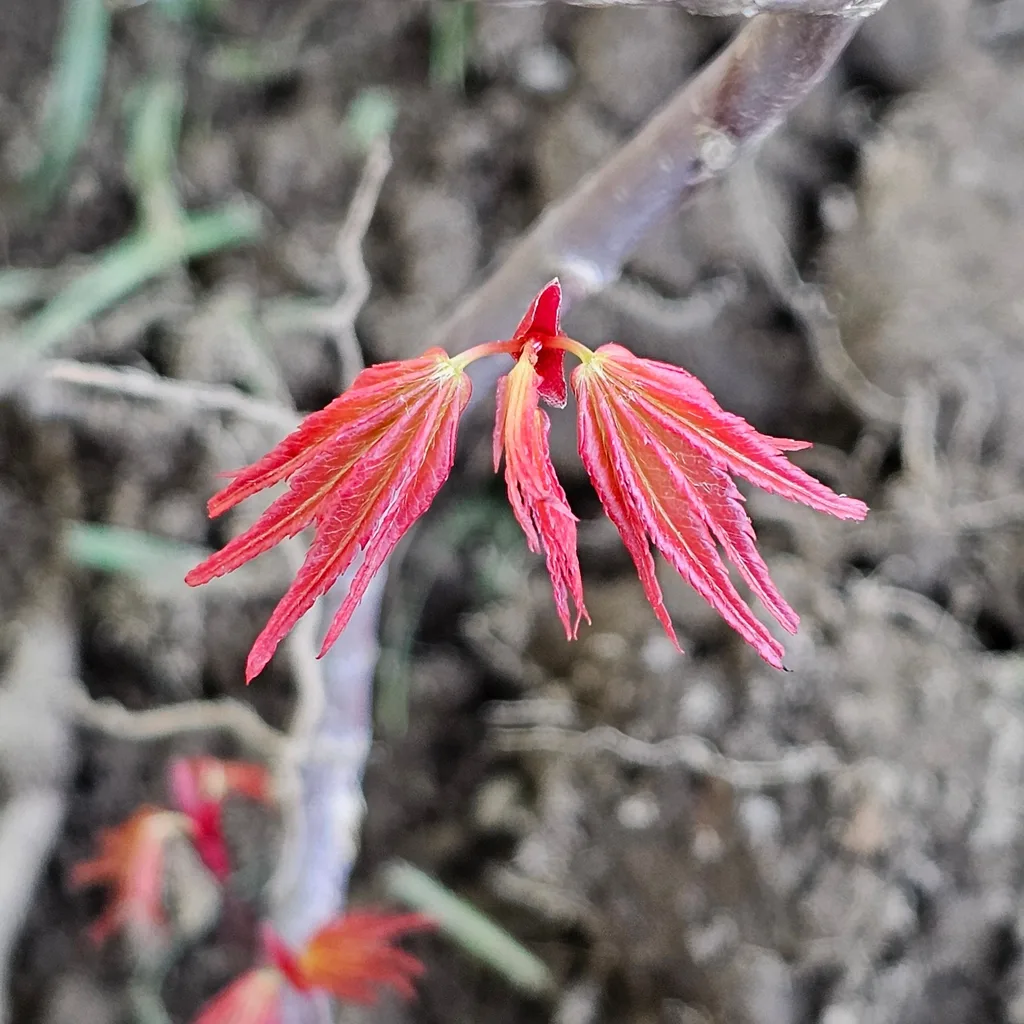
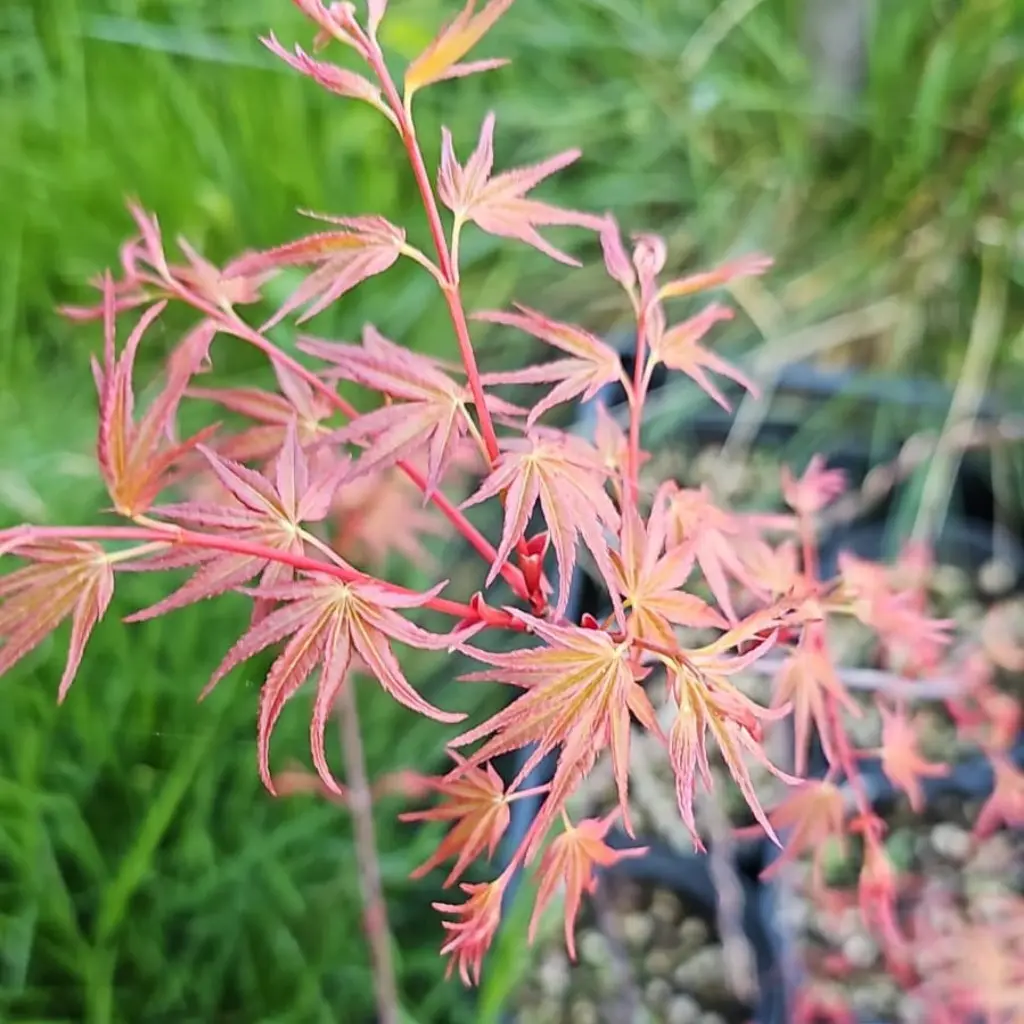
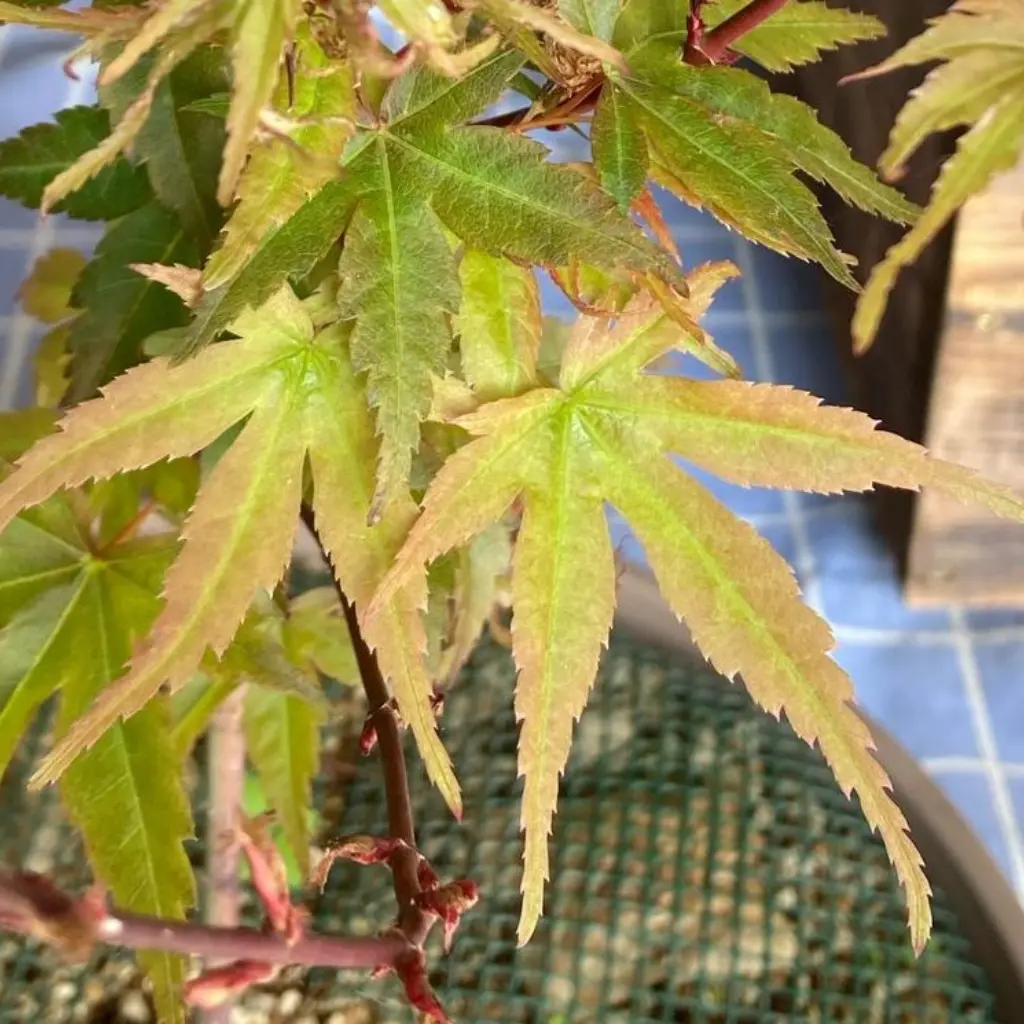
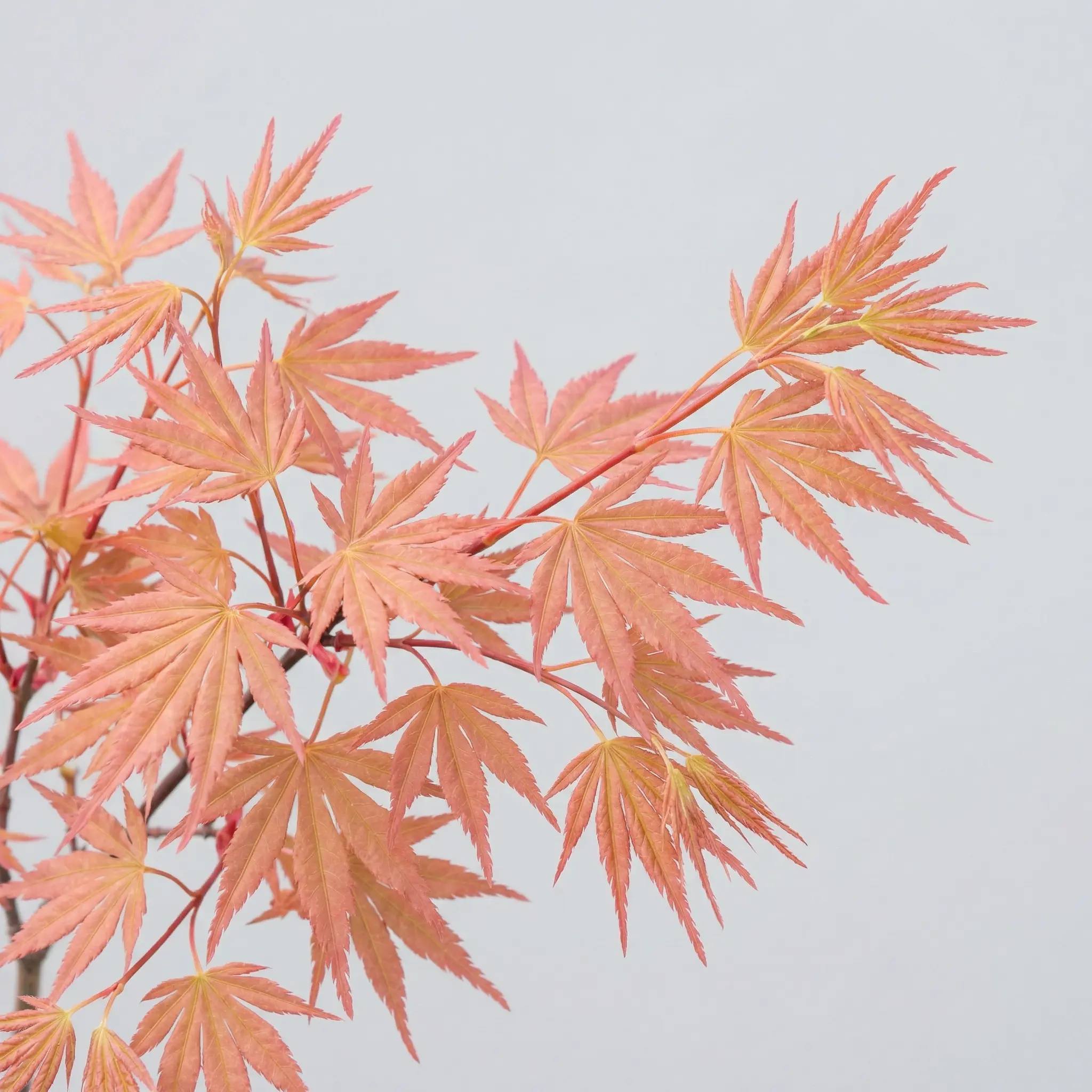
Seigen is one of the rarest Acer palmatum cultivars, prized for its extraordinary light red to purple spring flush that few other Japanese maples can match. Smooth bark with distinctive pink tones adds winter interest. Compact adult size (1–2m) and semi-dwarf habit make it ideal for shohin bonsai. Non-grafted, cutting-propagated plants to preserve the true characteristics of the cultivar.

35 

Out of stock

Gone for now: batches are small.

Leave your email and you’ll be first to know when the next batch is ready.

Before you buy

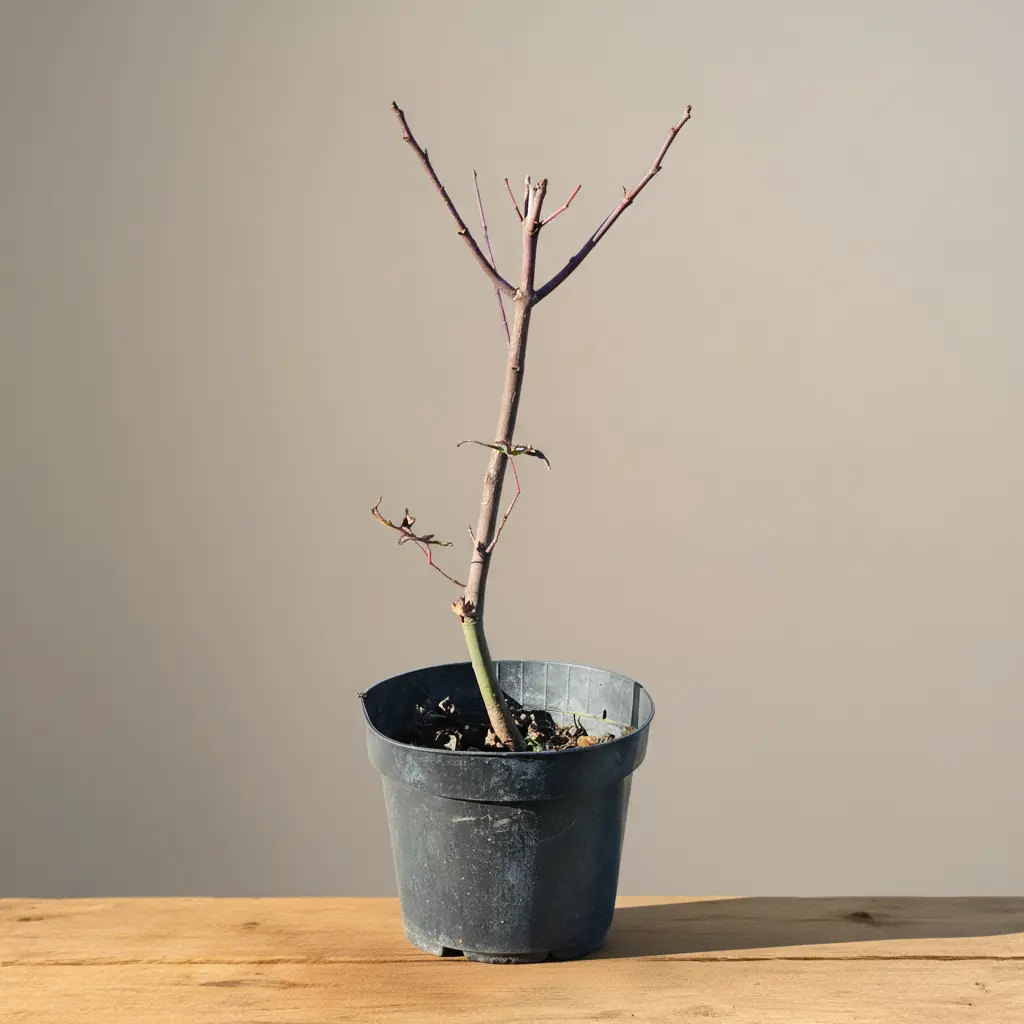
Each tree is unique and photos are for reference. You can request current photos of available trees before buying.

Care details

Sun

Full morning sun with light afternoon shade to protect foliage during peak heat.

Water

Keep soil evenly moist but well-drained.

Feed

Regular feeding during spring and early summer to support balanced growth and colour.

Repot

Every 2–3 years in early spring, before bud break.

Soil

Slightly acidic to neutral.

Prune

Prune after shoot hardening to control internodes and maintain structure.

Plan its future

Every tree has more than one path. Book a 1-to-1 consultation with Luca to map out styling and next steps for this exact material, from €29.

Complete your collection

You may also like…

Acer palmatum ‘Seigen’ — Characteristics & Bonsai Use

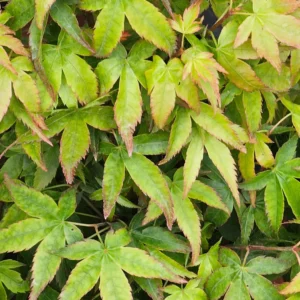
‘Seigen’ is one of the rarest and most sought-after Acer palmatum cultivars for bonsai, displaying a spring colour that few other varieties can match. New foliage emerges in a very intense, light red that borders on purple, then gradually turns light green as the season progresses. In autumn, leaves develop strong red to orange tones before dropping. The colour intensity in spring alone makes this cultivar a standout in any collection.

The cultivar has a semi-dwarf, upright growth habit with medium vigour and medium-length internodes. Leaf size is moderate, well suited for bonsai proportions. Bark is smooth throughout development, showing light green with distinctive red and pinkish tones — an unusual trait that adds visual interest even during the leafless season. In open ground, ‘Seigen’ reaches just 1 to 2 metres, keeping proportions naturally compact.

For bonsai purposes, the combination of moderate growth, manageable internodes, and extraordinary spring colour makes ‘Seigen’ particularly well suited for shohin and display-oriented compositions where colour is the primary design feature.

Cultivation note: ‘Seigen’ develops its most intense spring purple-red with good morning light exposure. The bark’s pinkish tones are more pronounced on sun-exposed branches — position the tree to take advantage of this. Protect from strong afternoon sun in summer to avoid leaf scorch on the delicate spring foliage. This cultivar pairs exceptionally well with Beni Chidori and Orihime in a display collection, offering a distinctly different colour register.

Why buy from Treevaset

Grown specifically for bonsai

not garden-centre stock.

European distribution, limited batches

shipped EU-wide — no customs, no import risk.

Support from experienced growers

Luca answers personally.

Non-grafted, true-to-type plants

cutting-propagated to preserve the cultivar.

Compare Japanese maple cultivars

CultivarLeaf sizeInternodesGrowth habitSpring colourBarkAdult sizeBest for
OrihimeVery smallShortDwarf, compactLight green, bronze marginsSmooth1–2mShohin, mame
KotohimeSmallVery shortDwarf, compactGreen, pink-red marginsSmooth1–2mShohin, mame, forest
Sei HimeSmallShortDwarf, compactYellow-greenSmooth1–2mShohin, literati
SeigenMediumMediumSemi-dwarf, uprightRed-purpleSmooth1–2mShohin, display
Beni ChidoriMediumMediumSemi-dwarf, uprightPink to orangeSmooth2–4mTraining, medium bonsai
Beni TsukasaMediumMediumSemi-dwarf, uprightLight red, pink tonesSmooth2–4mTraining, medium bonsai
KatsuraMediumMediumUprightOrange to yellowSmooth1–2mShohin, medium bonsai
UkonMediumMediumUpright, fastEmerald green, yellow accentsSmooth2–4mTrunk building, informal upright
DeshojoLargeLongUpright, vigorousDeep red, pink tonesSmooth2–4mRefinement, display
Allen’s GoldLargeLongUpright, vigorousGolden-chartreuse, pink-red marginsRough3–5mTrunk building, informal upright
ArakawaLargeLongUpright, vigorousLight green, red marginsRough (corky)3–5mTrunk building, informal upright

Feedback from growers

Americo Italian ★★★★★Translated from Italian

This bonsai had quite a story. It arrived in poor condition, not due to the seller but because the courier took longer than expected. Treevaset was extremely helpful and immediately available to resolve the situation. Highly recommended. I’ve purchased from them multiple times and I will definitely do so again.

Young Pre-Bonsai
Patfow German ★★★★★Translated from German

Friendly communication and fast delivery. At first, it wasn’t clear to me that the seller ships from Italy, which made me hesitant when ordering plants. However, the plants arrived in excellent condition thanks to very careful packaging.

Young Pre-Bonsai
Otreblaidur Italian ★★★★★Translated from Italian

The courier was delayed, but the plant arrived healthy thanks to excellent packaging. A very promising larch with good movement and already well-developed foliage. It has a subtle literati-style character that can be further enhanced. It deserves a proper, well-chosen pot. Very satisfied.

Young Pre-Bonsai
Jesus Spanish ★★★★★Original review

Trustworthy and honest seller. Well wrapped. Well received item. Recommended 100%. Ringraziare tanti.

Bonsai
Terabosa German (Austria) ★★★★★Translated from German

Very good quality, securely packaged and fast delivery.

Young Pre-Bonsai
Jkiod French ★★★★★Translated from French

Arrived in excellent condition, exactly as shown in the photos. Fast delivery. Impeccable.

Bonsai

FAQs

Is Acer palmatum Seigen good for bonsai?
Seigen is excellent for bonsai. Its semi-dwarf habit, medium internodes and one of the most intense red-purple spring flushes among all Japanese maples make it a standout cultivar. In my experience, the balanced growth profile sits well between the compact dwarfs and the vigorous growers — manageable but with enough energy to build structure. It is particularly strong for shohin and display-quality bonsai.
These three cultivars share a semi-dwarf to dwarf profile but differ significantly in colour, vigour and development pace. Seigen has the most intense spring colour (red-purple) and is the rarest. Beni Chidori offers pink-to-orange spring tones with more vigour. Ori Hime is the smallest and slowest with miniaturised leaves. We have written a detailed comparison: Seigen vs Beni Chidori vs Orihime for bonsai.
Seigen is difficult to propagate, which is part of why it remains rare. Our Seigen are cutting-propagated from our own mother plants — not grafted and not grown from seed — so each plant carries the cultivar’s characteristics: intense red-purple spring flush, semi-dwarf habit and distinctive pink-red bark tones on younger branches.
The red-purple spring flush typically peaks in the first 2–3 weeks after bud break, depending on light exposure and temperature. Good morning light intensifies the colour. As the season progresses, leaves transition to light green for summer, then develop red to orange autumn tones. The colour cycle repeats each year with increasing intensity as the tree matures.
No. Seigen is a temperate outdoor species that needs cold winter dormancy (below 10°C for at least 6 weeks) to maintain health and vigour. Without it, spring colour weakens and growth becomes irregular. Keep outdoors year-round with frost protection below -10°C.

Related products